
Last updated November 15, 2026
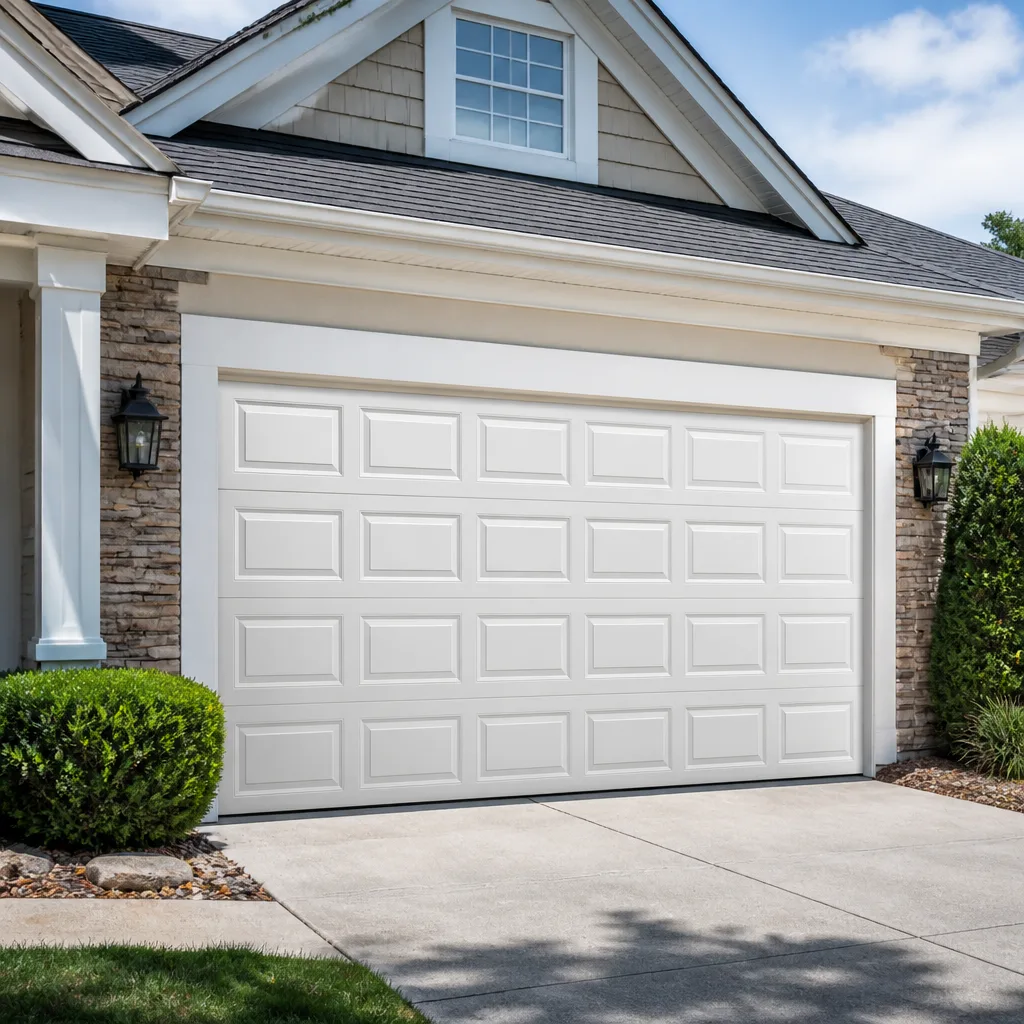 Raised-panel steel
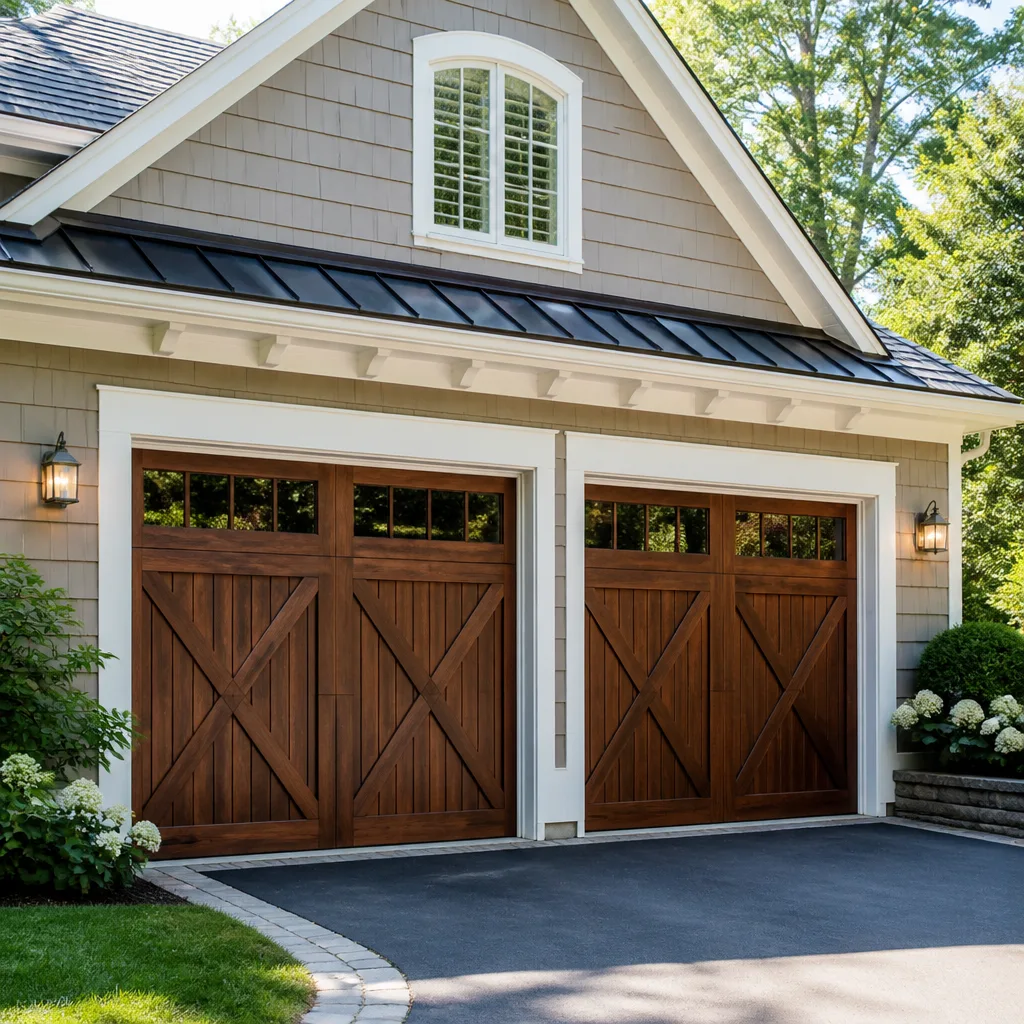 Carriage house
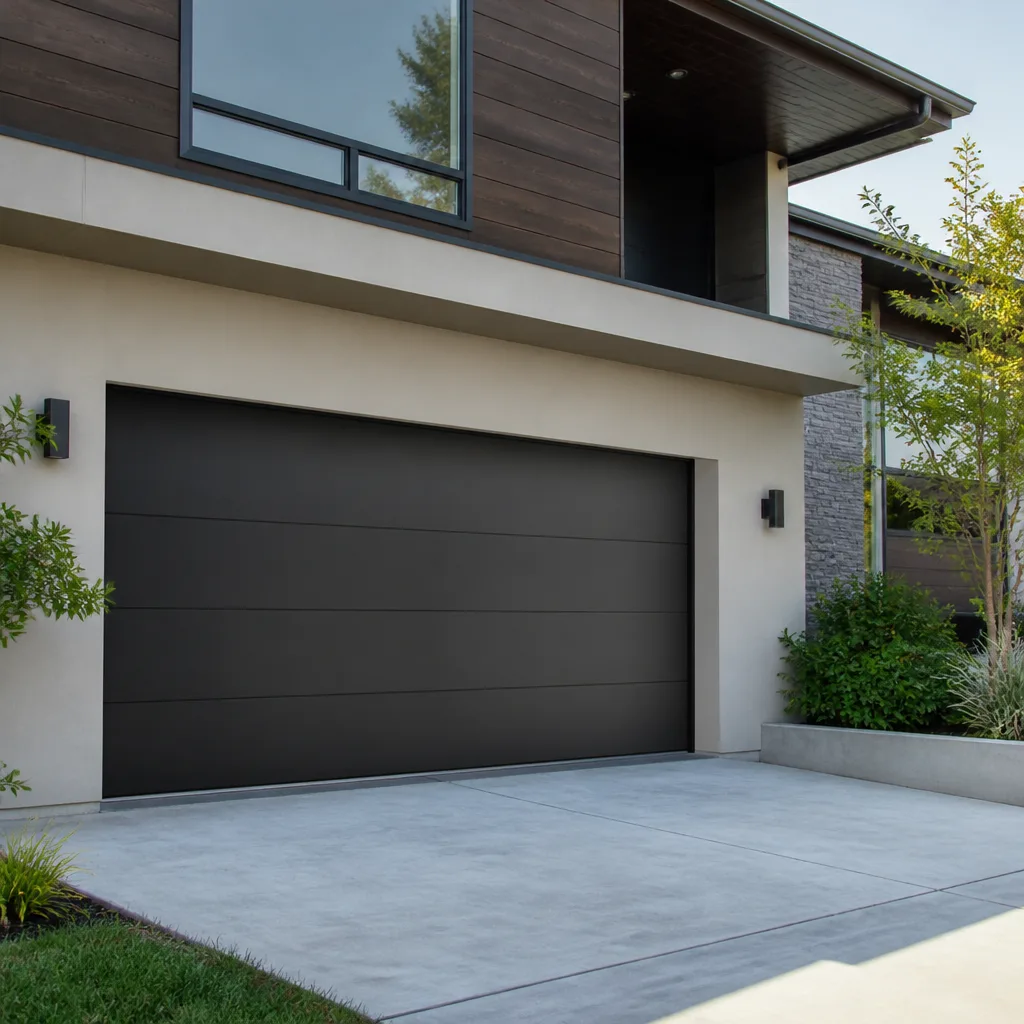 Modern flush
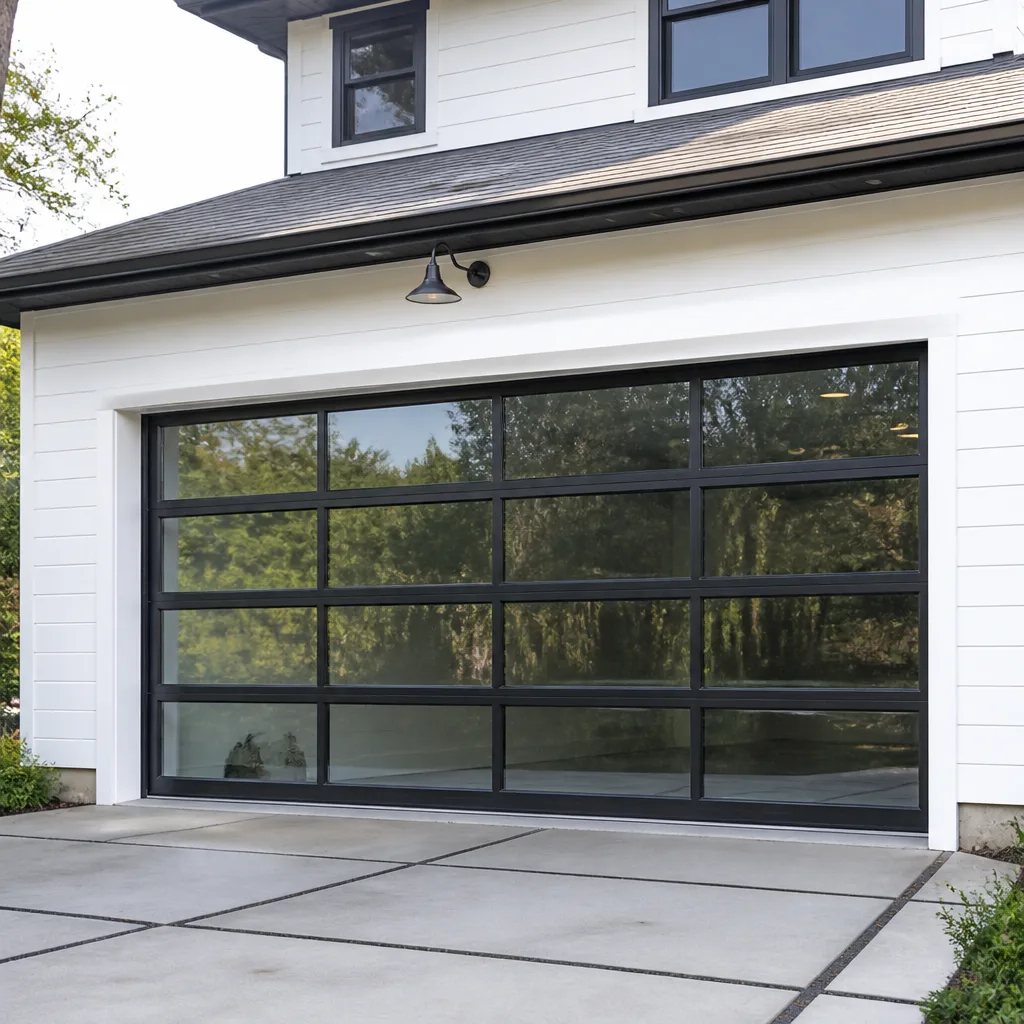 Full-view glass
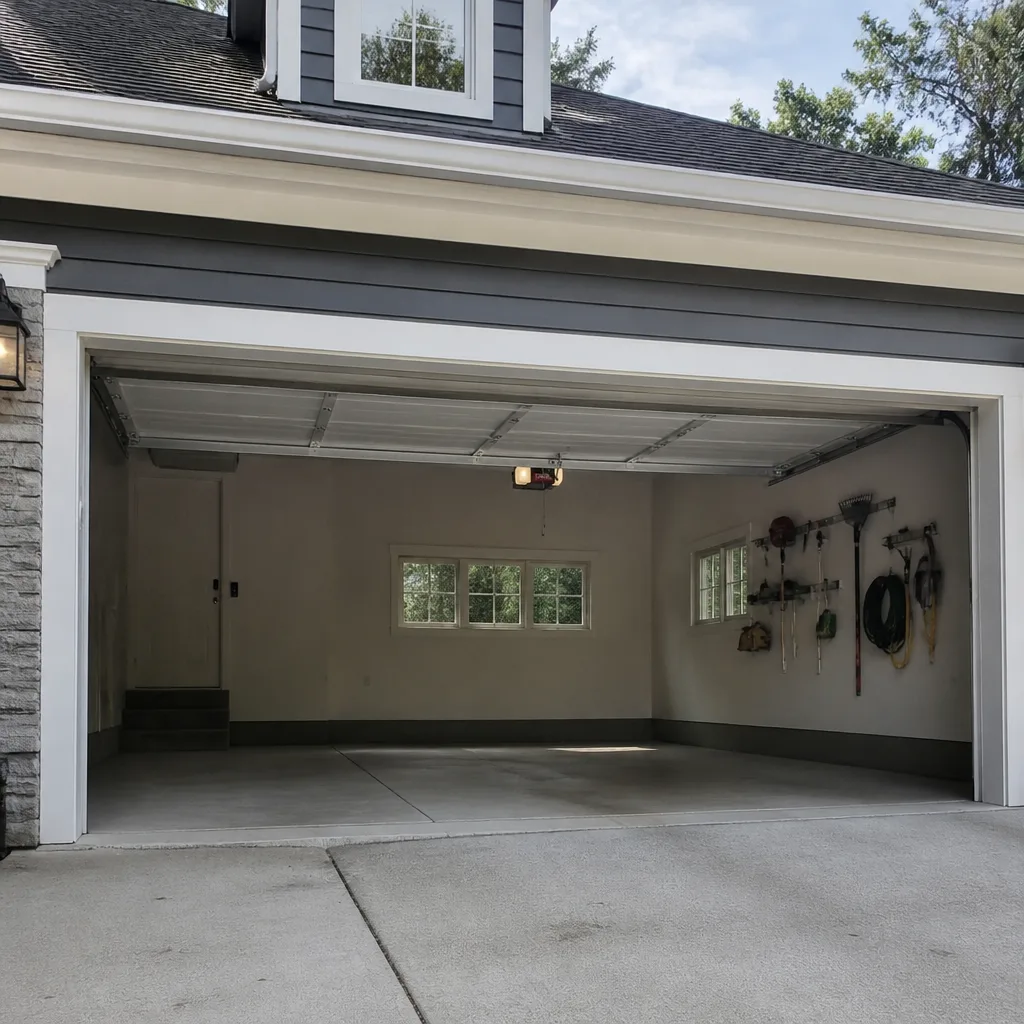 LiftMaster openers
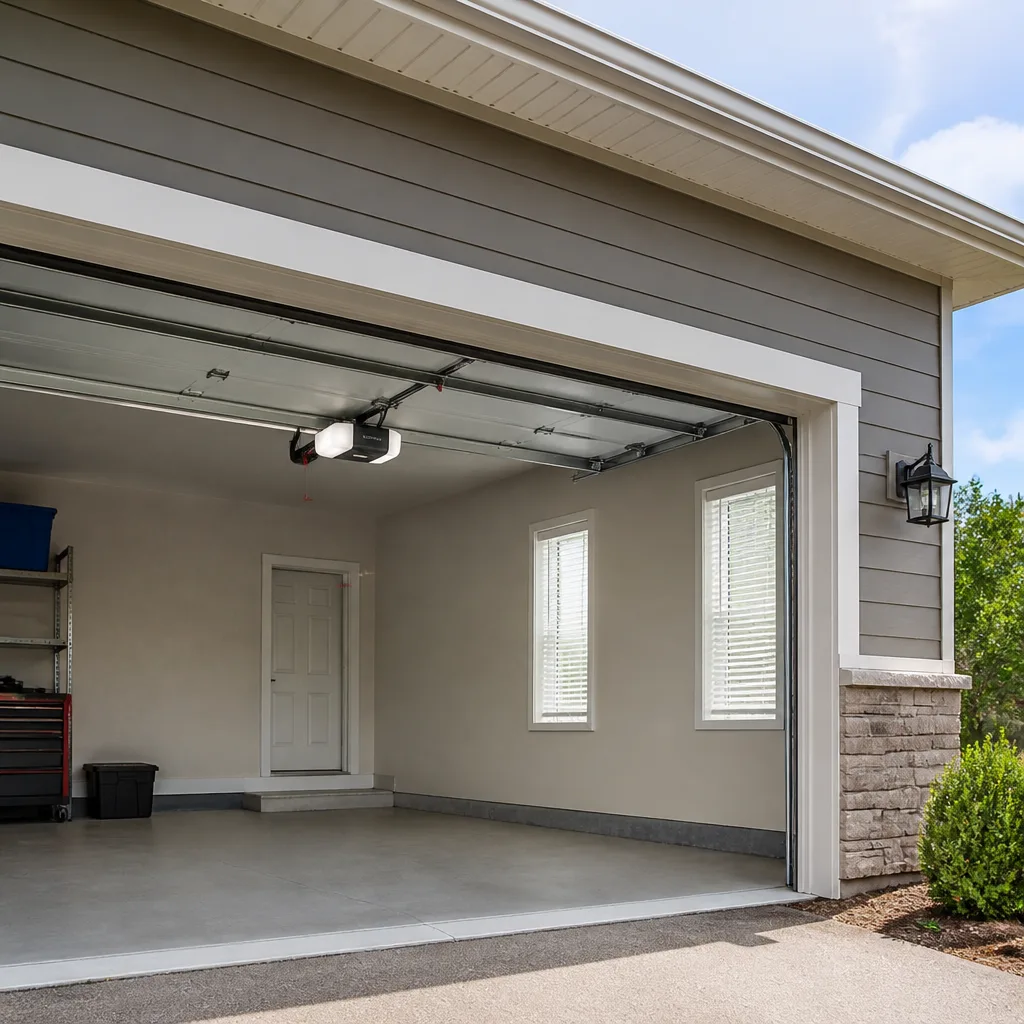 Chamberlain openers
Full 25-point door and opener safety check with every visit - springs, cables, rollers, tracks, and your LiftMaster or Chamberlain opener included
You get a price before we start. It does not change when the pro arrives.
Get your free estimateDIY vs Professional Garage Door: The Indianapolis Homeowner’s Decision Guide
Most DIY-versus-pro arguments focus on skill, and that’s the wrong lens. A torsion spring under load stores enough energy to break bones and cause serious hand injuries in a fraction of a second, and no amount of practice makes that safer to stand in front of. That’s physics, not a scare tactic. Some garage door jobs in Indianapolis are genuinely reasonable for a careful homeowner with a stepladder. Others carry a level of injury risk that experience doesn’t shrink. This guide separates the two, task by task, so you can decide with a clear head instead of a sales pitch.
Quick Answer
In Indianapolis, weatherstripping, lubrication, sensor alignment, and visual inspections are reasonable DIY work for a careful homeowner. Anything involving torsion or extension springs, cables, bottom brackets, or the header bracket carries real injury risk and belongs with a trained technician. The cost gap between DIY and professional narrows more than most people expect once you price correct parts and factor in warranty terms on openers from LiftMaster, Chamberlain, and Genie.
Styles & brands we work with
- Raised-panel steel
- Carriage house
- Modern flush
- Full-view glass
- LiftMaster openers
- Chamberlain openers
Table of Contents
- The Task-by-Task Breakdown: What’s Safe and What Isn’t
- The Hidden Cost of DIY in Indianapolis
- The February Freeze: When DIY Is Most Tempting and Most Dangerous
- What a Professional Does in the First Ten Minutes
- When DIY Voids Manufacturer Warranties on Openers
- How Indianapolis Housing Shapes Garage Door Wear
- How to Decide, Task by Task: A Simple Decision Process
The Task-by-Task Breakdown: What’s Safe and What Isn’t
Garage door systems fail in a handful of predictable places, and the repair difficulty varies wildly from part to part. Sorting tasks by injury risk rather than by how hard they look is the only way to make a sound DIY call. Here’s how we’d group them.
Reasonable for a confident homeowner:
- Weatherstripping replacement along the bottom of the door, where it flattens and lets in drafts and water.
- Lubrication of rollers, hinges, and tracks with a proper garage door lubricant (not general household oil).
- Safety sensor alignment on the two small eyes near the floor at the door opening.
- Visual inspection of the door while it cycles, checking for wobble, noise, or a door that looks crooked.
- Track cleaning of debris and loose grit (not forcing a bent track back into alignment).
Genuine injury risk, professional territory:
- Torsion springs mounted on a shaft above the door. These hold the door’s weight under extreme tension.
- Extension springs that run along the horizontal tracks and stretch under load.
- Cables that spool on drums at the bottom corners and stay under tension whenever the door is down.
- Bottom brackets at the corners, where the cable attaches.
- Header bracket and spring anchor plate work that requires releasing tension in a controlled way.
- Track replacement or re-alignment where a bent track must be corrected, not forced.
The key distinction: anything under tension fails suddenly and violently. Anything not under tension (weatherstripping, sensors, lubrication) can be handled slowly and safely. If you can’t tell whether a part is under load, treat it as if it is.
The Hidden Cost of DIY in Indianapolis
The savings from DIY narrow faster than most homeowners expect once you price the correct parts. A single torsion spring or a matched pair, a set of rollers, and a proper lubricant bought individually at a big-box store often costs a good chunk of what a professional repair would charge for the whole job. Trade pricing and parts sourcing at the professional level change the math.
Where DIY actually saves money is on small jobs: weatherstripping, sensor alignment, and lubrication. Those are low-cost, low-risk tasks where the parts are easy to source at a hardware store and the job is short. Where DIY stops making sense is on anything that involves spring or cable hardware, because:
- Wrong parts. Springs are matched to the door’s weight by wire gauge, inside diameter, and length. A spring off the shelf is almost never the right one, and a mismatched spring wears out fast or fails unsafe.
- Re-work. A repair done twice costs more than the original professional quote, and it happens often on spring jobs.
- Warranty exposure. Openers and doors carry manufacturer warranties that can be affected when a repair is done incorrectly, and that risk is invisible to a homeowner pricing parts only.
- Time and tools. Winding bars, a proper clamp, and a torque-rated drill aren’t in most garages.
The honest equation is: DIY wins on low-risk tasks and loses on high-risk ones. A homeowner in Indianapolis who keeps the DIY work to weatherstripping and lubrication and calls in a pro for springs and cables usually spends less overall than one who tries to force the hard jobs. The written estimate sets the final price, and it’s agreed before any work starts.
The February Freeze: When DIY Is Most Tempting and Most Dangerous
The most common scenario we hear about in Indianapolis happens in February: a car is trapped inside the garage, a door won’t open, and the homeowner is frustrated enough to try something. That is precisely the moment when DIY risk peaks. For a broader view of the repair path, see our guide to garage door repair.
Cold weather is hard on small mechanical parts. Lubricant thickens, metal contracts, and a door that was fine in October can hesitate on a February morning. The failure modes that show up most in an Indianapolis cold snap are:
- A spring that was near end of life and finally let go. Cold makes the spring metal less forgiving.
- A frozen weather seal bonded to the floor, holding the door at the bottom while the opener tries to lift it.
- Contracted track and rollers that bind briefly until the door warms up.
- A decoupling opener carriage where a chain drive or a belt drive has slipped off the emergency release.
What most homeowners shouldn’t do in this situation is force the door up, try to disconnect the spring with a homemade tool, or pry the bottom seal loose with the opener engaged. All three risk injury or worse. The safe call in a February freeze is to release the opener with the red emergency pull handle (with the door in the down position and no one in its path) to get the car out, then leave the spring and cable work alone.
We answer 24/7. A call outside dispatch hours is booked into the next opening, Sunday through Friday, 7am to 7pm. Fast dispatch from 7am to 7pm means a technician can typically be out the same day when you call during dispatch hours.
What a Professional Does in the First Ten Minutes
Experienced diagnostic time is the real value in a garage door service call, and it’s a big part of what makes a professional repair stick. In the first ten minutes, a trained technician is already doing work a homeowner can’t easily replicate from a video.
That first ten minutes usually looks like this:
- Listen and watch the door cycle. Sound tells a lot. A grinding roller sounds different from a failing bearing, which sounds different from a spring about to fail.
- Check the balance of the door manually with the opener disengaged, so the door should hold position halfway up. A door that slams down or creeps up has a spring or tension problem.
- Inspect the spring count and wire gauge against the door’s weight to confirm a replacement will be the right spec, not a guess.
- Test the safety reverse and sensor alignment to catch a code and safety issue.
- Check the opener’s drive hardware (belt, chain, screw) and motor status if the door operates but the opener is weak or loud.
- Look at the header bracket and track alignment where the door hangs, often the source of repeated problems.
None of that requires a specific tool the homeowner lacks. It requires hundreds of repetitions of the same diagnosis on similar systems, which is where brand familiarity pays off. We work on LiftMaster and Chamberlain openers regularly and know their common failure points by symptom, so diagnosis happens faster and the repair lands on the actual cause rather than a guess. For openers specifically, our garage door opener repair page covers the diagnostic path in more depth.
When DIY Voids Manufacturer Warranties on Openers
Opener warranties and door warranties are affected differently by DIY, and the opener side is where homeowners get surprised. Most opener warranties cover defects in materials and workmanship, but they include language about improper installation or repair. A homeowner who disassembles a LiftMaster or Chamberlain opener and installs a non-OEM part, or wires a new opener outside the manufacturer’s instructions, risks a warranty claim denial down the road.
Specifically, watch for three warranty touchpoints on opener work:
- Electrical connection. A hardwired opener (as opposed to plug-in) needs to be connected per the manufacturer’s instructions. Improper connection is a warranty exclusion and a genuine electrical safety issue.
- OEM versus aftermarket parts. Gear and sprocket assemblies, logic boards, and safety sensors are all covered areas where a non-OEM part can affect a warranty claim.
- Installation of a new opener. Smart openers from LiftMaster, Chamberlain, and Genie ship with specific mounting and rail-assembly instructions, and the warranty is generally conditioned on following them.
If the opener is under warranty, keeping the repair inside the manufacturer’s spec is a real cost saver, and it’s the strongest argument for calling in a technician rather than opening the housing yourself. Brand familiarity matters here: a technician who works on LiftMaster and Chamberlain gear week in and week out knows the correct part numbers and installation procedures and won’t guess. Before you touch the opener, weigh that against the savings.
How Indianapolis Housing Shapes Garage Door Wear
Older housing stock and specific neighborhood patterns change what fails and when in Indianapolis. Attached garages are common in most of the city’s older neighborhoods, which means a door that fails is a door a car is trapped behind. Detached garages are more common in some areas, and those tend to have different wear patterns from a heavier separate structure.
A few Indianapolis-specific wear factors worth knowing:
- Winter freeze-thaw cycles. The freeze-thaw swings that Indianapolis sees in a normal winter are hard on bottom seals, hinges, and rollers. Weatherstripping on a door that faces an alley or a side street needs replacing more often than the manufacturer suggests.
- Summer heat and humidity. Long humid summers stress wood door panels and can accelerate paint failure on older doors.
- Two-car versus one. Many older Indianapolis homes have a single-car garage with a narrower door, and narrow doors see higher per-inch spring tension than wider ones.
- Attached garage heat loss. An attached garage with a heated wall on the far side of the door changes how much insulation matters on a door replacement.
None of that changes the DIY-versus-pro call directly, but it does affect which repairs come up first. If you’re evaluating the whole system, our overview of Ironwood Garage Door Repair lays out what full-service garage door work covers, and our general Indianapolis page is the jumping-off point. If a door replacement is on the table rather than a repair, the garage door installation path is measured and scheduled rather than same-day, and the free measure comes first.
How to Decide, Task by Task: A Simple Decision Process
The right DIY-versus-pro choice is easier if you run the task through a short decision flow rather than reflexively trying to save. Here’s the process we’d walk a homeowner through over the phone.
- Is the part under tension? If yes, professional. Springs, cables, bottom brackets, and header anchors are all tension work.
- Does it involve electricity at the opener? Hardwired connection or logic board work belongs with a pro. Plug-in parts swap is reasonable if the opener is out of warranty.
- Does the job involve lifting the door off its tracks or adjusting the header bracket? Those are the jobs where a door can fall or swing free, so professional.
- Is the task weatherstripping, lubrication, sensor alignment, or cleaning? Reasonable for a careful homeowner with basic hand tools.
- Is the door brand new and under installation warranty? Have the installing company handle the first adjustment.
- Do you have a written estimate available? A free estimate removes most of the uncertainty. Compare the number against the parts cost plus your time plus re-work risk.
When the answer lands on “professional,” ask for the written price up front, and confirm what the price includes. The written quote is the price, and we agree on it before any work starts.
For our part, garage doors are all we do. We work on LiftMaster, Chamberlain, Genie, Clopay, Amarr, Wayne Dalton, Craftsman, and Raynor equipment, and that single-trade focus is why we can diagnose faster than a generalist and source the correct part without guesswork. Our technicians have up to 9 years of experience, and every job starts with a clear picture of what’s wrong before we pick up a wrench.
Common Mistakes to Avoid
- Trying to loosen or replace a torsion spring yourself. The stored tension in a torsion spring is dangerous in a way that a homeowner can’t judge by looking at it. Leave it to a trained technician with the correct winding bars.
- Forcing a door that won’t open in a February freeze. Prying the door up risks cracking a panel or breaking the opener carriage. Release the opener with the red handle to get the car out, then call.
- Pulling a bent track back into place by hand. A track that’s been bent usually needs replacement, and forcing it back can make the door bind harder or come off its rollers.
- Using household oil on the tracks. General oil attracts grit and gums up. Use a proper garage door lubricant, and never grease the tracks themselves.
- Opening up a LiftMaster or Chamberlain opener under warranty. Self-repair on a covered opener can affect the warranty claim, and it’s a genuine electrical safety issue.
- Ignoring a slow, loud door for months. The grinding roller or the failing spring on a February door was usually noisy in October. Small repairs are cheaper and safer than the sudden failure.
- Buying a spring off the shelf without matching the door. Springs are matched to door weight by wire gauge, inside diameter, and length. A grab-and-go spring wears out faster and can fail unsafe.
See the difference
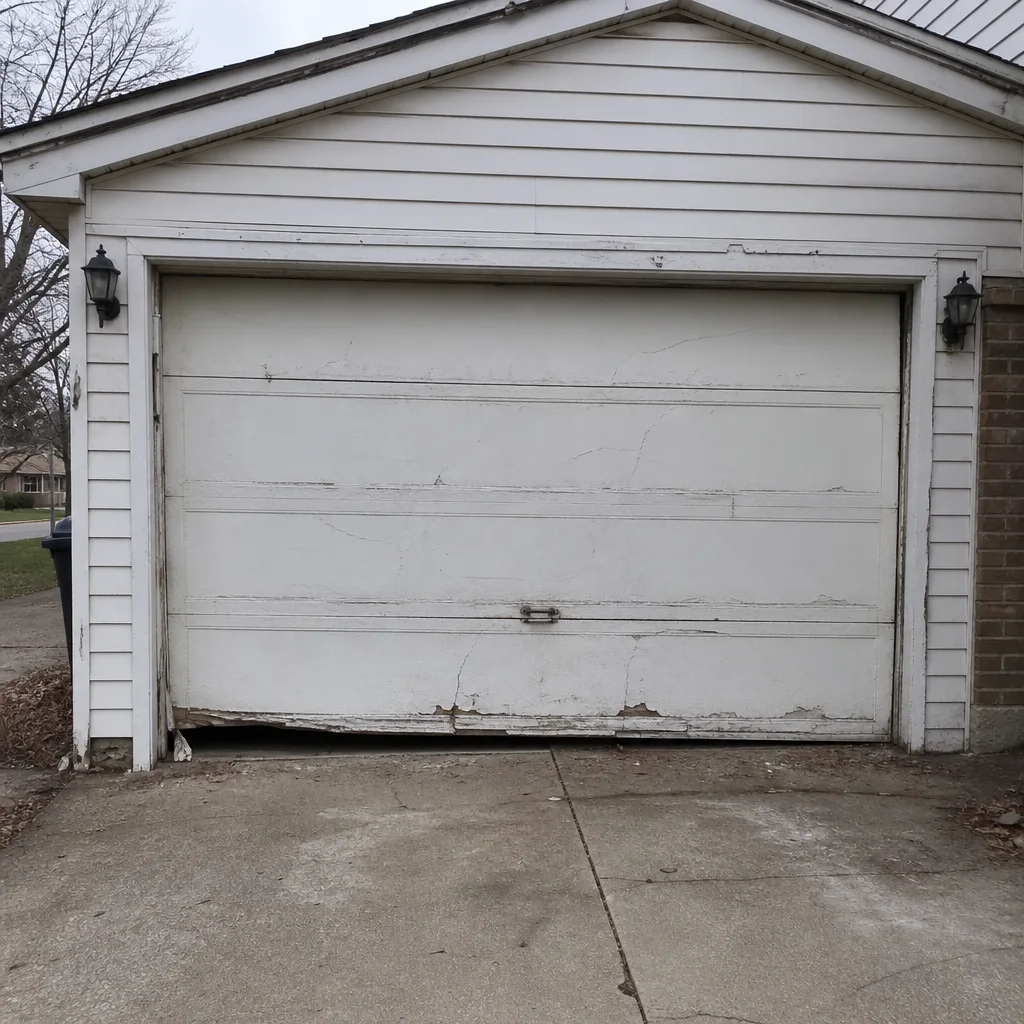 Before
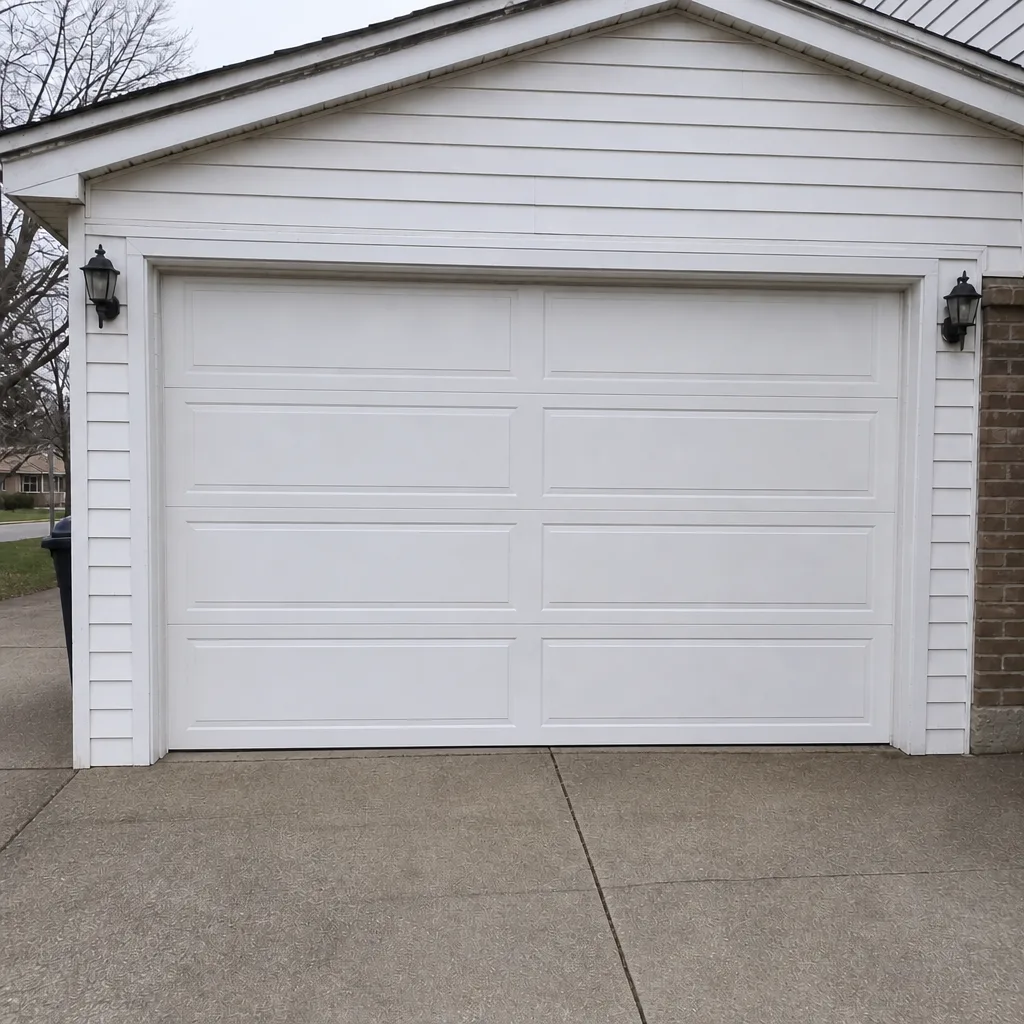 After
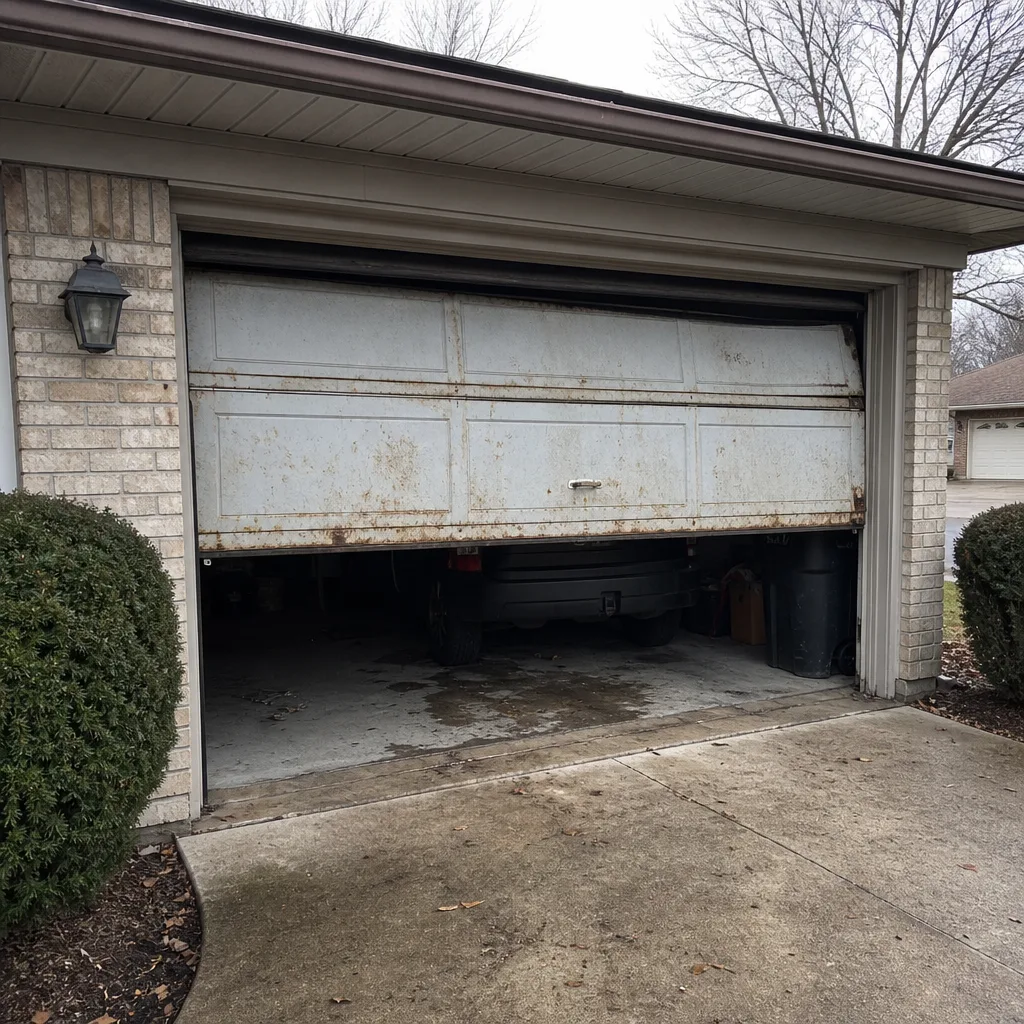 Before
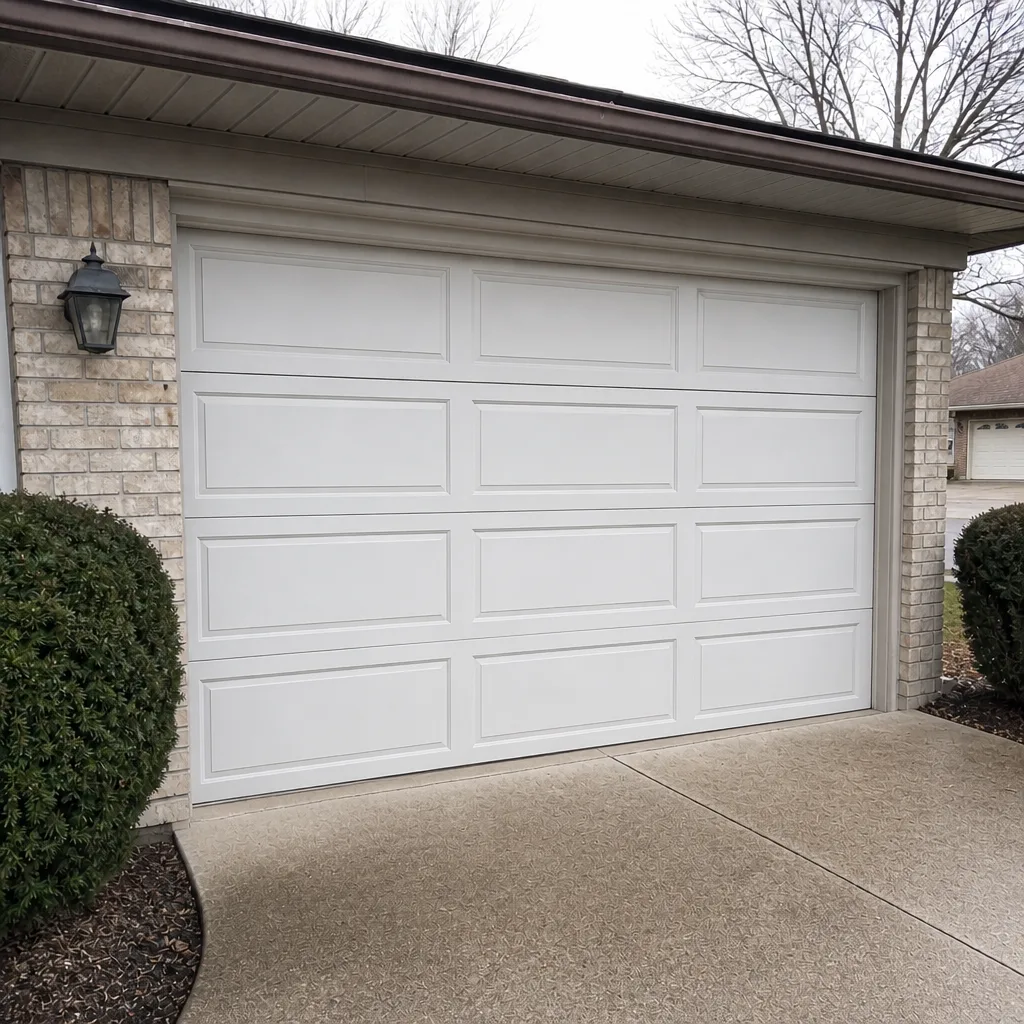 After
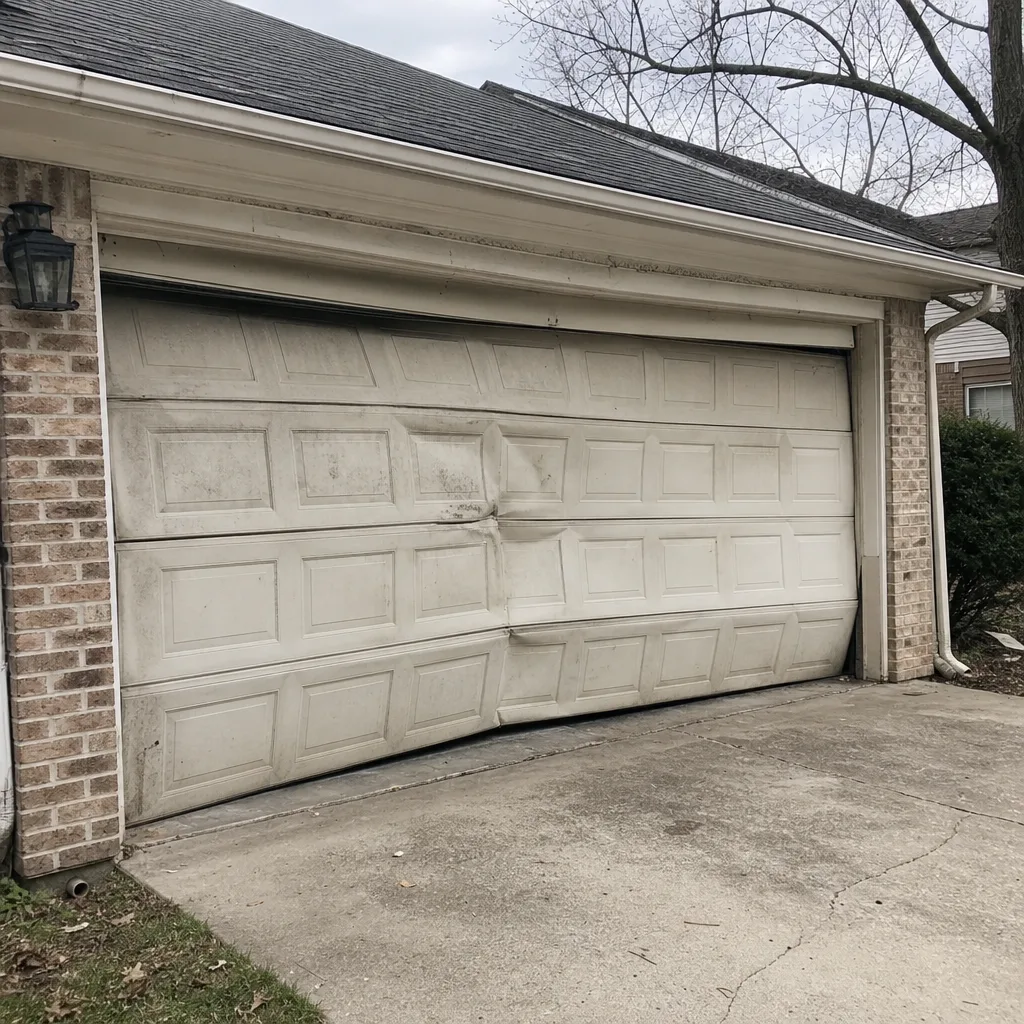 Before
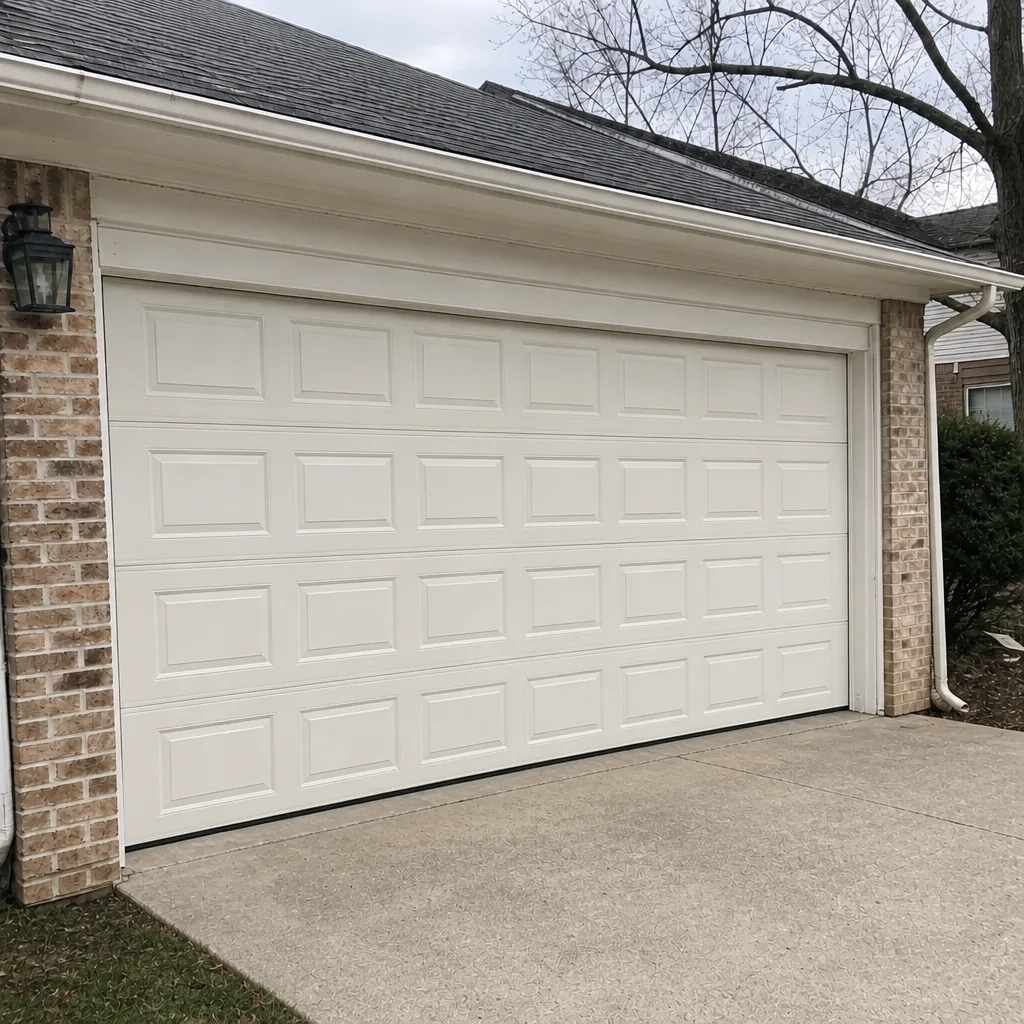 After
When to Call a Professional
Spring or cable involvement is the clearest signal, but it isn’t the only one. A door that comes off its tracks, a cable that’s kinked or frayed, a door that slams down rather than holding mid-travel, a bottom bracket that’s bent, or a header that’s pulling away from the wall all need a trained technician. So does an opener that cycles on its own, makes a grinding noise, or has a hardwired connection that needs redoing. Ironwood Garage Door Repair offers free estimates in Indianapolis, and the estimate is agreed before any work starts. Call (844) 834-1874. We answer 24/7. Fast dispatch from 7am to 7pm, Sunday through Friday.
Frequently Asked Questions
No. Torsion and extension springs are under extreme tension and can cause serious injury when they release, so spring replacement is not a safe DIY task. The correct tools, the correct spring spec, and the controlled release procedure are all part of the job. Call (844) 834-1874 for a free estimate and a professional spring replacement.
Prices depend on the part and the diagnosis, and the written estimate sets the final price. Small jobs like weatherstripping or sensor alignment cost considerably less than a spring replacement or a cable replacement, and the parts cost is only part of the number. Call (844) 834-1874 for an exact quote. Estimates are free.
Possibly, yes. Improper installation or repair and non-OEM parts can affect a manufacturer warranty claim on openers, including LiftMaster and Chamberlain models. If the opener is still covered, having a technician do the work keeps the repair inside the manufacturer’s spec. Call (844) 834-1874 to talk through the opener first.
Weatherstripping replacement, lubrication of rollers and hinges, safety sensor alignment, and visual inspection are all reasonable for a careful homeowner. Anything involving springs, cables, bottom brackets, track re-alignment, or the opener’s electrical connection needs a trained professional. When in doubt, treat the task as tension work and call us first.
Release the opener using the red emergency pull handle with the door in the down position so you can get your car out, then leave the spring and cable work alone. Cold weather tightens tolerances and thickens lubricant, so the fix is usually a real repair, not a force-it-open problem. Call (844) 834-1874. We answer 24/7. Fast dispatch from 7am to 7pm, Sunday through Friday.
Often, yes. During dispatch hours (7am to 7pm, Sunday through Friday), same-day service is typically available for repair calls. Installation and replacement work is measured and scheduled separately, so if you’re planning a new door, the free measure comes first. Call (844) 834-1874 and we’ll confirm the next opening.
The Bottom Line
The DIY-versus-professional question for garage doors comes down to tension. Weatherstripping, lubrication, sensor alignment, and inspection are worth doing yourself, and they’re genuinely low risk. Springs, cables, bottom brackets, header work, and track re-alignment belong with a trained technician, because the injury risk doesn’t shrink with practice. The cost gap between DIY and professional is smaller than most people expect once you price the correct parts and factor in warranty exposure on an opener. Call Ironwood Garage Door Repair at (844) 834-1874 for a free estimate. We answer 24/7. Fast dispatch from 7am to 7pm, Sunday through Friday.
Written by the team at Ironwood Garage Door Repair.