
Last updated November 15, 2026
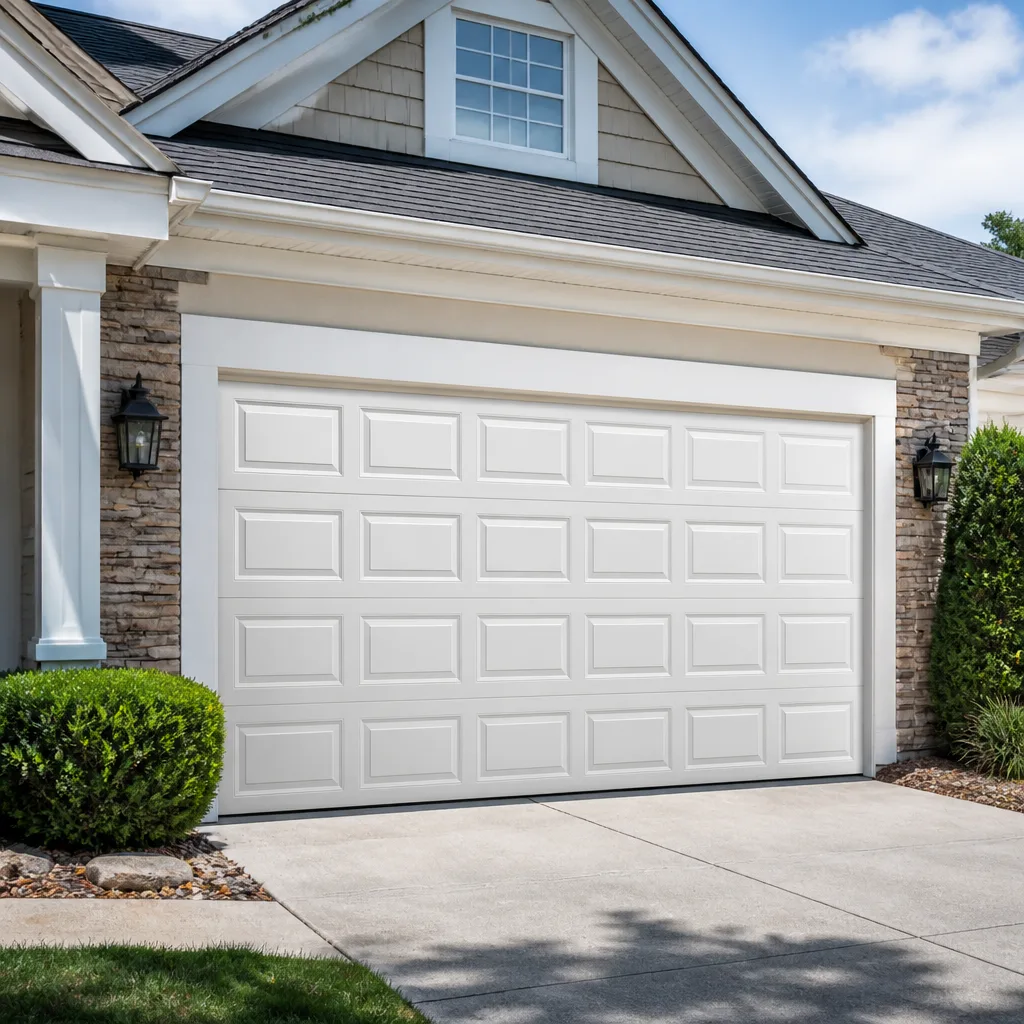 Raised-panel steel
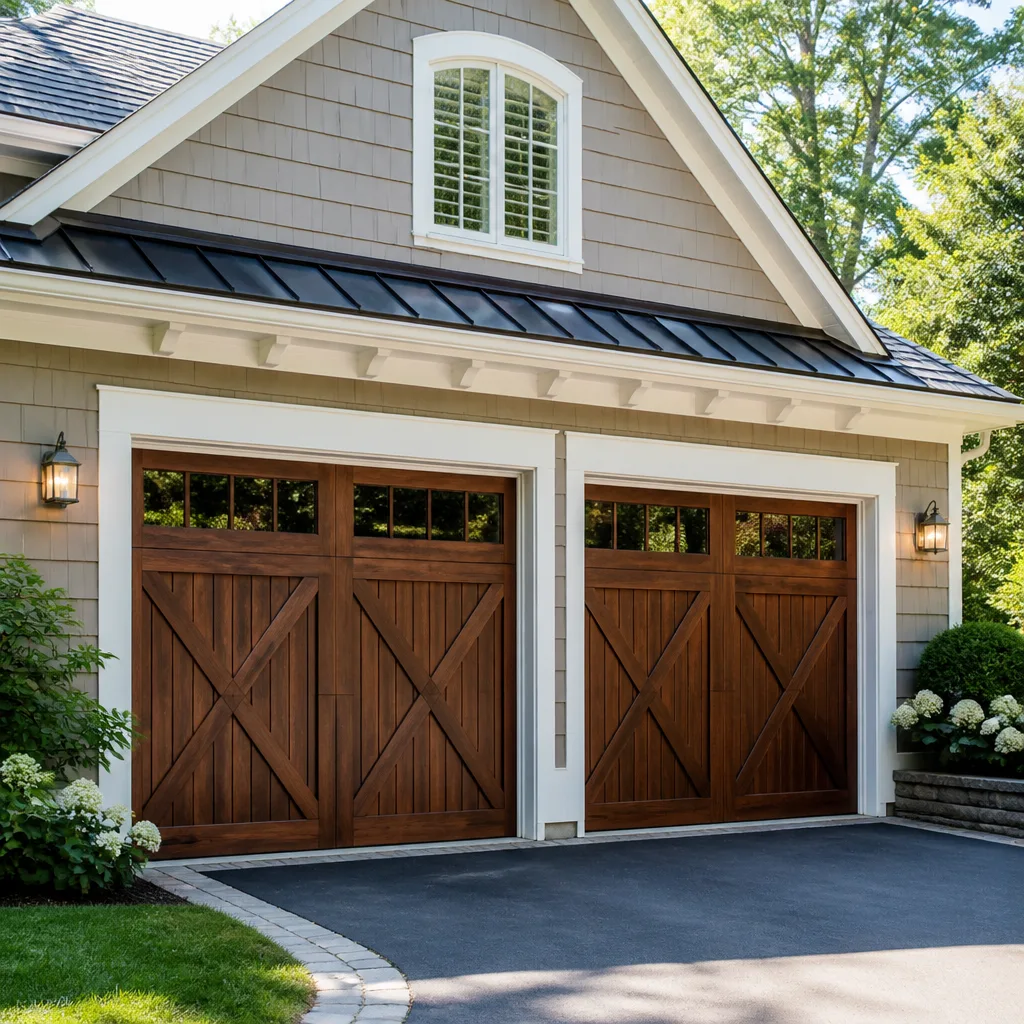 Carriage house
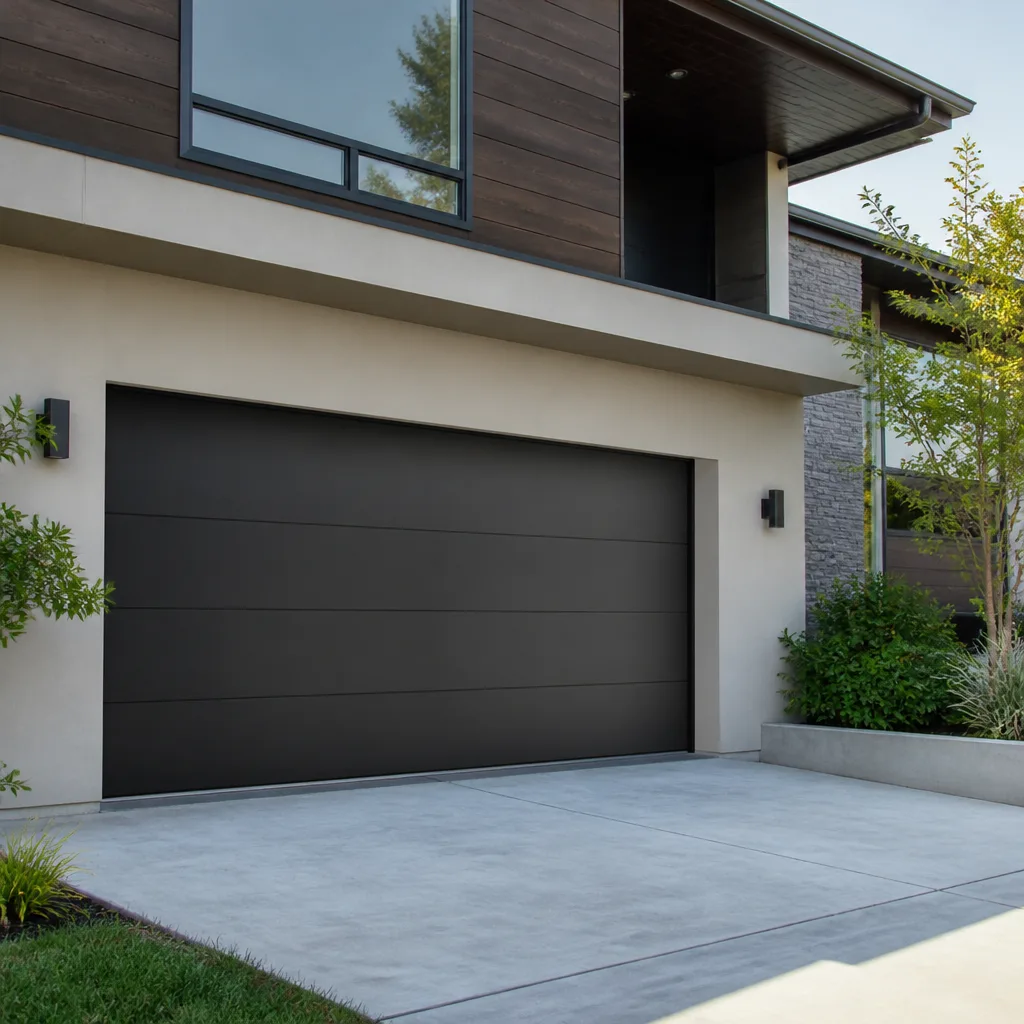 Modern flush
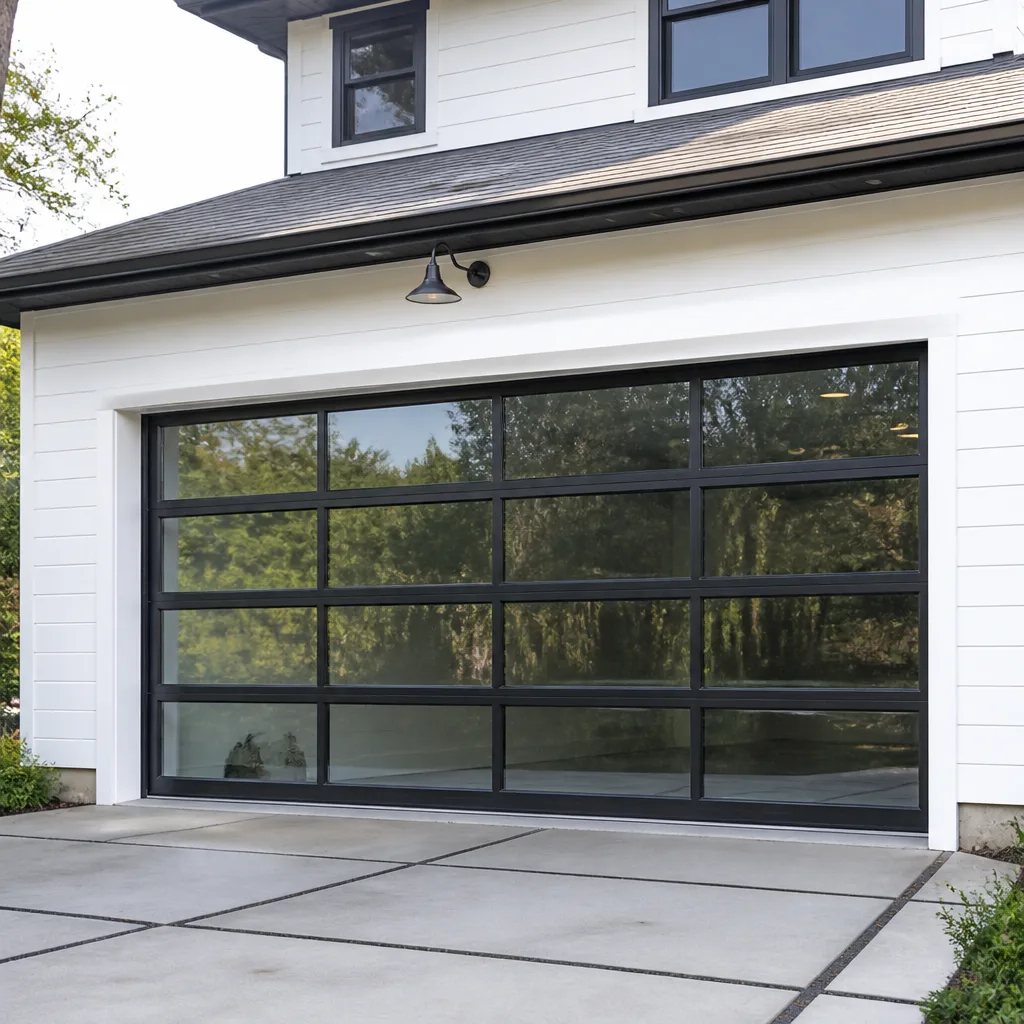 Full-view glass
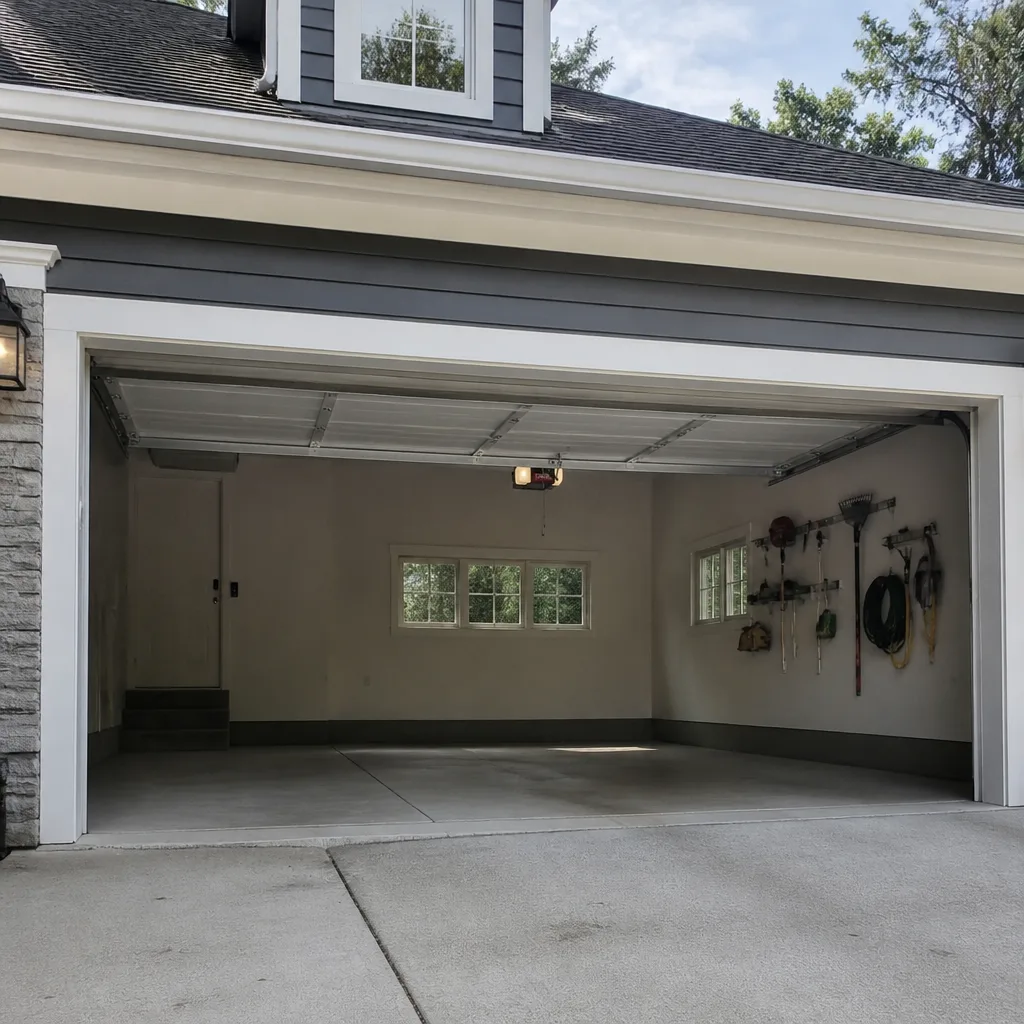 LiftMaster openers
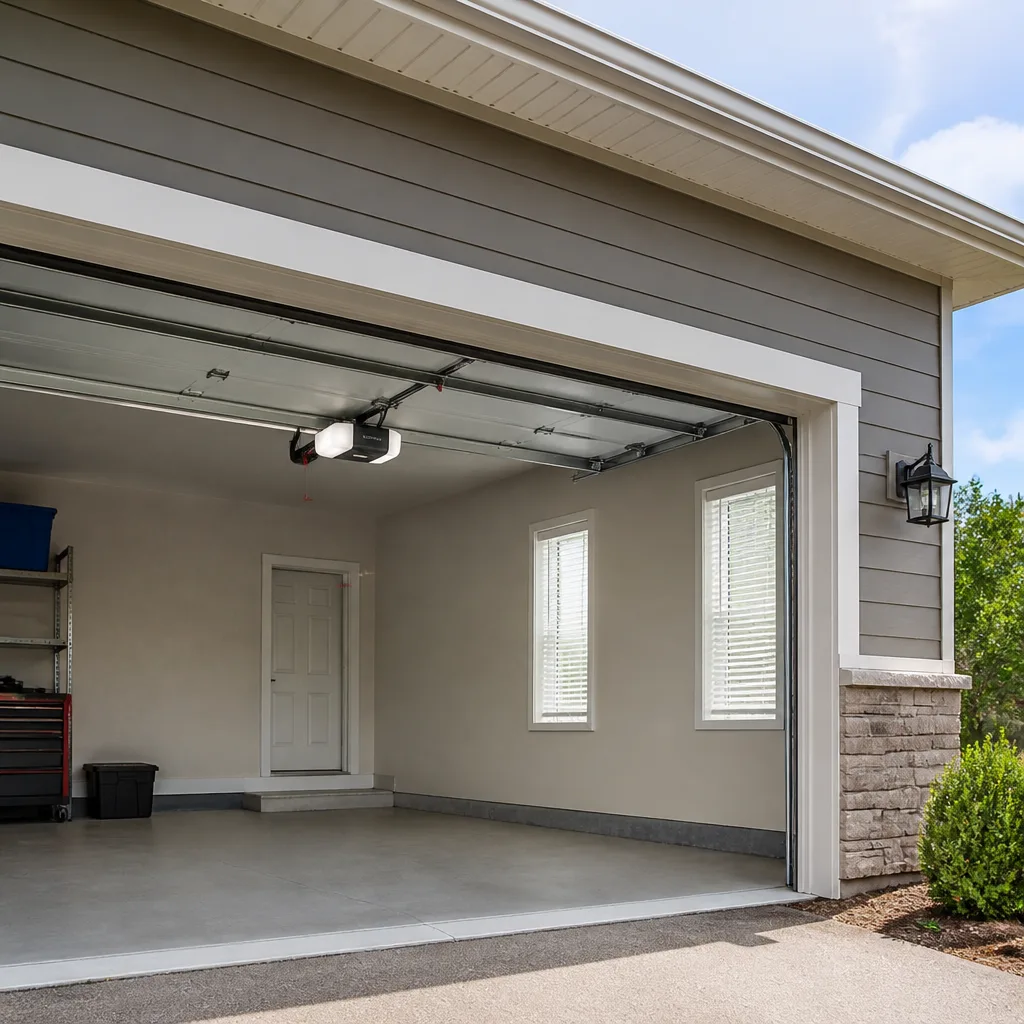 Chamberlain openers
Full 25-point door and opener safety check with every visit - springs, cables, rollers, tracks, and your LiftMaster or Chamberlain opener included
You get a price before we start. It does not change when the pro arrives.
Get your free estimateGarage Door Cost Breakdown: The Indianapolis Homeowner’s Reference for 2026
Most garage door pricing advice you’ll find online was written for a national audience, and it shows. A spring replacement gets quoted at $150 to $350 no matter where you live, as if parts, labor, and drive times cost the same in every city. They don’t. In Indianapolis in 2026, what you actually pay often comes down to something far more specific: whether your opener brand has a local distributor, whether your door is a standard width or something older and odd, and whether the technician can source the right part today or has to order it. That one variable alone can swing a repair by a couple hundred dollars. This guide walks through what drives real Indianapolis pricing, how to read a quote, and when replacement makes more sense than another repair.
Quick Answer
Garage door repair in Indianapolis in 2026 typically runs $140 to $320 for a single torsion spring, $250 to $600 for opener repair or replacement, and $600 to $1,400 for sectional panel work. A full door replacement with a new opener generally lands between $1,800 and $4,500. The written estimate you receive before any work starts is the price you pay. Nothing moves after the technician arrives.
Styles & brands we work with
- Raised-panel steel
- Carriage house
- Modern flush
- Full-view glass
- LiftMaster openers
- Chamberlain openers
Table of Contents
- Why national averages miss the Indianapolis market
- What each type of job costs in Indianapolis
- How parts sourcing affects your invoice
- Older housing stock and non-standard door sizes
- Emergency and after-hours surcharges: what’s legitimate
- Repair or replace a door over 15 years old?
- Insulation value on attached garages in central Indiana
- How to read a garage door quote
Why National Averages Miss the Indianapolis Market
A national cost survey gives you a range, not a price. The range assumes an average labor rate, average parts availability, and an average house. Indianapolis doesn’t run on averages. We’re a mid-sized metro with a labor market that sits below the big coastal cities but above rural Indiana, which means local shop rates tend to land in a narrower band than the national spread suggests. A job quoted at the low end of a national range almost always assumes a standard 16-by-7 door with an off-the-shelf part already on a shelf nearby.
Most homeowners in Indianapolis don’t have that situation. Our housing stock spans roughly a century of construction, from early-1900s four-squares to 1990s subdivisions to new builds on the edges of the metro. Different eras, different door sizes, different opener generations. A 1970s door on the near north side may not match a current standard opening, and that changes the parts list before anyone touches a wrench.
Three variables push Indianapolis prices up or down more than anything else:
- Parts availability. A brand with a distributor nearby means the part is on the shelf today. A brand without one means next-day freight, and freight lands on the invoice.
- Door age and sizing. Pre-2000 non-standard widths often require custom-ordered panels or spring winding to a different tolerance.
- Job complexity. A single spring on a lightly used door is a straightforward hour. A snapped cable on a heavy wood door that’s been out of alignment for years is not.
This is why we quote per job rather than per category. A written estimate done at your door tells you what your specific situation costs. A phone quote from a national script can’t. If you’re weighing whether to fix or replace, the garage door repair page covers the diagnostic side in more depth.
What Each Type of Job Costs in Indianapolis
These are typical ranges for the Indianapolis market in 2026. They’re estimates, and the written quote you receive at the door sets the final number. A spring price below is for one spring. A matched pair is usually replaced together, so a pair runs about twice the single-spring figure.
| Job type | Typical Indianapolis range | What drives the price |
|---|---|---|
| Torsion spring, one spring | $140 – $320 | Spring gauge, door weight, cycle rating of the replacement |
| Extension spring pair | $160 – $340 | Door width, hardware condition, cable wear |
| Cable replacement (per cable) | $160 – $300 | Drum condition, track alignment, corrosion |
| Roller and hinge refresh | $180 – $400 | Number of rollers, hinge count, track condition |
| Bottom seal or weatherstripping | $90 – $220 | Door width, seal style, threshold condition |
| Opener repair (board, gear, travel) | $250 – $450 | Brand, board availability, opener age |
| Opener replacement, belt drive with smart features | $400 – $900 | Brand, drive type, existing wiring, remotes |
| Single panel replacement | $600 – $1,100 | Panel size, color match, brand availability |
| Full door replacement, single car | $1,200 – $2,600 | Material, insulation, window inserts, opener |
| Full door replacement, double car | $1,800 – $4,500 | Material, insulation, opener, disposal |
A few notes on reading this. The upper end of each range usually reflects a heavier door, a part that had to be ordered, or a job where corrosion or misalignment added time. The lower end assumes a standard door and a part that’s available locally. Most Indianapolis jobs land somewhere in the middle.
For the mechanical door itself, the work is straightforward once diagnosed. For the motor and control system, the garage door opener repair page goes deeper on what a board failure versus a gear failure actually looks like. Getting the diagnosis right the first time is what keeps a job in the lower half of a range instead of the upper.
Springs and cables are not a DIY job. The torsion spring on a residential door holds enough stored energy to cause serious injury if it releases while you’re working on it. We recommend a trained technician for anything involving springs, cables, or the drum assembly. The same caution applies to openers wired into a live circuit: shut the power at the breaker and let a technician handle the connection.
How Parts Sourcing Affects Your Invoice
Here’s the variable most homeowners never hear about until the quote arrives. Some opener and door brands have deep local supply in the Indianapolis market. Others don’t. When a technician can pull the right circuit board, gear set, or roller off a shelf the same morning, the job finishes in one visit. When that part has to ship from a regional warehouse, you’re paying for freight, and the door stays out of commission until the part lands.
Brand familiarity matters here. We work with opening systems and doors from LiftMaster, Chamberlain, Genie, Clopay, Amarr, Wayne Dalton, Craftsman, and Raynor. That breadth matters less as a bragging point and more as a practical one: when we know a platform well, we carry the knowledge of which components fail in which order and which aftermarket substitute actually holds up. That’s how a technician diagnoses correctly the first time instead of swapping parts until something works.
A few things to ask before work begins:
- Is the part in stock locally, or does it need to be ordered?
- If it’s ordered, what’s the freight cost and how is it reflected in the quote?
- Does the estimate separate labor from parts, so you can see what you’re paying for?
- Is there a warranty on the part separate from the labor warranty?
Indiana weather doesn’t help. A door that’s been cycling through hot humid summers and freezing winters for years wears components unevenly, and a technician who recognizes that pattern orders the right part the first time. That’s the real cost difference between a shop that knows the brands and one that’s guessing.
Older Housing Stock and Non-Standard Door Sizes
Indianapolis has neighborhoods where the garage door opening was built to a size that isn’t standard anymore. That’s not a defect, it’s just age. A door from before 2000 often measures a few inches off the current standard, and that changes the whole parts conversation.
What tends to happen with an older, non-standard opening:
- Panel replacement gets expensive. A standard panel won’t fit, so the replacement has to be cut or custom-ordered. That pushes a single-panel job from the $600 to $1,100 range up toward the higher end, and sometimes past it.
- Springs are wound to a different spec. A door that weighs more than a current standard model needs a heavier spring. That’s not automatically more expensive, but it’s a different part number that a generalist might not anticipate.
- Track and hardware wear differently. Older doors often run on lighter-gauge track that has deflected over time. Realigning it takes longer than swapping a part.
This is where the repair-versus-replace decision gets real. If the door is over 15 years old and already needs a custom panel plus a spring plus a roller refresh, you’re looking at a meaningful fraction of a new door’s cost. A new door sized to standard brings the next repair back into normal range. That’s worth pricing out before you commit to a long list of repairs on a door that will keep needing them.
We measure before we quote for exactly this reason. A replacement quoted over the phone can miss a sizing issue that only shows up when someone puts a tape on the opening.
Emergency and After-Hours Surcharges: What’s Legitimate
Price gouging dressed up as a service fee is one of the most common complaints we hear. So let’s be direct about how it should work.
A legitimate emergency charge covers something real: a technician pulled off a scheduled job, a part sourced outside normal channels, or a door secured temporarily so the house isn’t open to the street overnight. A legitimate charge is disclosed before the work starts and appears on the written estimate. What’s not legitimate is a vague “emergency fee” that appears only on the final bill, or a diagnostic charge that inflates once the technician sees the door.
How to spot the difference:
- Ask for the total before work begins. Any charge that isn’t in the written estimate is a charge you didn’t agree to.
- Ask what the fee covers. “Emergency service fee” with no explanation is a red flag. A specific line item is not.
- Ask if the diagnostic charge is separate from the repair. Some shops charge both; some don’t. You should know which before you say yes.
- Ask what happens if the part isn’t available. A shop that can’t source the part today should tell you that before charging you for a visit.
If your door fails and you need it working, call and we’ll tell you what’s possible. Call (844) 834-1874. We answer 24/7. Fast dispatch from 7am to 7pm, Sunday through Friday. A call that comes in outside dispatch hours is booked into the next opening, Sunday through Friday, 7am to 7pm. Estimates are free, and the price you’re quoted is set before anyone starts turning a wrench.
One thing we won’t do: charge you more because the call came in at an awkward time. The price is set per job by the written estimate. What changes the price is the job, not the clock.
Repair or Replace a Door Over 15 Years Old?
This is the question that saves or costs Indianapolis homeowners the most money, and the answer is more mechanical than emotional. A 15-year-old door isn’t automatically a replacement candidate. It becomes one when the cost of the next two years of repairs starts to approach the cost of a new door.
A useful way to think through it:
- Add up the last three years of repairs. If you’ve spent more than roughly a third of a new door’s cost on fixes, the math is tilting toward replacement.
- Check whether the door is structurally sound. A cracked or delaminating panel, a bent track that won’t stay aligned, or a door that’s visibly sagging are signs the frame itself is failing. Springs and rollers are consumables; panels and tracks are not.
- Look at the opener separately. A working opener doesn’t need to be replaced just because the door is. A failed opener doesn’t require a new door.
- Weigh insulation. If the garage is attached and shares a wall with the house, an uninsulated door is a heat loss point every winter. A modern insulated door changes that. The next section covers why this matters more in central Indiana than in a mild climate.
On a door older than 15 years, we usually recommend pricing both options side by side rather than deciding on the spot. A repair keeps you running for now. A replacement resets the clock. Which one is right depends on how long you plan to stay and how much you’ve already spent. Neither answer is wrong, but only one of them is cheaper over the long run, and that depends on your specific door.
For a full replacement, we measure the opening and quote in writing before anything is ordered. That work is scheduled, not same-day, because doors and openers have to be sourced to fit.
Insulation Value on Attached Garages in Central Indiana
Indianapolis winters are cold enough that an uninsulated garage door matters. If your garage shares a wall with the house, the garage sits between the outside air and your living space. An uninsulated door lets cold air in, and that cold air pushes against the shared wall. Insulation on the door reduces that transfer.
What to weigh:
- An uninsulated door is a heat loss point. A single-layer steel door transfers cold directly. A foam-insulated door slows it significantly.
- Attached garages benefit most. If the garage is detached, the insulation still matters for comfort in the garage but not for the house’s heating load.
- Insulated doors weigh more. That means a heavier spring and a more capable opener. If you’re upgrading insulation, plan the opener alongside the door, not after.
- Panel construction matters with insulation. A Clopay or Amarr insulated door is built differently than a single-layer model, with a different back-side finish and often a more substantial frame.
Don’t expect an insulated door to make the garage comfortable year-round unless the garage itself is sealed and insulated. What it will do is reduce how hard your furnace works when the temperature drops below freezing. That’s a real difference on a January night in Indianapolis, and it’s worth factoring into a replacement decision.
How to Read a Garage Door Quote
A good quote tells you what’s being done, what’s being installed, and what it costs, before anyone starts. If a quote is missing any of the following, ask for it in writing before you agree to anything.
- The specific part or model being installed. “Spring replacement” is not enough. You want the gauge, the number of springs, and whether it’s a matched pair.
- Labor and parts listed separately. This lets you see whether a higher total is due to the part or the work.
- Any freight or sourcing charge. If a part has to be ordered, that cost should be on the quote, not added later.
- What’s included on the opener side. New remotes, a wall button, a safety sensor check. A replacement that doesn’t include a safety check isn’t finished.
- A warranty on both parts and labor. The length matters less than whether it’s stated.
- The total, in writing, before work starts. This is the number you pay.
If a quote comes in far below everything else, look for what’s missing rather than taking it as a win. A low quote usually leaves out an ordered part, a safety check, or a heavier spring the door actually needs. You get the door back in service and then find the problem returns. Dialing a technician out twice costs more than the difference in the quote.
We diagnose before we quote and quote before we touch the door. That’s the whole process. If you’re comparing options, the Ironwood Garage Door Repair page covers how we approach a job from the first call to the final adjustment.
Common Mistakes to Avoid
- Trusting a national price range as your actual price. National survey numbers assume a standard door and a part on a shelf nearby. In Indianapolis, a non-standard opening or an out-of-stock opener board can move the number meaningfully. Ask for a written quote on your specific door.
- Accepting a phone quote without seeing the door. A quote given over the phone can’t account for door weight, track wear, or a custom size. It’s a placeholder, and it changes once someone is standing in the garage.
- Replacing one spring when both have cycled together. If two springs were installed at the same time, they wear at the same rate. Replacing one leaves the second close to failure, and you’ll be paying for another visit soon.
- Choosing a quote without noting what it leaves out. The lowest number often leaves out the freight, the disposal, or the safety sensor check. The final total is what matters, not the first number you see.
- Skipping the insulation question on an attached garage. If you’re replacing a door anyway, an insulated model changes the heating load in central Indiana winters. Deciding against it is fine, but only after you’ve looked at it.
- Letting a quote turn into a bill. The written estimate is the price. If a total is larger than what you agreed to, that’s a conversation to have before the work is done, not after.
- Shopping on price alone with no warranty in writing. A repair without a stated warranty is a repair you might pay for twice. Ask what’s covered and for how long before you commit.
See the difference
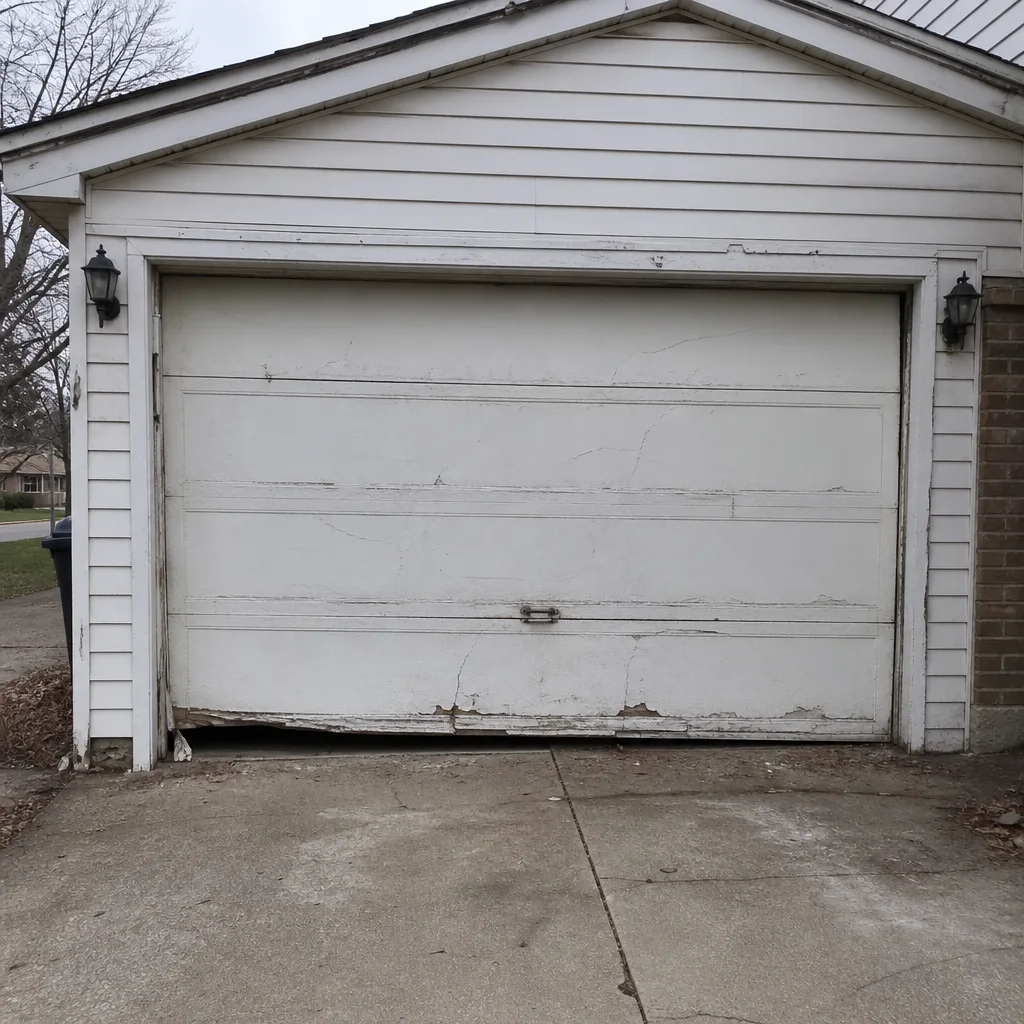 Before
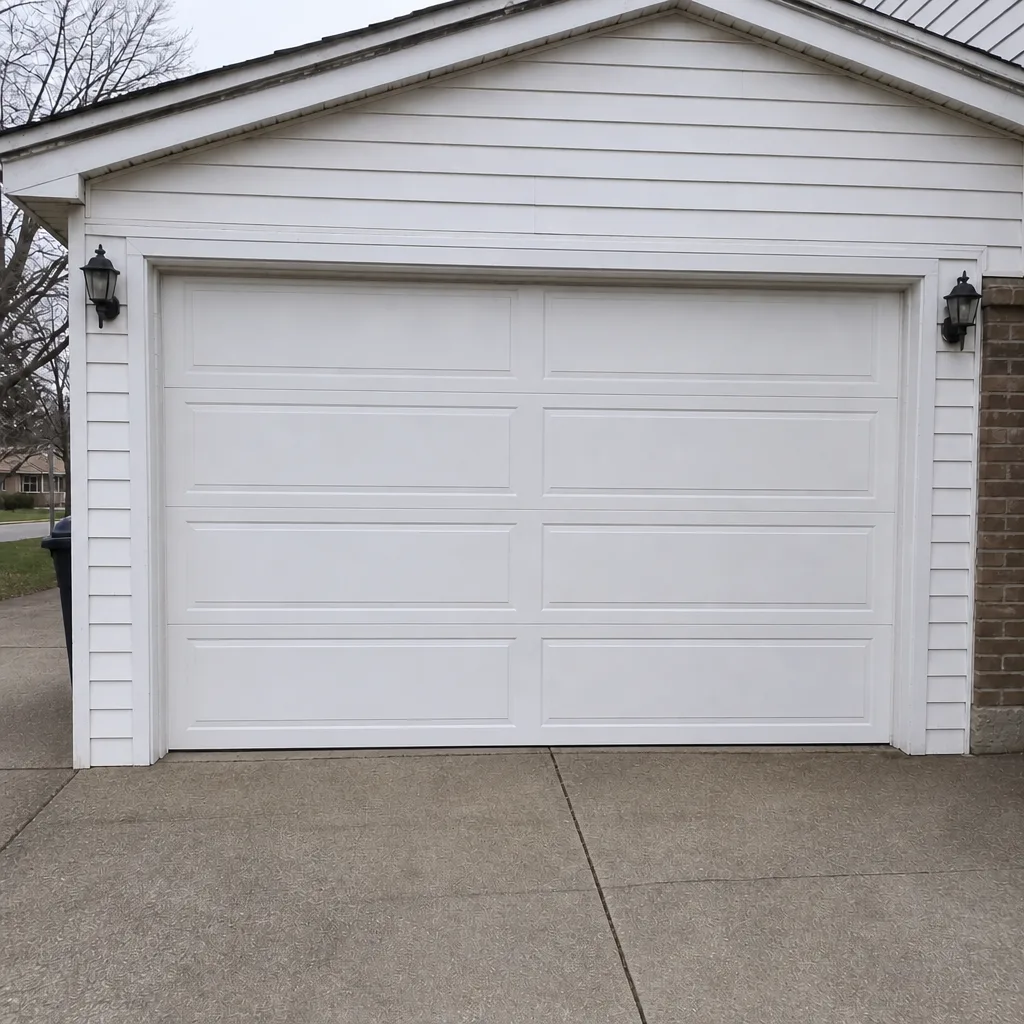 After
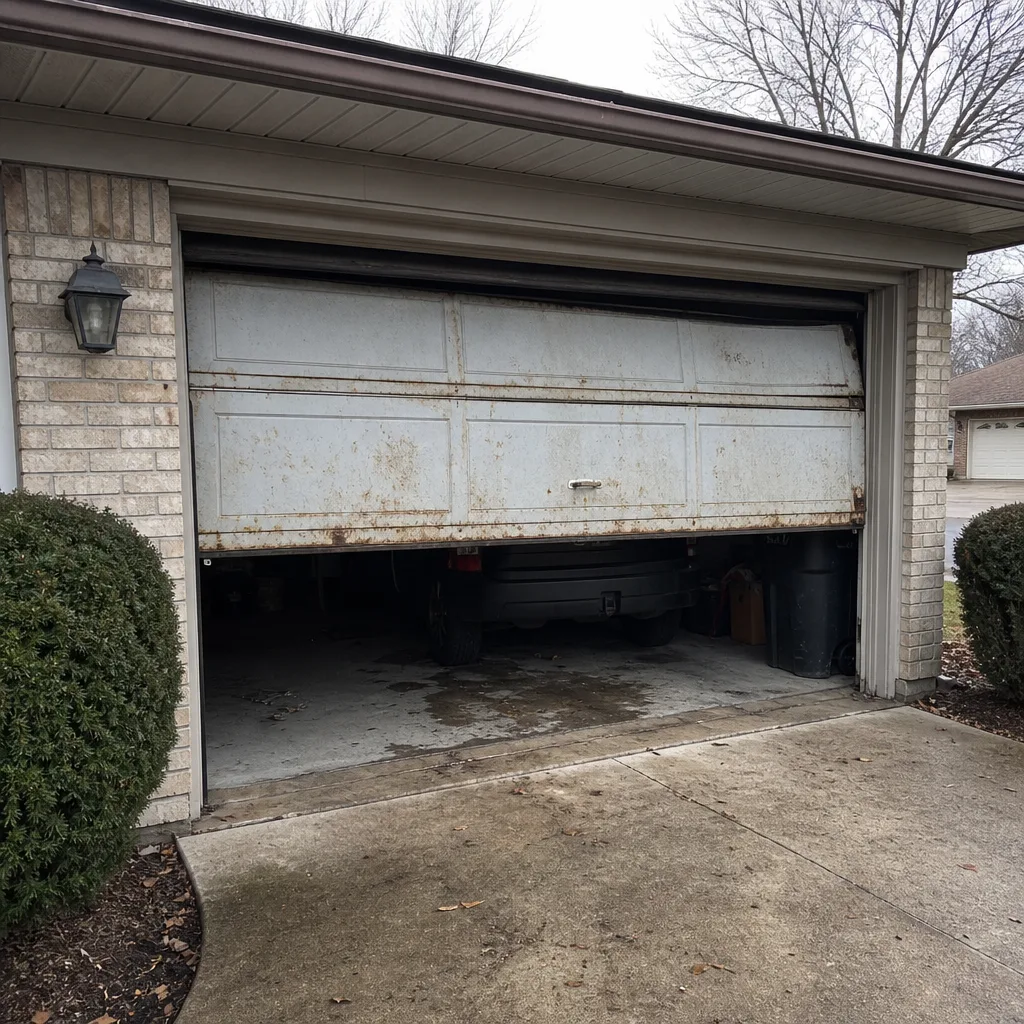 Before
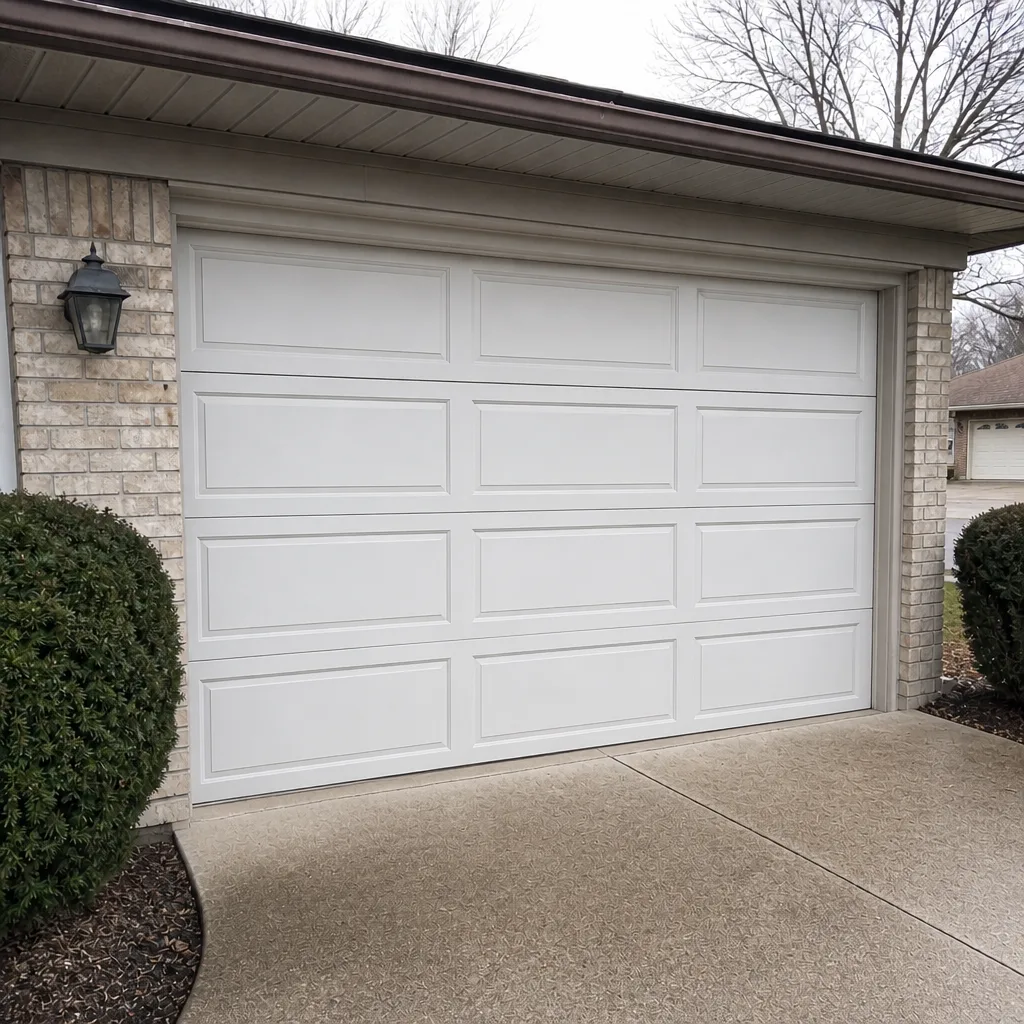 After
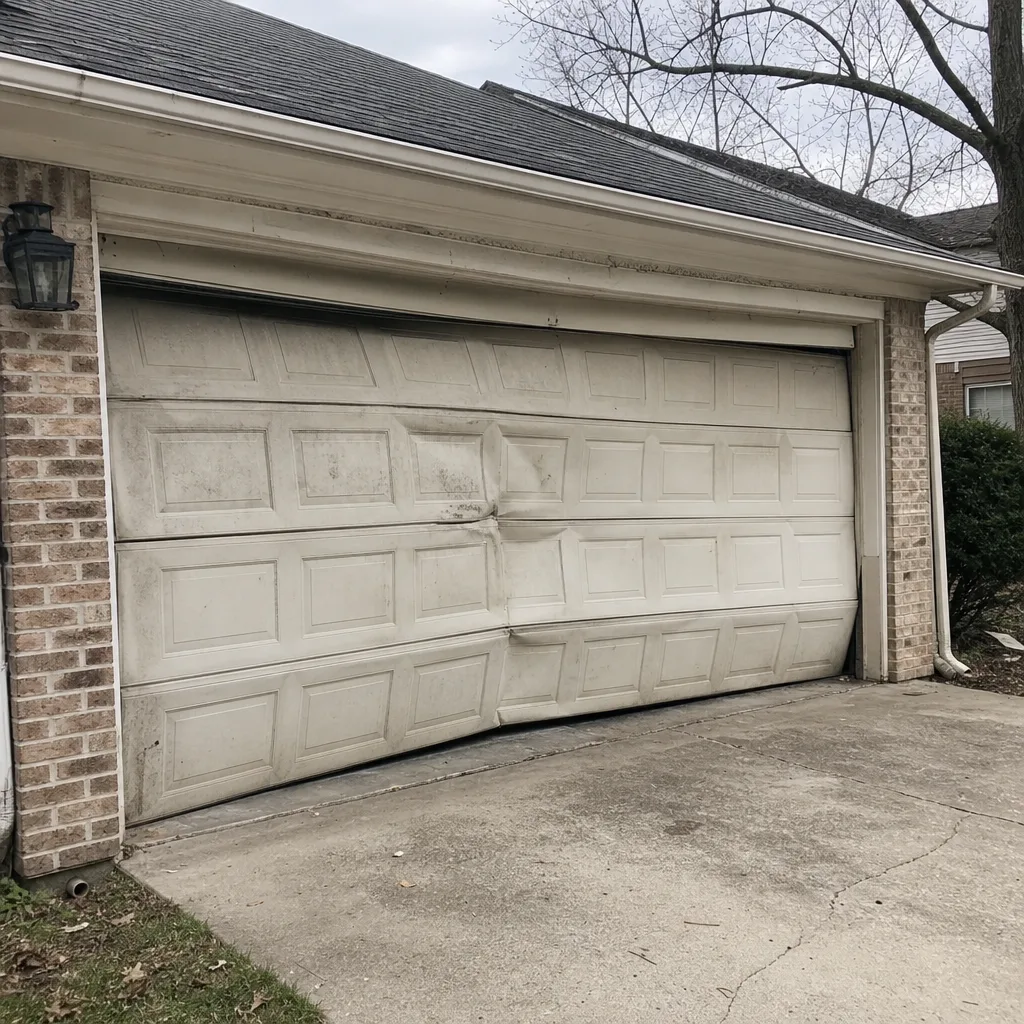 Before
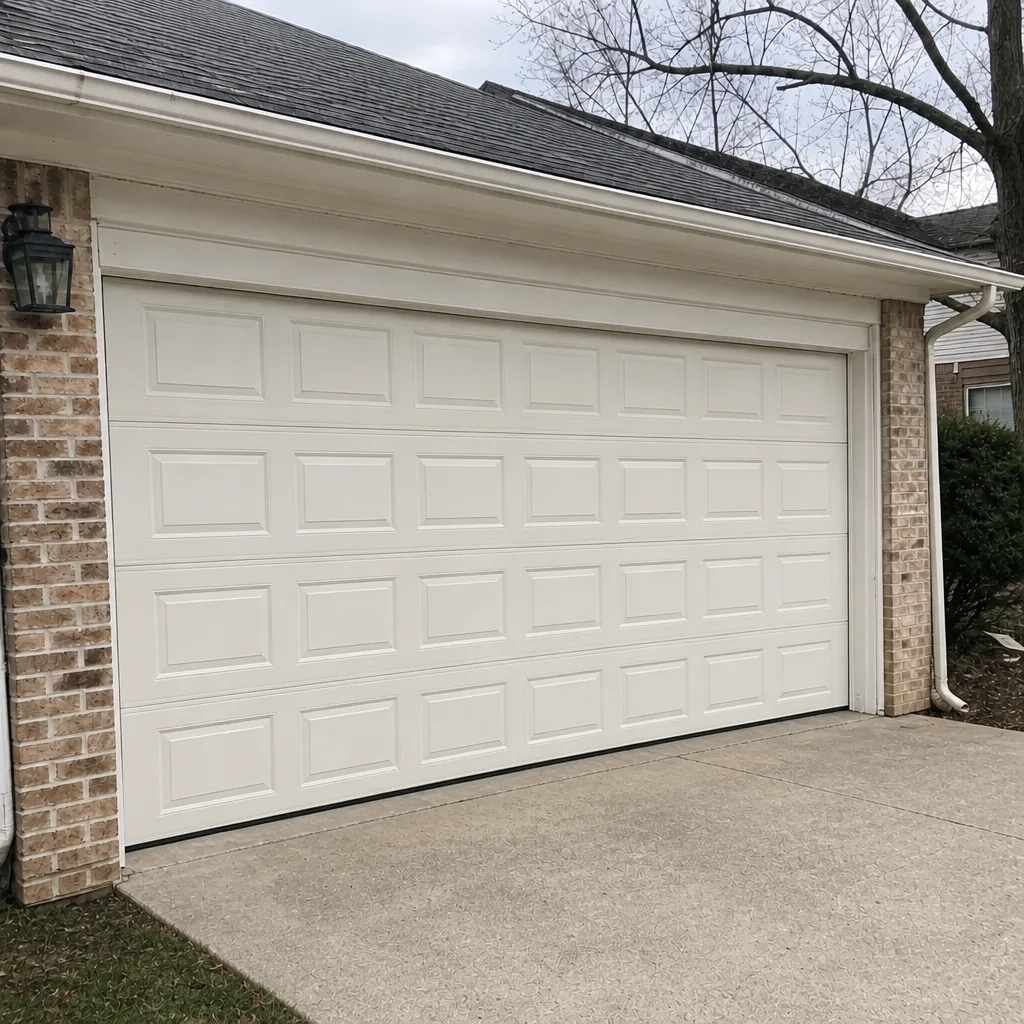 After
When to Call a Professional
Call a professional when the door involves springs, cables, or the drum assembly. Those components hold serious stored energy, and a mistake can injure you badly. Call when the door has come off its track, when the opener hums without moving the door, or when a panel has cracked and the door no longer runs straight. Call when the door is over 15 years old and you’re facing a second or third repair in a couple years, because that’s the point where repair and replacement deserve a side-by-side comparison. And call if a quote you’ve received doesn’t add up. Ironwood Garage Door Repair offers free estimates in Indianapolis. Call (844) 834-1874. We answer 24/7. Fast dispatch from 7am to 7pm, Sunday through Friday. Our technicians have up to 9 years of experience, and garage doors are all we do.
Frequently Asked Questions
Most garage door repairs in Indianapolis in 2026 run between $140 and $600, with the exact figure depending on the job. A single torsion spring typically lands between $140 and $320, a matched pair about twice that, and opener repair between $250 and $450. Full door replacement runs $1,200 to $4,500 depending on size and material. The written estimate you receive before work starts sets the final price. Call (844) 834-1874 for an exact quote; estimates are free.
Yes, for many repairs. A spring, cable, or opener issue is often resolved in a single visit when the right part is available locally. Call (844) 834-1874. We answer 24/7. Fast dispatch from 7am to 7pm, Sunday through Friday. A call that comes in outside those hours is booked into the next opening, Sunday through Friday, 7am to 7pm. Replacement and new installation are scheduled rather than same-day, because doors and openers have to be measured and ordered to fit.
No. The written estimate is the price. We quote after looking at the door, not before, so the number you agree to is based on what’s actually there. If something hidden turns up, we talk it through with you before any additional work starts. You’re never handed a larger invoice than the quote you agreed to. Call (844) 834-1874 for a free estimate.
Yes, the independent professionals who perform the work are state-licensed and insured. We connect homeowners with local technicians who specialize in garage doors rather than general handyman work, which means the person at your door works on door systems daily. Call (844) 834-1874 if you’d like to talk through your situation before booking.
Usually it’s parts sourcing or door age. A brand without a local distributor means the part has to ship, and freight lands on the invoice. A pre-2000 door with a non-standard opening often needs a custom panel or a heavier spring. The national average assumes a standard door with a part already nearby, which isn’t every door in Indianapolis. The written quote reflects your door, not an average. Call (844) 834-1874 for an estimate on your specific situation.
Repair if the panels and track are structurally sound and the repairs are limited to springs, rollers, or the opener. Replace if you’ve spent more than roughly a third of a new door’s cost on repairs in the last few years, or if a panel or track is failing. In central Indiana, an insulated door also reduces heat loss on an attached garage, which factors into the math. We’ll price both options before you decide. Call (844) 834-1874.
The Bottom Line
National averages are a starting point, not a price. In Indianapolis in 2026, what you pay comes down to three things: whether your brand’s parts are available locally, whether your door is a standard size, and whether the technician diagnosed it correctly the first time. A single spring runs $140 to $320, opener work $250 to $900, and a full replacement $1,200 to $4,500. The written estimate sets the final number. Get it in writing before work starts, ask what it includes, and compare totals rather than first numbers. That’s the whole game.
Get a Free Written Estimate in Indianapolis
Whether your door needs a spring, an opener, or a full replacement, we’ll measure, diagnose, and quote before anything is ordered or started. Garage doors are all we do, from the spring to the smart opener, and we work on your brand regardless of which system is on your door. Call (844) 834-1874 for a free estimate. We answer 24/7. Fast dispatch from 7am to 7pm, Sunday through Friday. The price we quote is the price you pay, and it’s agreed before any work begins.
Written by the team at Ironwood Garage Door Repair.