
Last updated November 15, 2026
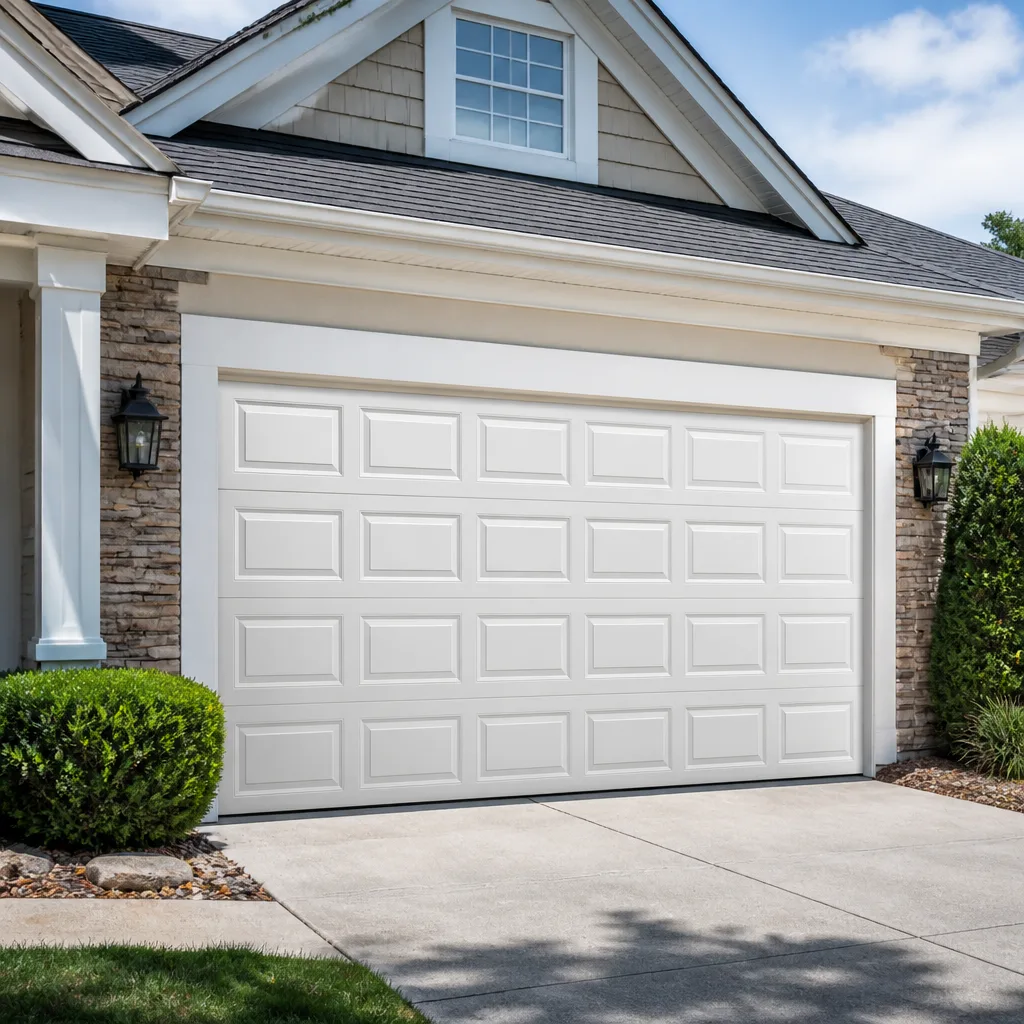 Raised-panel steel
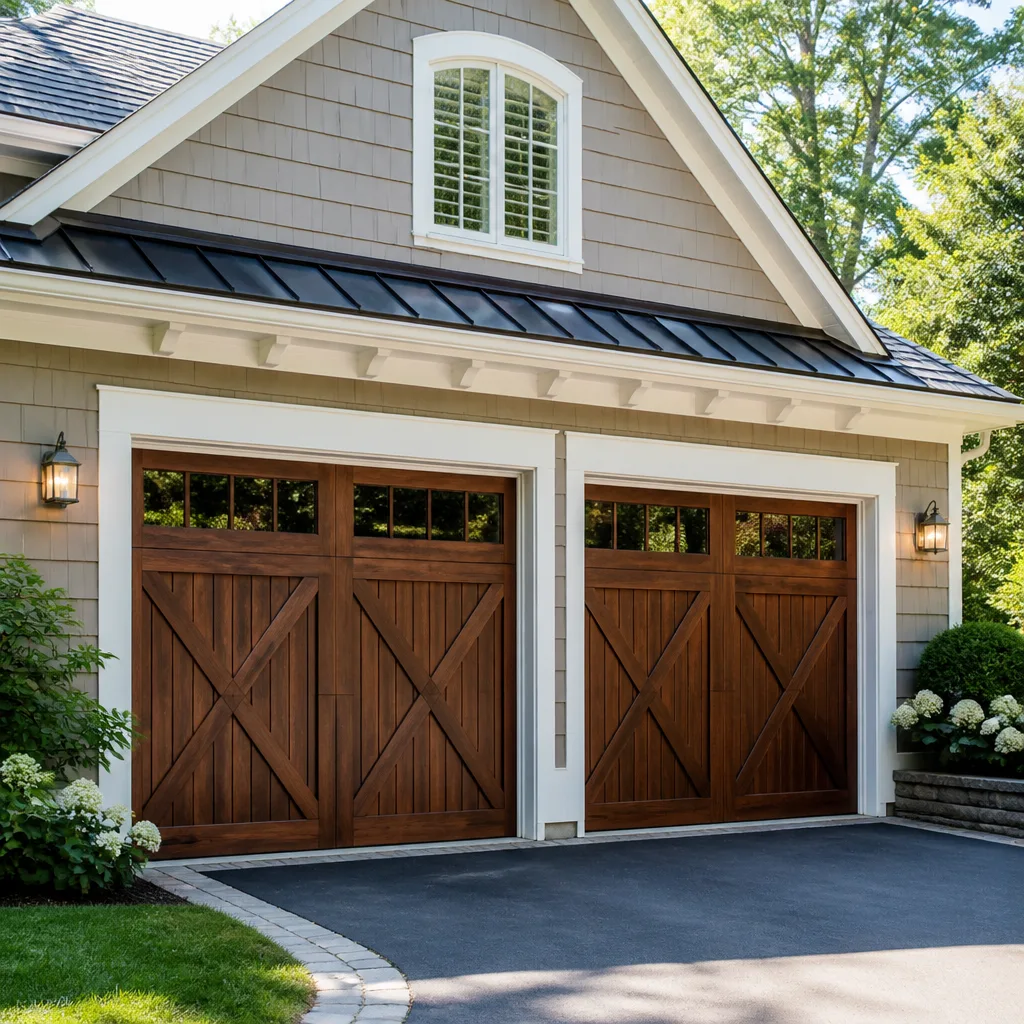 Carriage house
 Modern flush
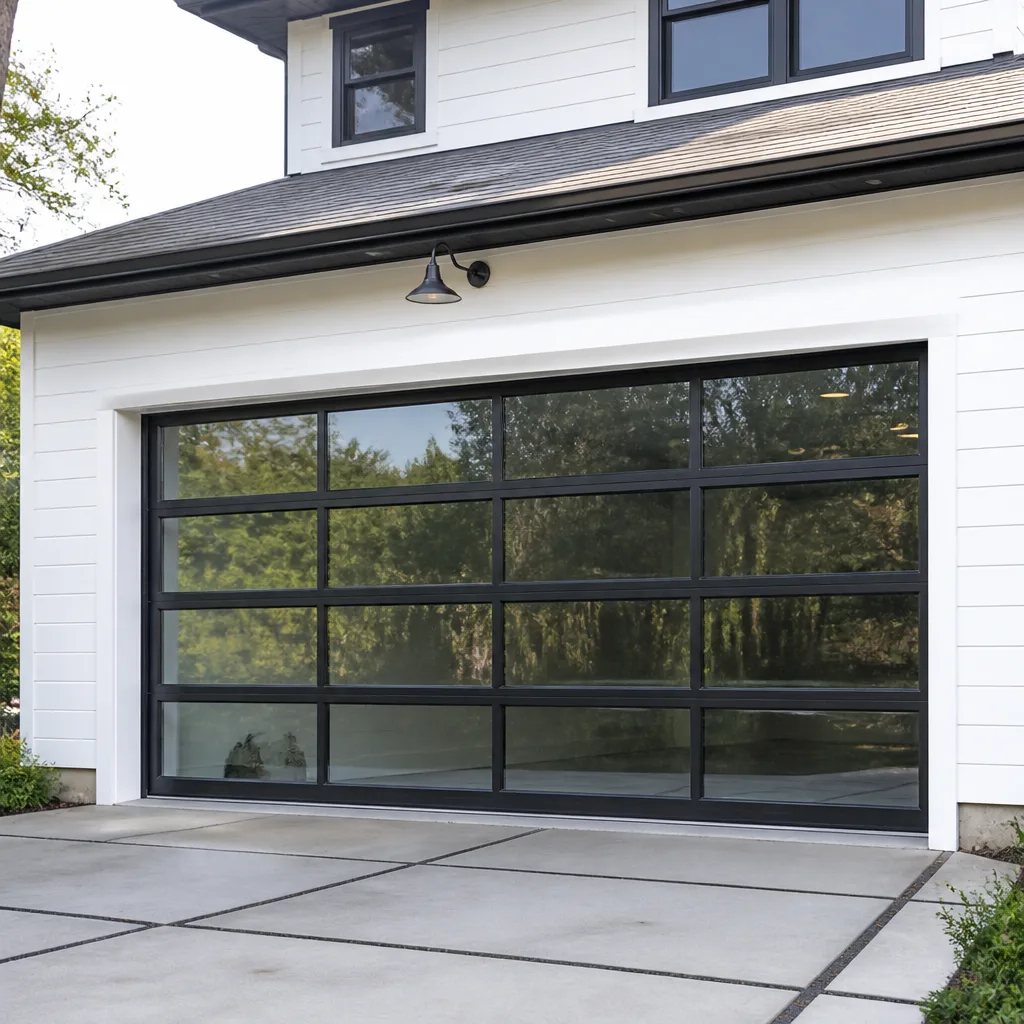 Full-view glass
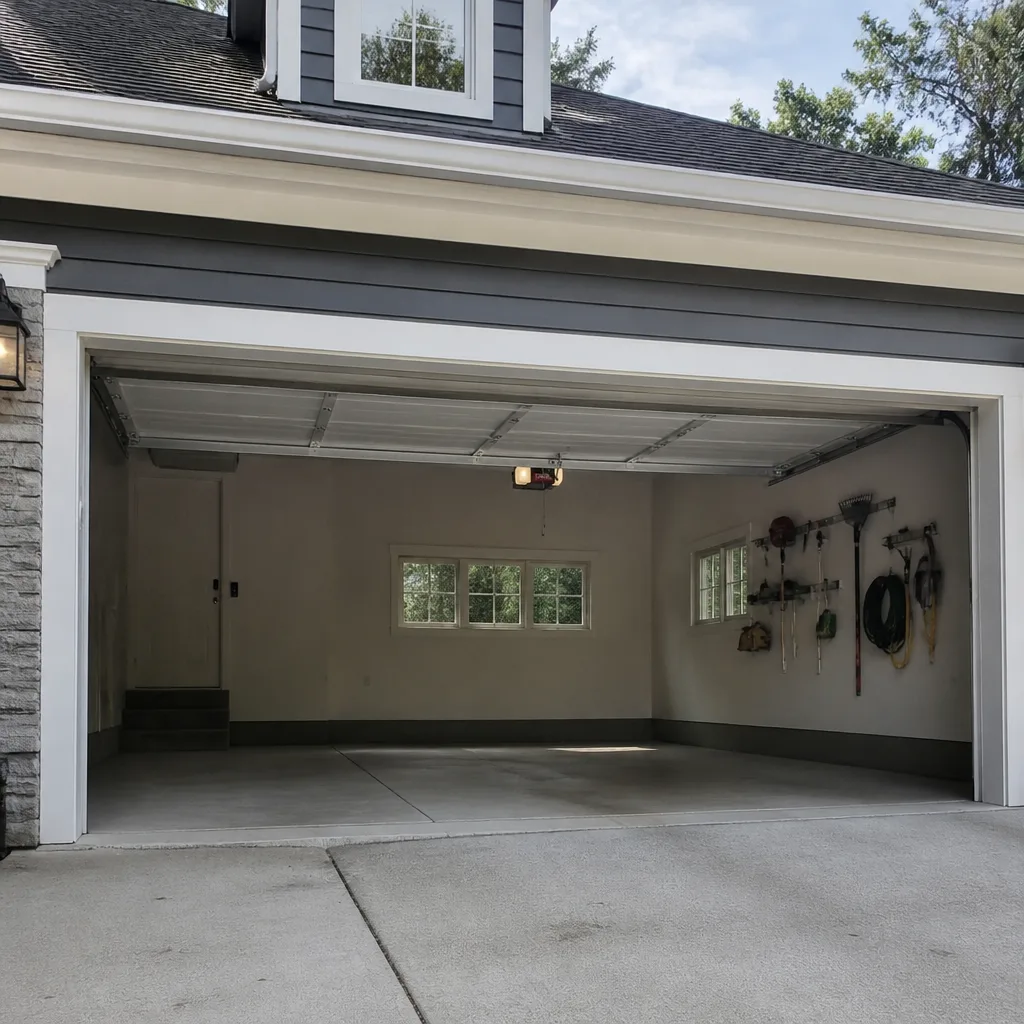 LiftMaster openers
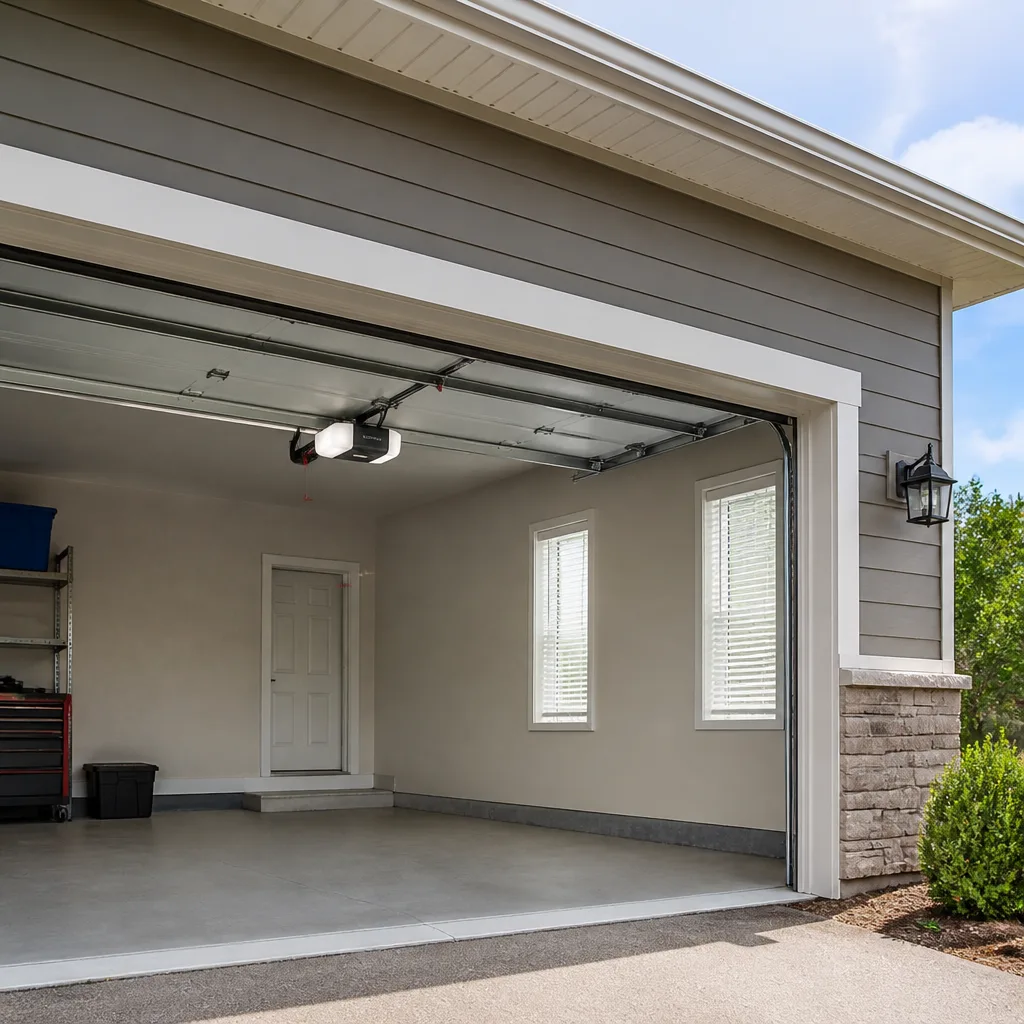 Chamberlain openers
Full 25-point door and opener safety check with every visit - springs, cables, rollers, tracks, and your LiftMaster or Chamberlain opener included
You get a price before we start. It does not change when the pro arrives.
Get your free estimateGarage Door Emergency Preparedness Guide for Indianapolis Homes
Most homeowners think a garage door emergency means a snapped spring or a busted opener. In our experience across Indianapolis, the calls that cause the most stress come from something simpler: the car is trapped inside, the power is out, and nobody in the house has ever touched the manual release. A door that won’t move is annoying. A door you can’t operate manually is a problem. This guide walks you through what to do before, during, and after an Indianapolis freeze, ice storm, or power outage, so a stuck door stays a minor event instead of a ruined morning.
Quick Answer
If your garage door is stuck during an Indianapolis power outage or winter storm, first pull the manual release cord (or engage the release on your opener) to disconnect the door from the motor, then lift the door by hand. If the door won’t budge, don’t force it. The spring or track may be damaged. For a door stuck open, secure it as best you can and call a garage door specialist rather than rigging it yourself. The most important prep step is testing your manual release before the storm hits.
Styles & brands we work with
- Raised-panel steel
- Carriage house
- Modern flush
- Full-view glass
- LiftMaster openers
- Chamberlain openers
Table of Contents
- Why Indianapolis Winters Put Garage Doors at Risk
- How to Use Your Manual Release (Step by Step)
- How to Secure a Door That’s Stuck Open in the Cold
- What to Do When the Bottom Seal Freezes Shut
- Power Outage Protocol: Battery Backup and What to Do Without One
- Pre-Storm Checklist for Indianapolis Homeowners
- Common Mistakes to Avoid
- When to Call a Professional
Why Indianapolis Winters Put Garage Doors at Risk
Indianapolis sits in a climate band where temperatures swing hard and fast. A 50-degree afternoon in January can drop into the teens by morning. Those swings stress every part of a garage door system: the springs, the weather seal, the lubricant in the rollers, and the opener’s drive mechanism.
Ice storms add a second layer of risk. When freezing rain coats the door’s exterior panel, it adds weight the springs weren’t calibrated for. A door that balanced perfectly in autumn may suddenly feel heavy or sluggish in a February freeze. Homeowners in neighborhoods like Broad Ripple, Irvington, and Meridian-Kessler, where many garages were built decades ago with original hardware, often see this first.
The power grid is the other weak point. Central Indiana ice storms routinely knock out electricity to whole blocks. If your opener doesn’t have a battery backup, your car is going nowhere until the power comes back, unless you know how to release the door manually.
Here’s what this guide covers: how to operate the manual release safely, how to secure a door that’s stuck open in a winter storm, how to free a frozen bottom seal without tearing it, and what to do about power outages with or without a battery backup unit. We’re Ironwood Garage Door Repair, and Ironwood Garage Door Repair exists because garage doors are all we do. This guide is written from what we see in Indianapolis homes every cold season.
How to Use Your Manual Release (Step by Step)
Every automatic garage door opener has a manual release mechanism. It’s the safety feature that lets you operate the door by hand when the motor can’t. Most homeowners have never used it, and that’s exactly why it causes panic during an emergency.
The most common opener brands in Indianapolis homes are Craftsman, LiftMaster, Chamberlain, and Raynor. The release mechanism on all four is fundamentally the same: a cord with a handle that hangs from the trolley that rides on the rail above the door. Pulling the cord disengages the trolley from the drive chain or belt, freeing the door to move manually.
How to release the door manually
- Make sure the door is fully closed if possible. Releasing a door that’s partway up can let it drop suddenly. If the door is already open, have someone help you hold it before you pull the release.
- Find the release cord. It hangs from the trolley on the rail, usually with a red or T-shaped handle. Look up, not down. It’s not on the door itself.
- Pull the cord straight down and slightly toward the door. You’ll feel the trolley click as it disengages. On some openers, you pull the cord toward the motor instead. Check your opener’s manual if the first pull doesn’t release.
- Lift the door slowly by hand. A properly balanced door should lift with one hand and stay open when you let go. If it slams down or fights you, the spring is likely broken and you should stop.
- Re-engage the trolley when power returns. Pull the release cord again (some models re-engage when the door is pushed back toward the motor) and run the opener once to reconnect.
The mistake that causes permanent disengagement
The most common error we see is pulling the release cord when the door is already disengaged, or pulling it repeatedly in frustration. On many openers, that flips the trolley’s release lever into a locked position that won’t re-engage until someone climbs up and resets it by hand. If your opener won’t reconnect after the power comes back, it’s usually this, not a failed opener. If you can’t get it to re-engage safely, a garage door opener repair visit will sort it out.
Test your manual release on a mild day before winter. It takes two minutes and tells you whether your release works at all.
How to Secure a Door That’s Stuck Open in the Cold
A door stuck open during an Indianapolis ice storm or freeze is a security issue and a cold-air issue at once. You don’t want to force the door down and damage the track. You want to secure the opening until a technician can fix it properly.
The safe way to temporarily close a door that’s jammed open depends on why it’s stuck. If the door came off the track, don’t force it. If the opener failed but the door itself moves freely, you may be able to close it by hand after releasing the trolley.
How to temporarily secure a stuck-open door
- Release the trolley first. If the opener is the problem, pull the manual release so the door isn’t fighting the motor.
- Check the tracks and rollers visually. Look for a bent track section, a roller that’s popped out, or a cable that’s hanging loose. If you see any of those, don’t move the door. Call a specialist.
- Lower the door slowly by hand if the hardware looks intact. Guide it down evenly on both sides. Don’t let one side drop faster than the other.
- If the door won’t close, block the opening. A piece of plywood braced against the door frame, or a temporary bar across the opening, can keep the door from swinging or blowing in. Don’t screw anything into the panels.
- Keep the area clear. Don’t stack heavy items against a door that’s stuck open or one that’s partially down. If it drops, you don’t want anything underneath it.
Never try to force a bent door back onto its track with a pry bar. Tracks are thin-gauge steel, and prying them cold is a reliable way to bend them worse. A door that comes off the track needs a proper garage door repair visit, especially when the temperature is below freezing and the metal is brittle.
What to Do When the Bottom Seal Freezes Shut
Indianapolis hard freezes create a specific problem: the rubber bottom seal on your garage door freezes to the concrete threshold. The door opens a few inches and then rips the seal loose or strains the opener. There’s a method that works and one that doesn’t.
What doesn’t work: forcing the opener to lift the door repeatedly, or yanking the door up by hand. Both can tear the seal, strip the opener gear, or damage the door’s bottom section. If the seal is glued to a steel panel and the panel flexes, you can permanently bend it.
What works: freeing the seal before you try to open the door. Break the ice bond first, then open.
How to free a frozen bottom seal
- Don’t hit the opener button. Leave the door closed.
- Break the ice bond with warm (not hot) water. Pour a few cups of warm water along the seal where it meets the concrete. Hot water can crack the rubber. Warm water is enough.
- Slide a plastic putty knife or a thin plastic scraper under the seal. Work it along the length of the door, gently lifting the seal from the concrete. Never use a metal scraper or a screwdriver, which will gouge the seal or the concrete.
- Test the door by hand first. After you release the trolley, try lifting the door a few inches manually. If it moves freely, re-engage and use the opener.
- Dry the threshold and the seal. Wipe the seal and the concrete dry so the two don’t freeze together again. A light coat of silicone spray on the rubber can help keep it from bonding.
If your seal has already torn, a replacement is a small job that prevents a lot of heat loss and keeps snowmelt from running under the door.
Power Outage Protocol: Battery Backup and What to Do Without One
During an Indianapolis ice storm, the power can be out for hours or days. Your garage door is one of the first things you’ll need to operate. What you do depends on whether your opener has a battery backup.
If your opener has battery backup
Most major brands, including LiftMaster and Chamberlain, sell openers with integrated battery backup. The battery typically lasts a limited number of open-and-close cycles, not indefinitely. If your opener has one, use it for essential trips only: getting the car out, then getting it back in. Don’t run it up and down for convenience.
Battery backup units work with existing door hardware. You don’t need a new door or new springs to add one, as long as the door is balanced and the opener is compatible. If your current opener doesn’t support a backup, a replacement opener is usually the simplest path.
If your opener has no battery backup
- Use the manual release. Pull the trolley release cord to disconnect the opener, then operate the door by hand.
- Lift slowly and guide evenly. A balanced door lifts with one hand. If it doesn’t, stop and call for repair.
- Keep the door closed when not in use. A door you’ve manually opened should be closed by hand after each trip to reduce the chance of leaving it partially up.
- Re-engage the opener when power returns. Pull the release cord again or push the door toward the motor to reconnect the trolley, then run the opener once.
A battery backup is one of the simplest upgrades you can make before winter. If you’re not sure whether your opener supports one, we can tell you over the phone.
Pre-Storm Checklist for Indianapolis Homeowners
The best way to handle a garage door emergency is to prevent one. Before a forecast freeze or ice storm, run this checklist. It takes about fifteen minutes and saves hours of trouble.
- Test the manual release. Pull the trolley release cord on a mild day and lift the door by hand. Confirm it re-engages when you’re done. If you don’t know how, learn now.
- Check the door balance. With the door disconnected, lift it halfway. A balanced door stays put. A door that drops or rises on its own needs spring adjustment before winter.
- Inspect the weather seal. Look for cracks, tears, or sections pulling away from the door. A worn seal freezes to the concrete faster and lets cold air in.
- Lubricate the moving parts. Apply a silicone-based lubricant to the rollers, hinges, and torsion springs. Don’t use grease, which thickens in cold weather.
- Check the opener’s battery backup. If you have one, confirm the battery still holds a charge. If you don’t, decide whether to add one before the storm.
- Clear the threshold. Sweep away snowmelt, leaves, and debris from the concrete under the door so the seal doesn’t freeze to grit.
- Know your opener’s brand and model. When you call for service, knowing whether you have a Craftsman, LiftMaster, Chamberlain, or Raynor opener saves diagnostic time.
Do this before the first hard freeze in Indianapolis. Once the ice hits, it’s harder to inspect anything safely.
Common Mistakes to Avoid
- Pulling the manual release when you don’t need to. If the power is on and the door is working, leave the release alone. Pulling it unnecessarily can leave the trolley in a locked position that’s hard to reset.
- Forcing a frozen door open. If the door won’t lift, the seal is probably frozen to the threshold. Busting the ice bond first prevents torn seals and strained openers. This is the number one cause of winter opener failure we see in Indianapolis.
- Lifting a door with a broken spring. A door with a snapped torsion or extension spring can weigh far more than you expect. Forcing it up can drop the door or injure you. If it won’t lift with one hand after releasing the trolley, stop and call.
- Prying a bent track back into place. Cold steel bends and cracks. A track that’s off alignment needs a proper repair, not a pry bar.
- Ignoring the opener after a power outage. If the opener won’t re-engage after you pull the release, don’t keep cycling it. The trolley is probably locked out and needs a reset.
- Using the wrong lubricant. Grease and household oils thicken in cold weather and gum up the rollers. Silicone spray is what works in an Indianapolis winter.
- Assuming a new opener will fix a door problem. If the door itself is off balance, binding, or damaged, a new opener just masks the issue. The door system has to be right first.
When to Call a Professional
Some problems you can handle with the steps above. Others need a technician who works on garage doors every day. Call a professional if any of these are true:
- The door won’t lift with one hand after you’ve released the trolley. That points to a broken spring or a serious balance issue.
- The door is off its track, or a cable is hanging loose. Don’t operate the door.
- The opener won’t re-engage after a manual release, and you’ve tried the reset.
- You hear grinding, popping, or a loud snap from the opener or the spring.
- The door came down unevenly or looks crooked when closed.
These are all fixable, but not with a pry bar and not in the cold. Ironwood Garage Door Repair offers free estimates in Indianapolis. Call (844) 834-1874. We answer 24/7. Fast dispatch from 7am to 7pm, Sunday through Friday. Our technicians have up to 9 years of experience and are familiar with the brands in most Indianapolis homes.
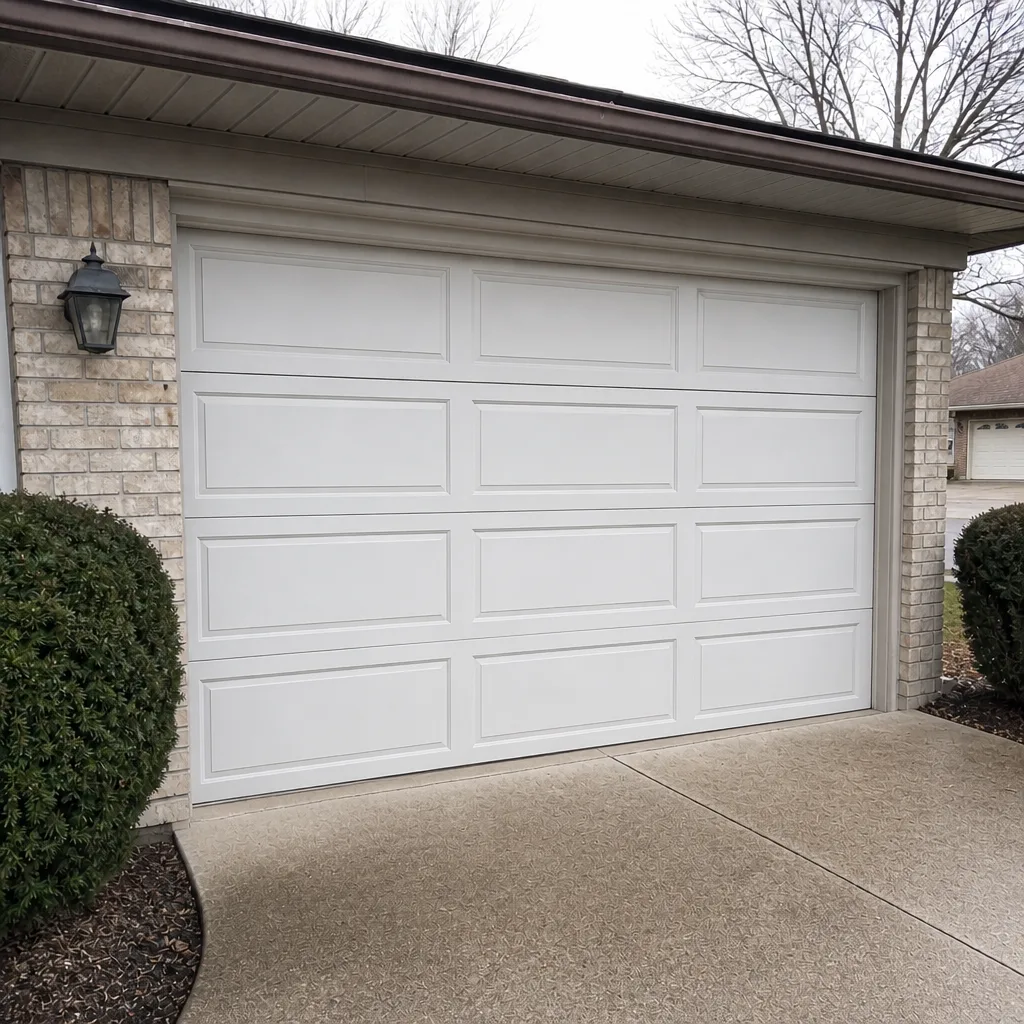
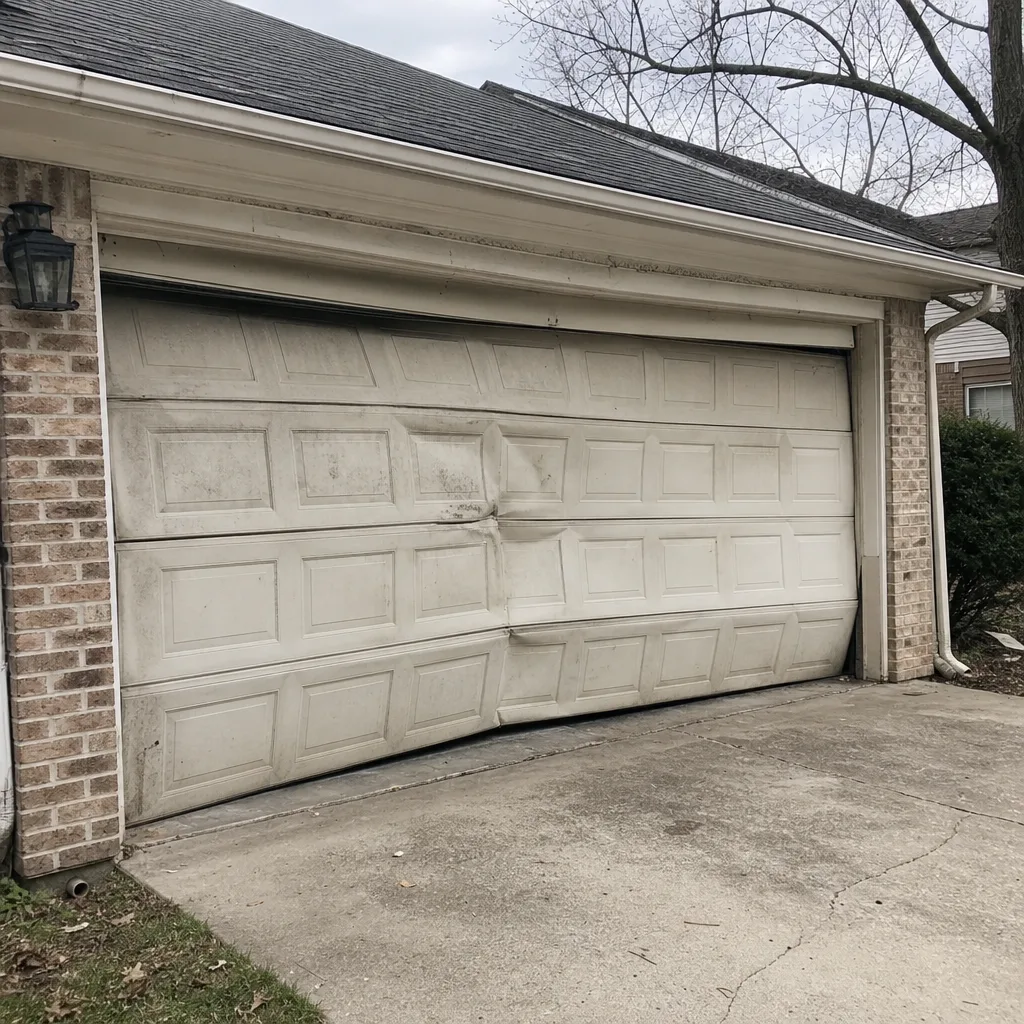
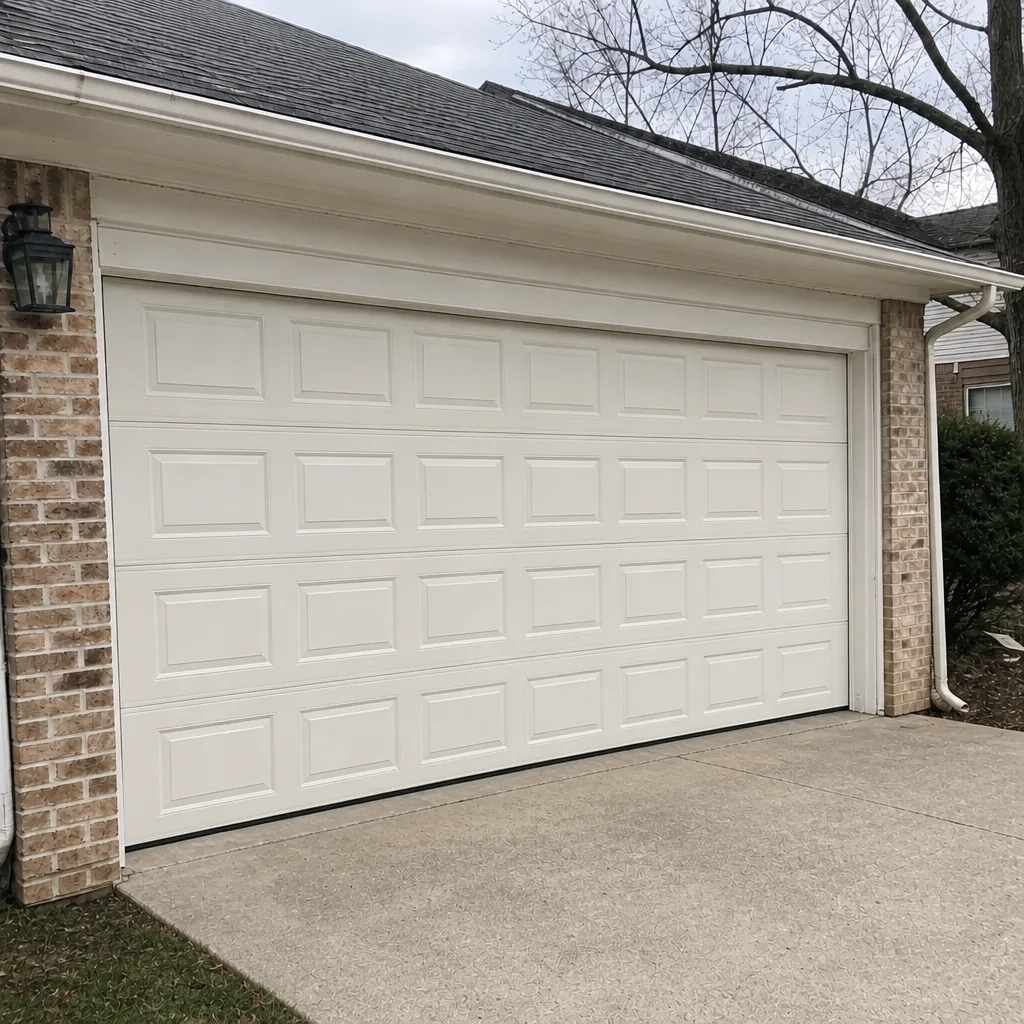
See the difference
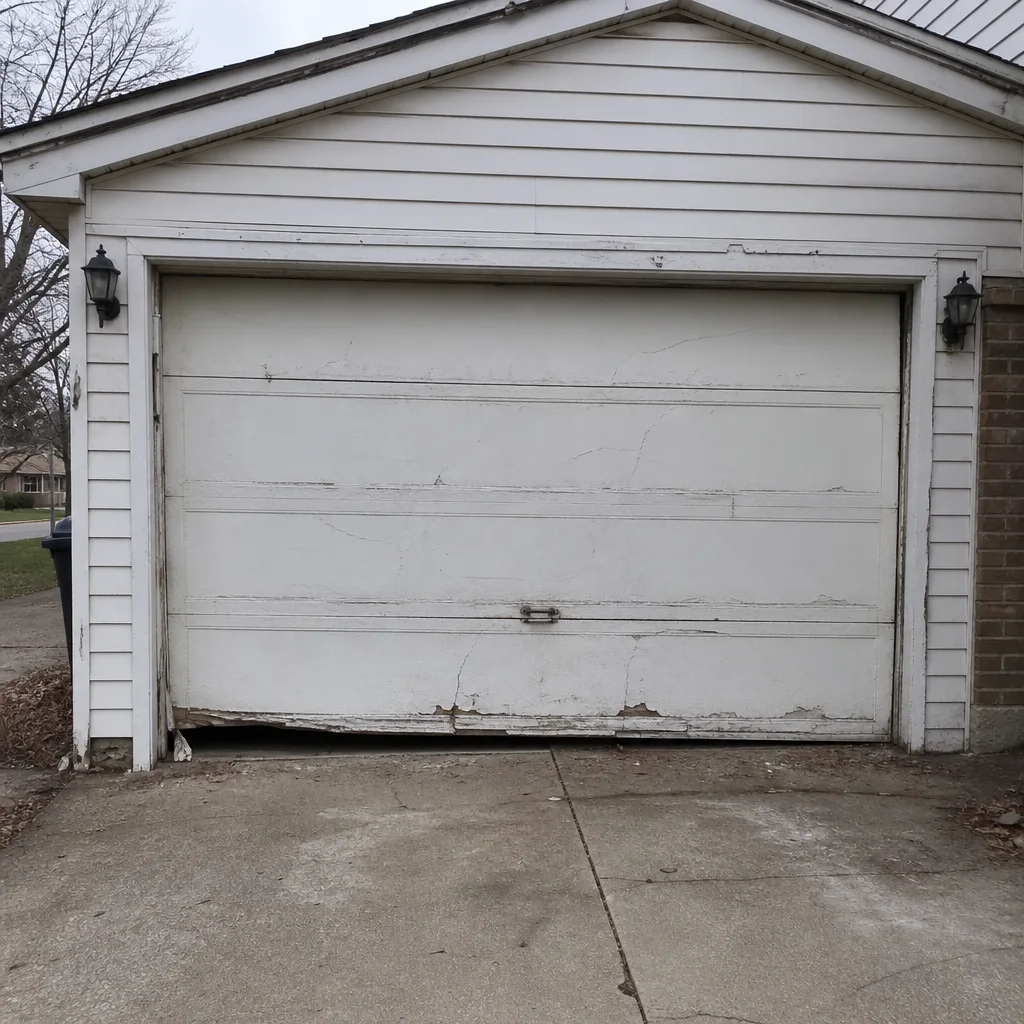 Before
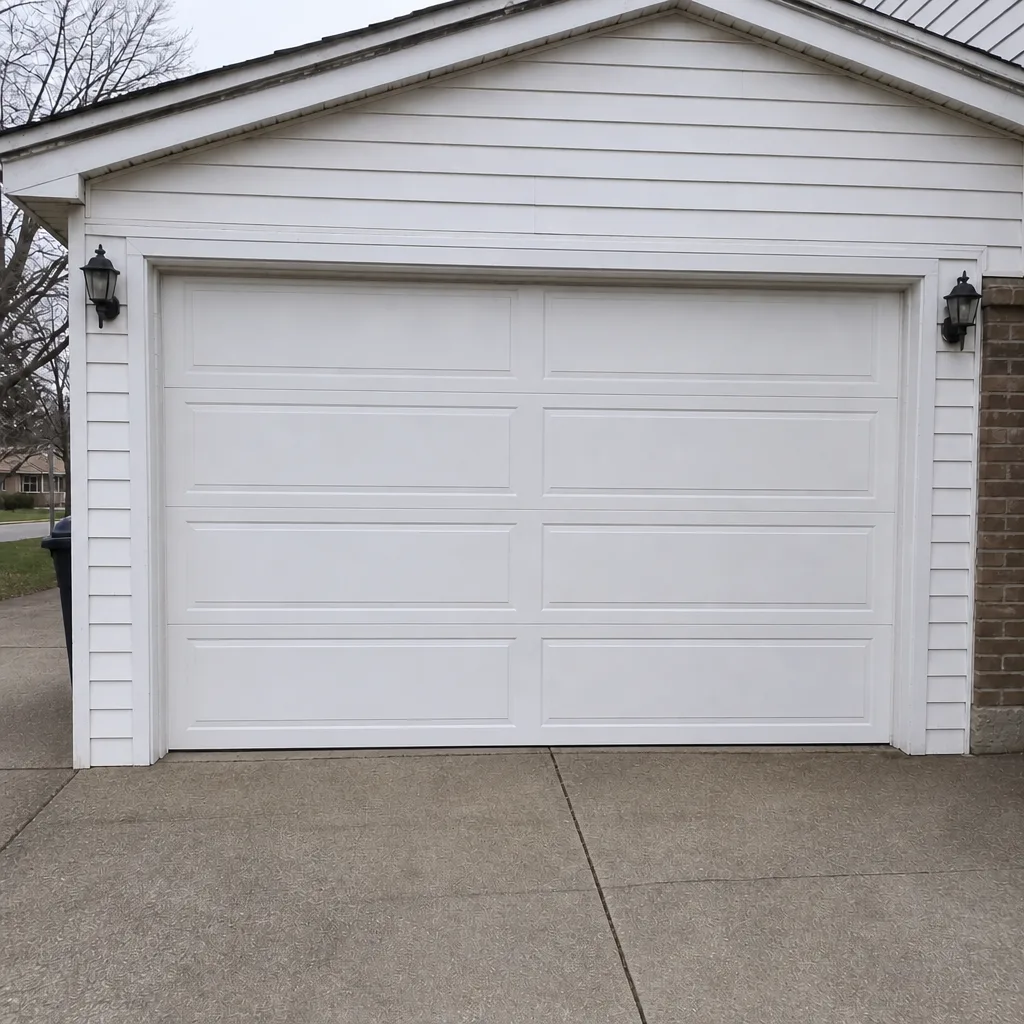 After
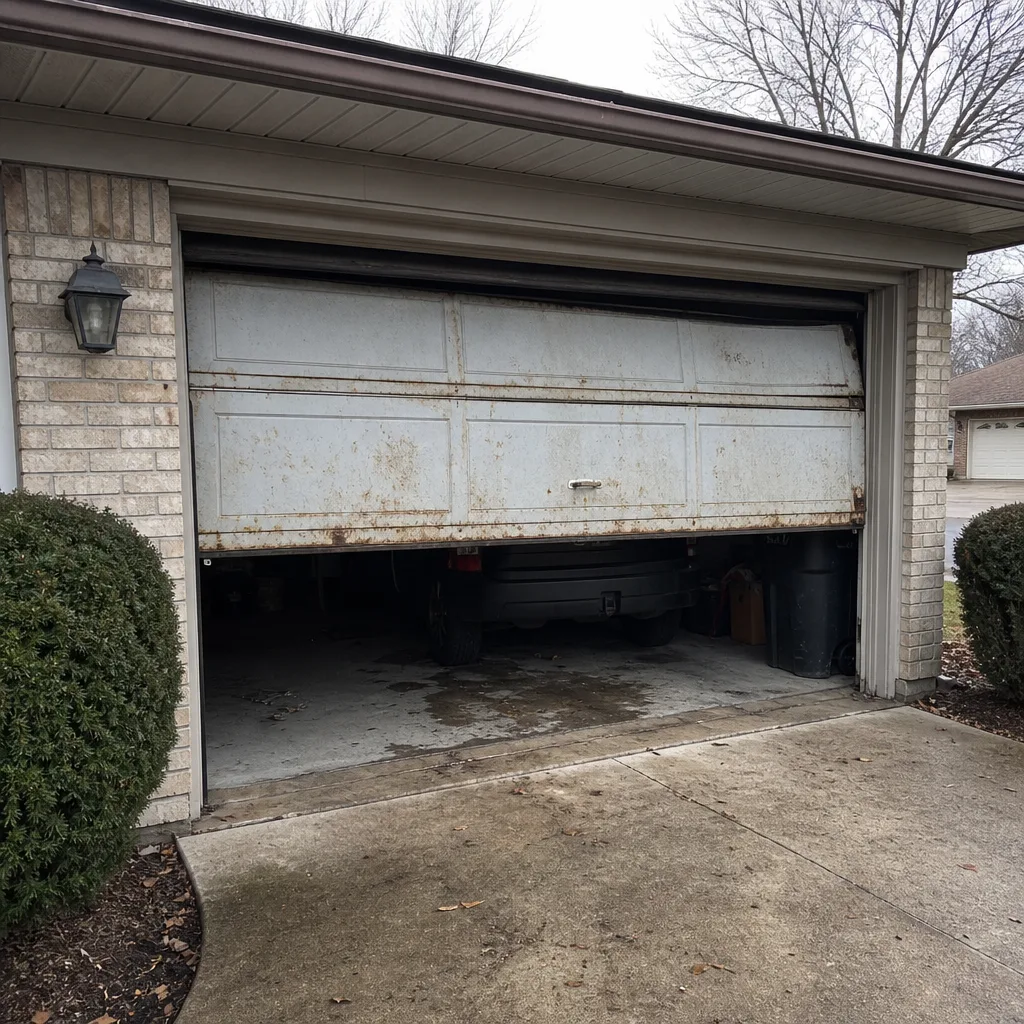 Before
 After
 Before
 After
Frequently Asked Questions
Pull the manual release cord that hangs from the trolley on the rail above the door, then lift the door by hand. Have someone help hold the door if it’s already open. If the door won’t lift with one hand, the spring is probably broken, and you should stop and call for repair. For an exact quote on a repair, call (844) 834-1874 – estimates are free.
If the power is back on and the door still won’t open, the trolley is likely disengaged or locked out from the manual release. Pull the release cord again or run the opener once to reconnect. If it still won’t move, the opener or a spring may have failed. Call (844) 834-1874 for an exact quote on a diagnostic visit – estimates are free.
Repair costs vary with the part and the door. A spring replacement is the most common repair, and a broken spring is priced per spring; a matched pair is usually replaced together, so a pair costs roughly twice a single spring. Seal replacement, roller replacement, and opener repairs are typically lower-cost jobs. The written estimate sets the final price, and nothing starts until you’ve agreed to it. Call (844) 834-1874 for an exact quote – estimates are free.
Yes, and it’s common in an Indianapolis hard freeze. Pour warm water along the seal to break the ice bond, then slide a plastic putty knife under the seal to lift it from the concrete. Never force the door open, and never use a metal scraper. If the seal is already torn, a replacement is a small job. Call (844) 834-1874 for an exact quote – estimates are free.
A battery backup isn’t required, but it’s worth having if your area sees ice storm outages. Most major brands sell openers with integrated backup, and many work with existing door hardware. If your current opener doesn’t support a backup, a replacement opener is usually the simplest fix. Call (844) 834-1874 for an exact quote – estimates are free.
Our technicians are experienced and insured, and they work on garage door systems exclusively. Our technicians have up to 9 years of experience, and familiar with the brands in most Indianapolis homes – LiftMaster, Chamberlain, Genie, Clopay, Amarr, Wayne Dalton, Craftsman, and Raynor. You’ll get a written price before any work starts. Call (844) 834-1874 for an exact quote – estimates are free.
The Bottom Line
A garage door emergency during an Indianapolis winter is usually a manual release problem, a frozen seal, or a power outage, not a failed spring. Learn how your release works before the storm. Test it on a mild day. Break the ice bond before you hit the button. And if the door won’t lift with one hand or comes off its track, stop and call a specialist. Ironwood Garage Door Repair works on all eight major brands, from the spring to the smart opener, and garage doors are all we do. Call (844) 834-1874. We answer 24/7. Fast dispatch from 7am to 7pm, Sunday through Friday. Estimates are free, and the price is set by the written estimate before any work begins.
Written by the team at Ironwood Garage Door Repair.