
Last updated November 15, 2026
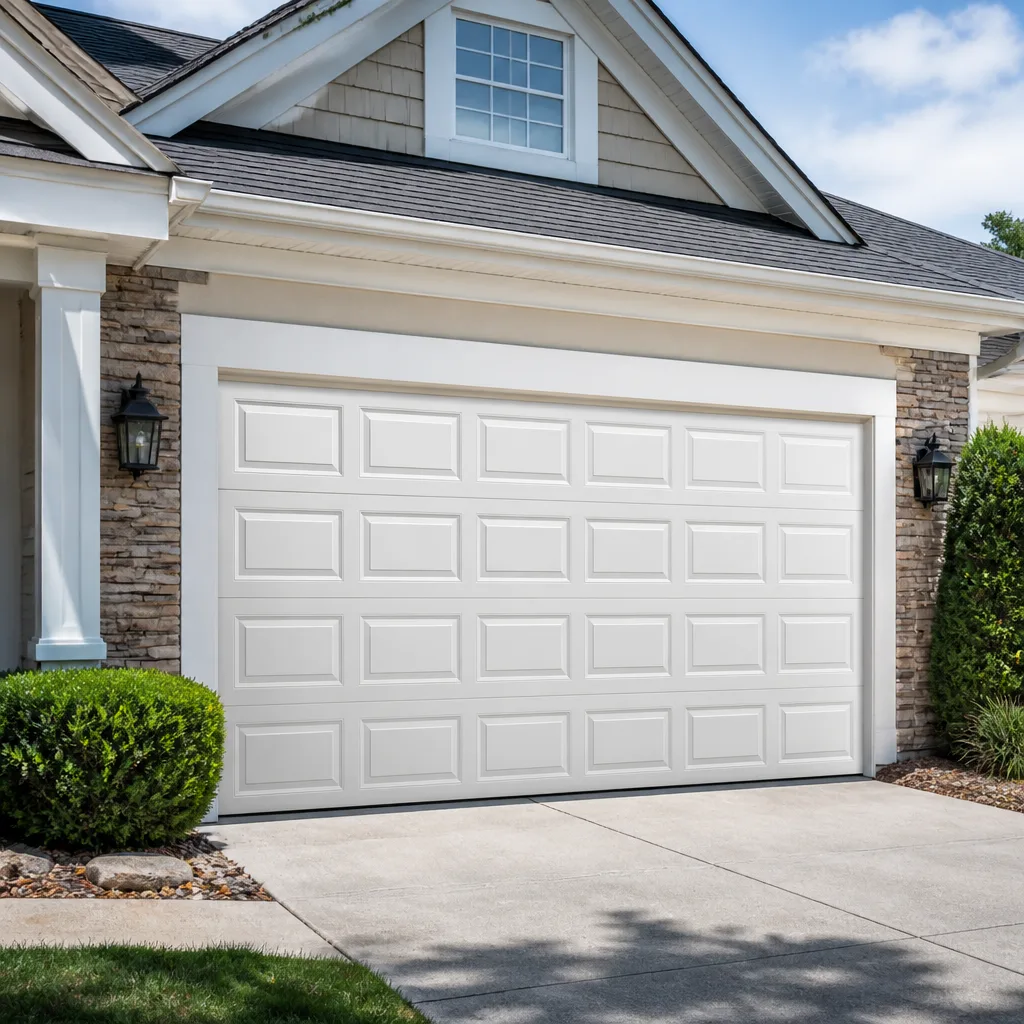 Raised-panel steel
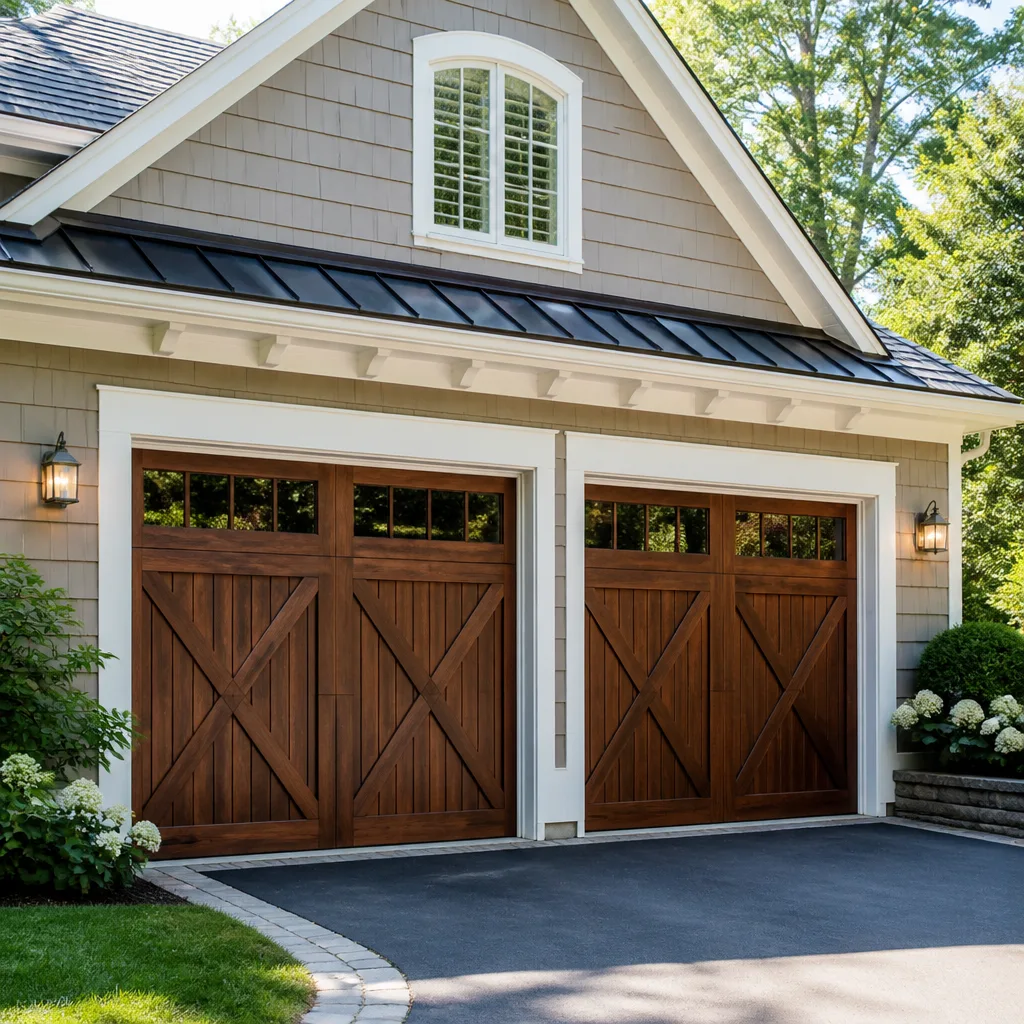 Carriage house
 Modern flush
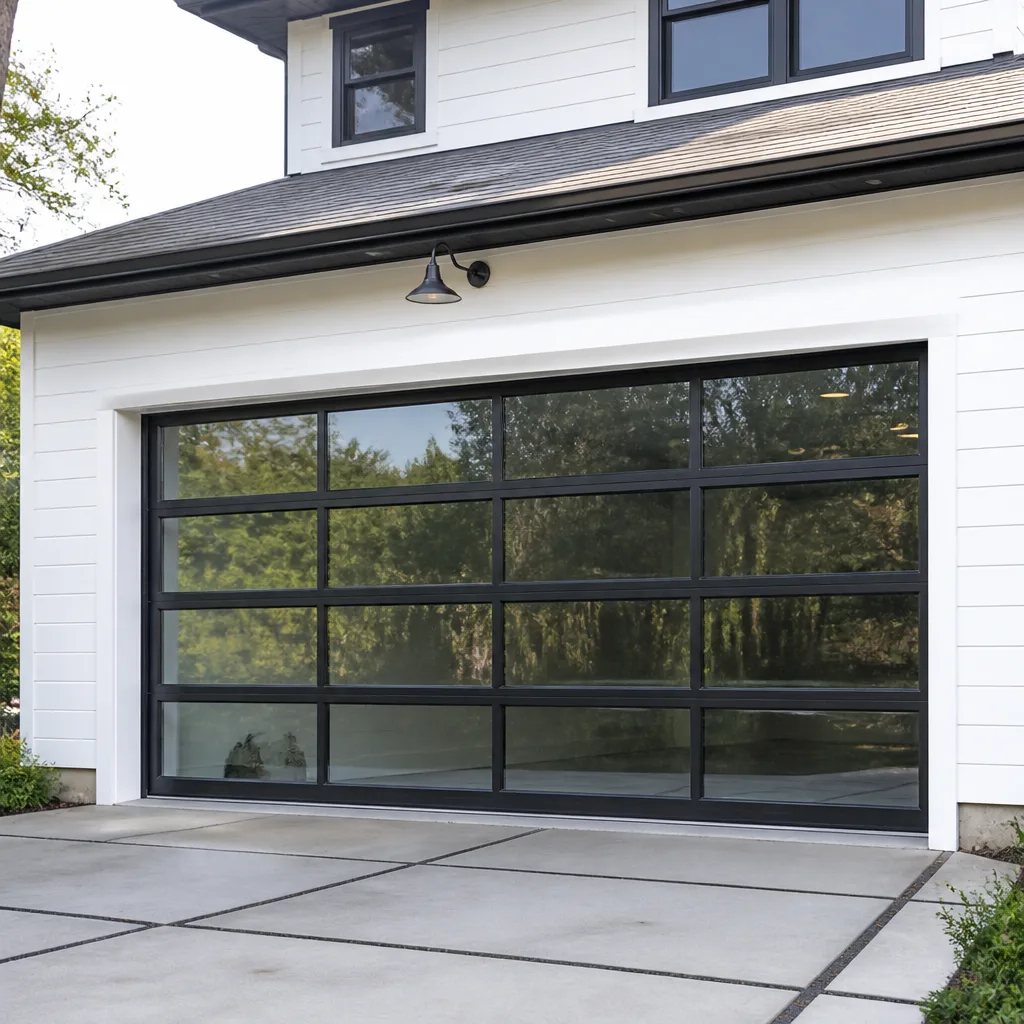 Full-view glass
 LiftMaster openers
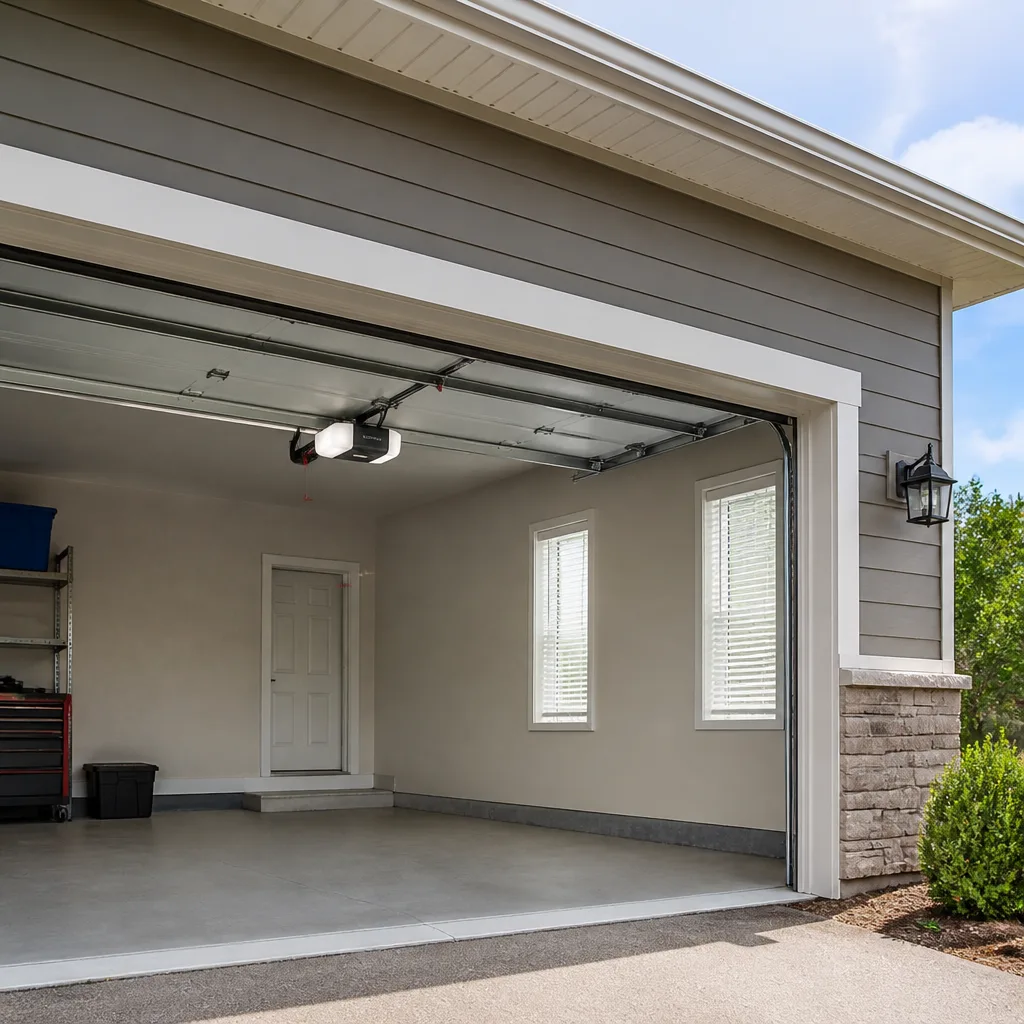 Chamberlain openers
Full 25-point door and opener safety check with every visit - springs, cables, rollers, tracks, and your LiftMaster or Chamberlain opener included
You get a price before we start. It does not change when the pro arrives.
Get your free estimateHow to Hire a Garage Door Contractor in Indianapolis: A Step-by-Step Guide
In Marion County, a contractor can legally work on your garage door with nothing more than a general handyman registration. That one fact changes how you should vet every quote you receive. A garage door is a heavy, spring-loaded system that moves hundreds of times a year, and the person who shows up to fix it may not have specialized in it a day in their life. Indianapolis has no shortage of generalists who list garage doors as a side service, which puts the burden on you to ask the right questions before anyone touches your door. This guide gives you a repeatable filter: what Indiana actually requires, how to verify a contractor in under two minutes, the three questions that separate specialists from generalists, and how to read a quote line by line so the price you agree to is the price you pay.
Quick Answer
To hire a garage door contractor in Indianapolis, verify the contractor’s state registration, confirm they specialize in garage doors rather than treating it as a side service, and insist on a written, itemized quote before any work begins. Ask which brands they work on and whether they handle both the door and the opener, then compare quotes on scope of work rather than headline price. The lowest bid is rarely the cheapest job once repeat visits are counted.
Styles & brands we work with
- Raised-panel steel
- Carriage house
- Modern flush
- Full-view glass
- LiftMaster openers
- Chamberlain openers
Table of Contents
- What Indiana Actually Requires of Garage Door Contractors
- How to Verify a Contractor in Under Two Minutes
- The Three Questions That Separate Specialists From Generalists
- Red Flags Specific to the Indianapolis Market
- How to Read a Garage Door Quote Line by Line
- Why the Lowest Bid in Indianapolis Costs More Later
- What Indianapolis Weather Does to Your Door
- Common Mistakes to Avoid
- When to Call a Professional
- Frequently Asked Questions
What Indiana Actually Requires of Garage Door Contractors
Indiana does not license garage door contractors under a dedicated trade license. A contractor can legally perform garage door work in Marion County with a general handyman registration, which means the phrase “licensed and insured” on a business card tells you less than you’d think. That’s the first thing to understand when you’re vetting quotes in Indianapolis.
What Indiana does have is a registration system. Home improvement contractors who take on jobs above a certain threshold generally need to register with the state under the Indiana Home Improvement Contracts Act, and that law also governs how a contract must be structured and what cancellation rights you hold. Registration is not the same as a trade certification. It doesn’t test anyone on spring tension, torsion systems, or opener force settings.
What this means for you:
- Ask for the state registration number and confirm it’s active. A registered contractor is accountable in ways an unregistered one is not.
- Ask for proof of general liability insurance and confirm the certificate names the work being done. If a contractor drops a door panel or damages your vehicle, insurance matters.
- Ask whether they carry workers’ compensation. If a helper is injured on your property and the contractor has no coverage, you don’t want to find out afterward whose problem that becomes.
- Ask what trade organizations or manufacturer training programs they’ve completed. Manufacturer familiarity, such as factory training on LiftMaster or Raynor systems, is voluntary and often the strongest signal of real specialization.
Indiana’s registration requirement is a floor, not a ceiling. A contractor can meet every legal minimum and still have never diagnosed a broken torsion spring in their life. The registration gets them through the door; the questions in the next sections tell you whether they should stay.
How to Verify a Contractor in Under Two Minutes
You can verify most of what matters before you schedule an appointment. Grab the business name and the registration number from their website or card, then work through these steps. Each takes seconds.
- Check the state registration. Indiana’s contractor registration lookup is public. Search the business name. If nothing comes up, ask them to clarify whether they’re registered as a home improvement contractor or operating under a different classification.
- Ask for the insurance certificate directly. A legitimate contractor can email a certificate of insurance the same day. If a three-week back-and-forth follows, that’s your answer.
- Look for a physical service area that makes sense. A business that lists a local address, a local phone exchange, and a service radius you can verify is easier to hold accountable than one whose only identifying feature is a toll-free number.
- Search the business name for complaints. Check the Indiana Attorney General’s consumer complaint database and your county’s court records. You’re looking for patterns, not one-offs.
- Confirm they work on your brand. Ask the question directly on the phone: “Do you service Clopay and LiftMaster?” A generalist may say yes to everything and then show up without the right parts.
Two minutes of lookup work and a short phone call will eliminate the majority of the contractors you’d rather not hire. What’s left is a short list worth getting quotes from. For a deeper look at how a specialty garage door company approaches both repair and replacement work, our Ironwood Garage Door Repair page covers the full scope.
The Three Questions That Separate Specialists From Generalists
You can tell a lot from the first phone call. The right three questions will tell you whether you’re talking to someone who works on garage doors every day or someone whose truck also carries a ladder, a pressure washer, and a tile saw.
Question 1: “What are the two failure modes you see most often on a door like mine?”
A specialist answers in specifics: broken torsion springs, worn rollers, bent tracks, stripped gears in the opener, frayed cables. A generalist gives you a vague answer about “the motor” or asks you to describe the noise three more times. Listen for whether the diagnosis is offered confidently before anyone has seen the door.
Question 2: “Which brands do you work on, and do you source parts for those brands directly?”
Garage doors and openers aren’t interchangeable. A LiftMaster opener and a Genie opener don’t take the same parts, and a Clopay panel has different measurements than an Amarr panel of similar style. A brand specialist can name what they work on. A generalist will source a universal part and hope it fits.
Question 3: “Do you handle springs, opener diagnostics, and new door installation under one company, or do you subcontract any of that?”
The full system matters: the door, the springs, the tracks, and the opener. If a technician handles springs but farms out opener diagnostics, you’re about to get handed off. The answer you want is that one company covers the whole arc, from spring replacement through smart opener programming. You can read more about that side of the work on our garage door opener repair page.
If the technician on the phone can answer all three questions clearly, you’re likely dealing with someone who has diagnosed the same problem dozens of times. That’s the standard that matters.
Red Flags Specific to the Indianapolis Market
Every market has its own patterns. In Indianapolis, the most common problem is a call center that books work under a local-sounding name and then dispatches a subcontractor from a list. You call, you get a dispatcher, and the person who actually shows up may not have been told what the problem is.
Here’s what to watch for:
- A national phone number with a local-sounding website. Out-of-state call centers often use a local vanity URL and a toll-free number. Ask where the dispatcher sits. If the answer is a different state, ask who actually performs the work.
- A “technician” who arrives in an unmarked vehicle and can’t produce credentials. Branded vehicles aren’t the only legitimate option, but a technician who can’t show a state registration or business card and whose vehicle has no identifying information is a subcontractor on the end of someone else’s dispatch chain.
- A quote given before the door is looked at. A phone quote is a range. A written quote should follow an on-site inspection. If the number never changes between the call and the visit, ask how they knew.
- Pressure to bundle. “While we’re here” add-ons can be legitimate, but if the quote for one repair turns into a pitch for a new door before anyone has diagnosed the original problem, walk it back.
- No written estimate before work begins. This is the biggest red flag on the list. The price must be quoted and agreed before the technician picks up a tool.
- Vague answers about brand compatibility. If a contractor can’t tell you whether they’ve worked on your specific brand before, they’re going to figure it out on your property.
What does a legitimate quote look like? It’s printed. It lists the parts and the labor separately. It has a name attached to the business and a registration number. And it matches the price you agreed to on the phone within a defensible range. For a broader view of what garage door repair involves in a market like this, the pattern of work is the same across neighborhoods from Broad Ripple to Irvington to Meridian-Kessler: springs and openers are the bulk of what gets fixed.
How to Read a Garage Door Quote Line by Line
A quote that spells out every line item protects you. A quote that gives you one bundled number does not. Most homeowners in Indianapolis only see two or three garage door quotes in their lifetime, so the structure of the document is easy to miss. Here’s what a well-built quote looks like, and what an estimate typically runs in the Indianapolis market in 2026.
| Line item | What to look for | Typical Indianapolis estimate |
|---|---|---|
| Service call / diagnostic | Should be stated clearly up front, if it’s charged at all. Ask before booking. | Included in the written estimate or disclosed separately |
| Spring replacement, single torsion spring | Parts and labor line item. Replacement is for one spring; a matched pair is usually replaced together for roughly twice the single-spring range. | $180 to $340 for a single spring |
| Extension spring, single spring | Slightly different hardware than torsion. Ask which type your door uses. | $150 to $290 for a single spring |
| Cable replacement | Should be separate from springs. Cables fray independently, and on garage doors they are under dangerous tension. | $120 to $250 per cable typically; ask whether both are being replaced |
| Opener repair / motor replacement | Labor and parts itemized separately. A chain-drive motor and a belt-drive motor are not the same price. | $150 to $400 for common opener repairs, depending on the failure |
| New opener installation | Should list the model, the drive type, whether a belt or chain is used, and whether the wall button and safety sensors are included. | $350 to $800 installed, depending on opener and existing wiring |
| Panel replacement | Panel cost varies by brand. A Clopay panel and an Amarr panel with the same style can price differently because panel profiles differ. | $200 to $600 per panel depending on brand and style |
| Roller and hinge kit | Standard items on a full tune-up. Ask whether the kit is included in a repair or added. | $100 to $200 for the kit installed |
What a legitimately itemized quote contains:
- Parts listed by name and brand or part number. Not “spring kit” or “hardware.” If you’re paying for a spring, it should say which size, which cycle rating, and which tension.
- Labor as a separate line. Labor varies by scope: a spring swap and a full opener replacement don’t take the same time, so the labor line shouldn’t be the same either.
- Any door balance or safety-reverse test included in the price. If those aren’t listed, ask whether they’re part of the job. A balanced door and a functioning safety reversal are the two things a repair has to leave correct.
- A clear statement that the price is fixed for the scope described, and that any additional work is quoted and approved before it starts.
- A name and registration number on the document. A quote without a business name attached is not a contract.
What to be skeptical of:
- One bundled number for the whole repair. Bundling makes the quote easier to read but hides the difference between a $50 part and a $300 part. Ask for it broken out.
- Parts described only in vague terms. “Premium spring” doesn’t say anything. Cycle rating is what distinguishes a spring that lasts years from one that fails in months.
- Quotes that include work you didn’t ask for without a separate line and a clear justification. A good contractor will flag something worn and quote it separately – not fold it into the total.
- Estimates that don’t include the repair’s diagnostics. If the technician diagnoses and repairs but the quote only mentions the repair, ask whether diagnostics are billed separately.
One more thing worth asking: whether the repair leaves the safety-reverse test performed and confirmed. Garage door openers in the U.S. are required to have an auto-reverse feature under UL 325. If your opener was installed before 1993, it may not have one, and any repair should leave that system functioning properly. The price you agree to before work begins should be the price you pay, with the written estimate setting the final number.
Why the Lowest Bid in Indianapolis Costs More Later
The lowest bid you receive in Indianapolis is the one most likely to send you back to your phone within 90 days. That’s the pattern. It isn’t a guarantee, but it’s a pattern worth understanding before you compare quotes on a spreadsheet. Three things cause it.
First, the parts. A spring is not a spring. A cheaper quote often means a lighter cycle rating – the number of cycles a spring is rated for before failing. A lower-rated spring is cheaper to buy and cheaper to quote, and it’s also the spring that will snap sooner. On a door that’s used several times a day, a lighter spring doesn’t save you money; it schedules the next repair in advance.
Second, the diagnosis. A cut-rate quote often prices the visible symptom rather than the actual cause. A door that’s noisy and stuck might be a worn roller, a bent track, or a failing opener. If the technician replaces the roller and the track was the problem, the door keeps failing. Missed diagnosis turns into a callback or a second full service visit, and by then you’ve spent more than the specialty quote would have cost.
Third, the wrong parts for the brand. A generalist buying a universal replacement for a Craftsman opener or a Raynor panel may not get a fit. The door works for a while, then grinds, then fails. A brand specialist knows the fit before the truck rolls.
None of that means the highest bid is automatically the best. It means the bid should be assessed against the scope, not against the other numbers. If you’re comparing two quotes and one is 40 percent lower, look at three things first: the spring’s cycle rating, whether a balance and safety test are included, and whether the quote is itemized. If those three are thin, the lower bid is a lower bid on less work.
If you’re already in the cycle of failed repairs, a specialist assessment is often cheaper than another low bid. Our garage door repair team exists for exactly that situation. Call (844) 834-1874 and we’ll get it diagnosed correctly the first time. We answer 24/7. Fast dispatch from 7am to 7pm, Sunday through Friday.
What Indianapolis Weather Does to Your Door
Garage doors in central Indiana go through a wider temperature swing than most homeowners realize. Hot summer days and single-digit winter mornings expand and contract the metal. Wood sections swell and shrink. Rollers develop flat spots. Springs lose tension slowly and then jump the track or snap in the worst of it.
Here’s what tends to happen in this climate:
- Winter cold makes springs brittle. A torsion spring under tension fails more easily in low temperatures, which is why a frozen morning often ends with a door that won’t open. The spring isn’t the only possible cause – the door could also be frozen to the seal – but the spring is the one that produces a loud snap and a door that won’t lift.
- Summer heat warps cheaper panels. Panels with thinner gauges and no insulation flex more in a sun-baked driveway. A single panel that warps out of plane makes the door bind along the track.
- Freeze-thaw cycles affect the slab. Water under the door at the threshold can freeze and cause the weather seal to tear. That’s an easy fix on its own, and a sign to check the rest of the door.
- Wind events move the tracks. A settled foundation or a storm that pushes on the door can knock the tracks out of alignment. A door that rubs on one side is usually a track issue, not an opener issue.
If you’re comparing a repair quote during a cold snap, ask the technician directly whether the spring being installed has a cycle rating suited to your use. A garage door that opens twice a day wears very differently than one with a family coming and going constantly. The right answer isn’t always the highest rating – it’s the one the technician can defend line by line.
Common Mistakes to Avoid
- Assuming “licensed and insured” means trade-licensed. Indiana doesn’t have a dedicated garage door trade license. “Licensed” often means state-registered as a home improvement contractor, which is worth having but doesn’t prove anyone was tested on springs or openers. Ask for specifics.
- Hiring the first quote because it’s available today. Speed is a legitimate factor if your car is trapped in the garage. But scheduling pressure is also how a generalist gets your job before a specialist sees it. If the door is safe, get one more quote.
- Accepting a bundled price for the whole repair. One number hides whether the door’s problem is a $40 roller or a $300 opener. Ask for parts and labor separately before you say yes.
- Letting the technician replace one spring when the pair is worn. If your door has two matched torsion springs, they wear together. Replacing one leaves the second ready to fail – ask whether a pair replacement is the right call and get the price for both.
- Skipping the post-repair safety test. Any garage door repair should leave the door balanced and the auto-reverse function tested. If a technician packs up without either, ask for it before they leave.
- Not asking what happens if the repair doesn’t fix the problem. A specialty contractor is confident enough to explain what a return visit would cost or that it wouldn’t be charged. Ask up front.
- Choosing a new door quote before knowing your opener’s condition. A new door on a failing opener gets noisy fast. Ask the contractor to quote the opener state as part of the door replacement conversation.
When to Call a Professional
Some garage door issues are a nuisance. Others are a safety problem. Call a professional when you hear a loud snap from above the door, when the door lifts unevenly or comes off the track, or when the door gets stuck partially open and won’t move in either direction. A broken torsion spring or a frayed cable is under extreme tension, and attempting to adjust either is how serious injuries happen – the spring and cable work on a garage door is not a homeowner repair. A professional also carries the right tools, the right replacement parts for your brand, and the liability coverage if something goes wrong. If the door opens but the opener reverses on its own, or the wall button only works intermittently, that’s a diagnostic job, not a visual one. Ironwood Garage Door Repair offers free estimates in Indianapolis, and we work on LiftMaster, Chamberlain, Genie, Clopay, Amarr, Wayne Dalton, Craftsman, and Raynor systems. Call (844) 834-1874. We answer 24/7. Fast dispatch from 7am to 7pm, Sunday through Friday. Our technicians have up to 9 years of experience, and garage doors are all we do.
Frequently Asked Questions
Garage door spring repair in Indianapolis typically costs $180 to $340 for a single torsion spring and $150 to $290 for a single extension spring, including parts and labor. Most two-spring doors are replaced as a matched pair, which runs roughly twice those ranges. The written estimate sets the final price and is quoted and agreed before any work begins. Call (844) 834-1874 for an exact quote – estimates are free.
Indiana doesn’t have a dedicated garage door trade license. A contractor can legally perform garage door work in Marion County under a general handyman registration. What you can and should verify is active state registration as a home improvement contractor, proof of general liability insurance, and workers’ compensation coverage. Manufacturer training, such as factory familiarity with LiftMaster or Craftsman systems, is voluntary and often a stronger signal of specialization than the licensing label itself.
Same-day repair is often possible for common failures like a broken spring, a frayed cable, or an opener that won’t respond. When you call, describe the symptom and where the door is stuck, and we’ll tell you honestly what’s available. We answer 24/7, and dispatch runs 7am to 7pm, Sunday through Friday. Call (844) 834-1874.
The written estimate is the price. A quote given over the phone is a range until the door is inspected, but once the technician inspects and issues a written estimate, that number is what you pay for the scope described. If additional work turns up – a cracked panel, a failing opener – it gets quoted and agreed separately before any tool is picked up. Ask for the estimate in writing and keep it.
The clearest signs are a toll-free number on a locally styled website, a dispatcher who can’t tell you which technician is coming, and a technician who arrives in an unmarked vehicle without a business card or registration. Ask two questions on the phone: where is dispatch located, and who performs the work. If the answer is a different state and “a local partner,” you’re dealing with a lead service, not a garage door company.
Low bids usually cut the parts, the diagnosis, or the fit. A lighter spring, a universal part on a brand-specific opener, or a repair that misses the actual cause all lead to repeat visits within months. Compare quotes on cycle rating, whether a balance and safety test are included, and whether the quote is itemized. A higher bid on more work is not the same as an expensive bid. Call (844) 834-1874 for a written estimate you can compare line by line.
If the panels are structurally sound and the door is balanced, a failing opener is usually the only problem. If the panels are warped, rusted through, or delaminating, or if the door is unbalanced even with the opener disconnected, the door itself may need replacement. A technician can test both within the same visit. Our garage door opener repair team handles the diagnostic side; a full replacement quote is separate and never pushed before the original issue is diagnosed.
The Bottom Line
Hiring a garage door contractor in Indianapolis comes down to four filters: verify the state registration and insurance, confirm the contractor specializes in garage doors rather than treating it as a side service, ask the three questions that separate specialists from generalists on the first call, and insist on an itemized written quote before any work begins. The lowest bid is the one most likely to send you back to the phone in 90 days. Compare quotes on scope, cycle rating, and whether the safety-reverse test is included. If a quote is thin on any of those, the number is thin on the work. And if a spring snaps or a cable frays, don’t touch it – those parts are under dangerous tension and belong to a trained technician. For a free written estimate from a company that works on nothing but garage doors, call (844) 834-1874. We answer 24/7. Fast dispatch from 7am to 7pm, Sunday through Friday.
Written by the team at Ironwood Garage Door Repair.
See the difference
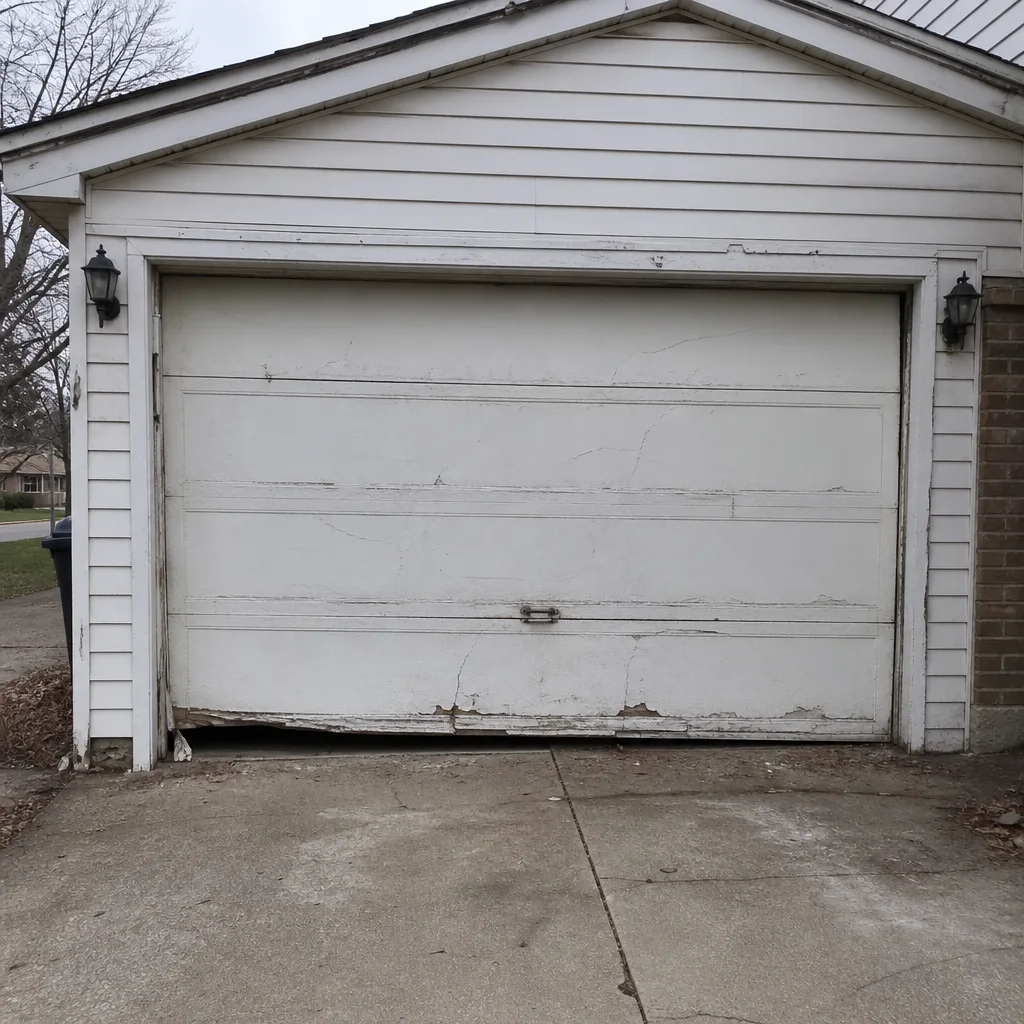 Before
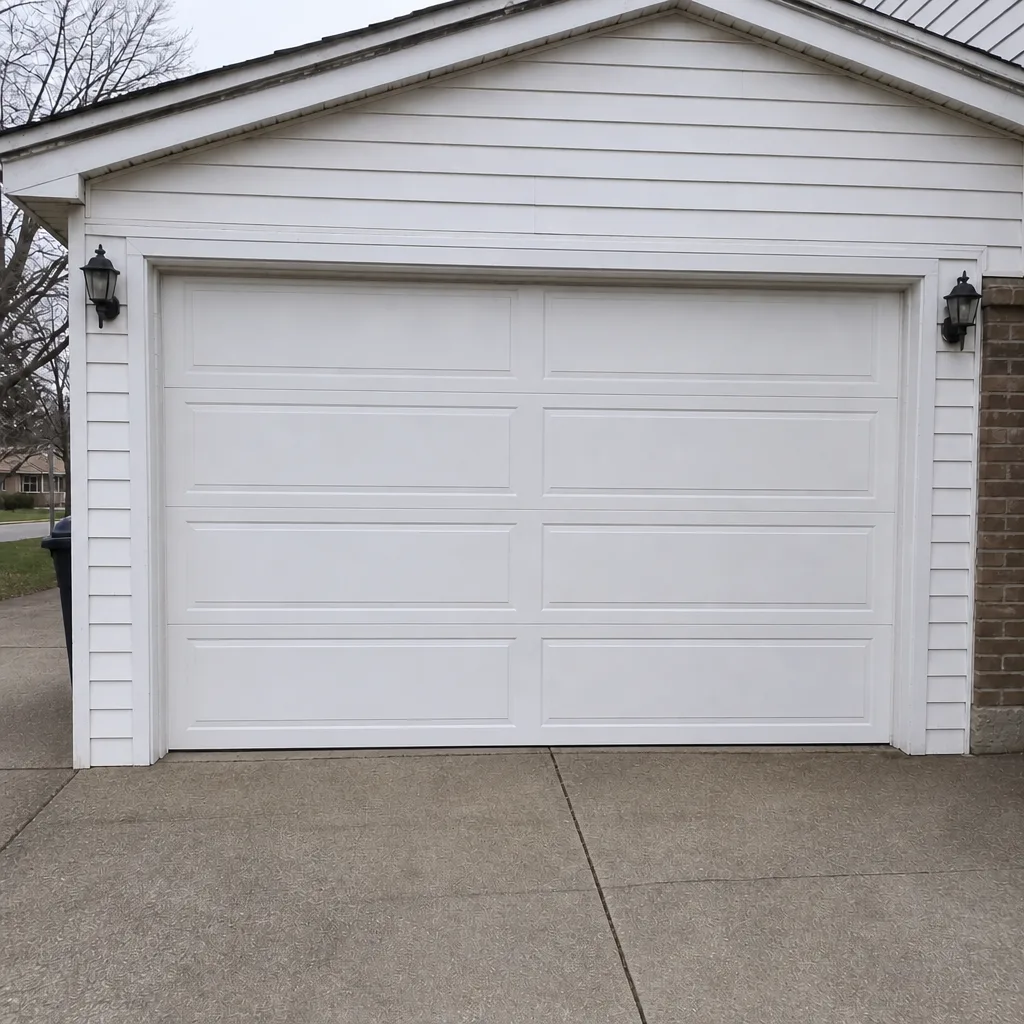 After
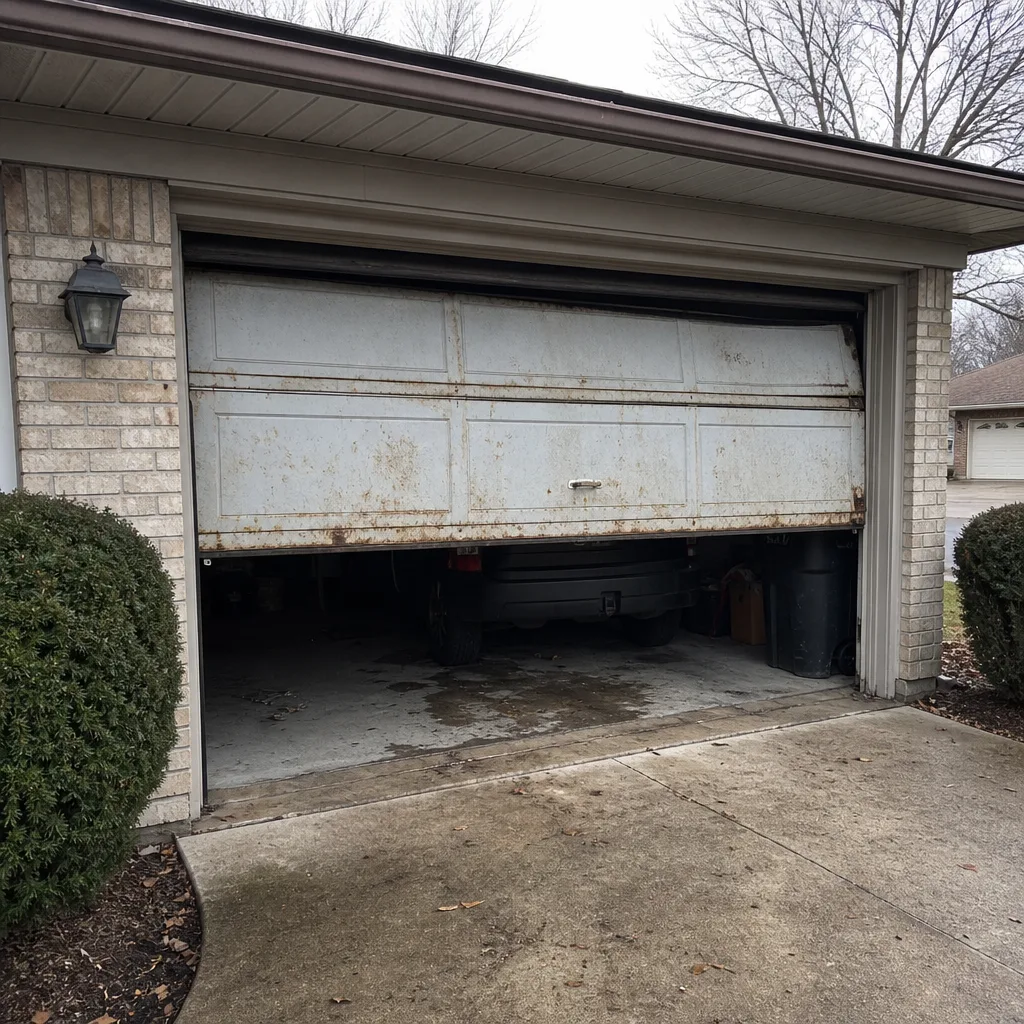 Before
 After
 Before
 After