
Last updated November 15, 2026
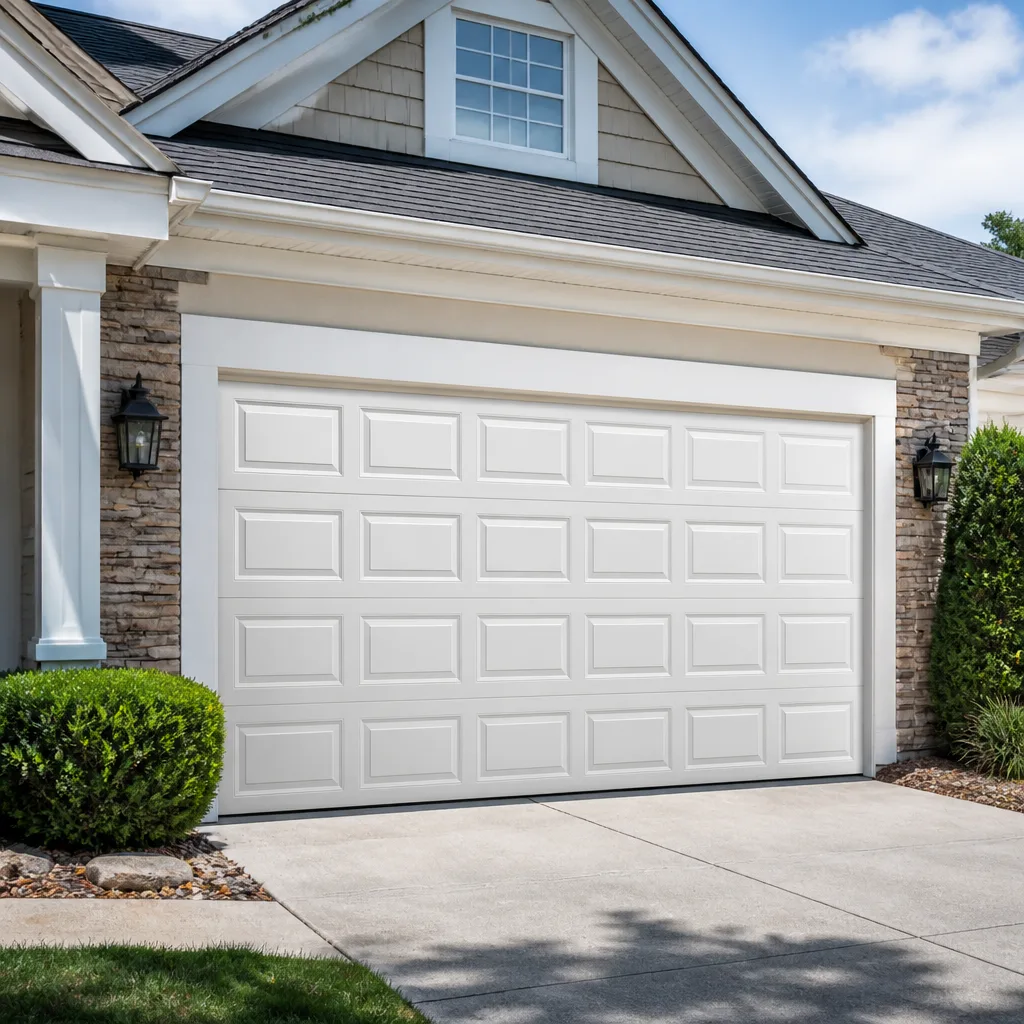 Raised-panel steel
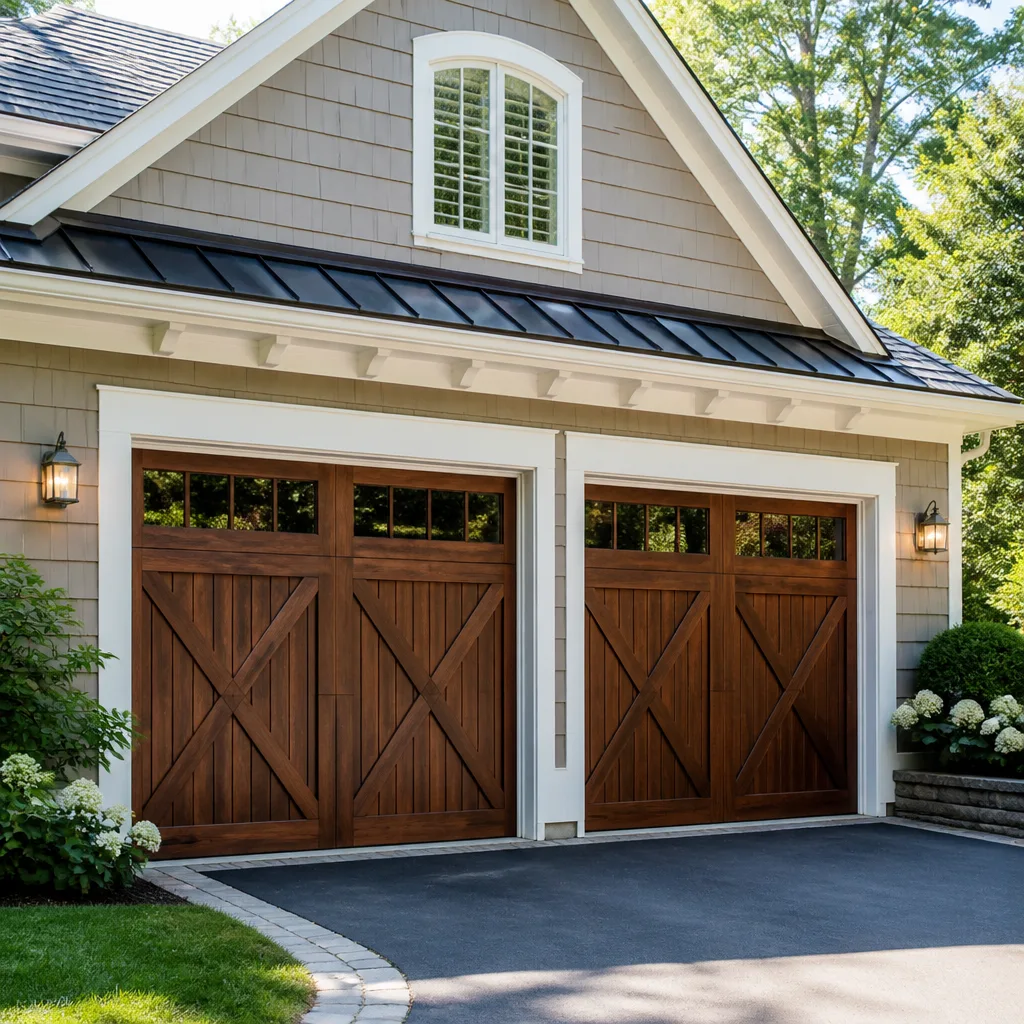 Carriage house
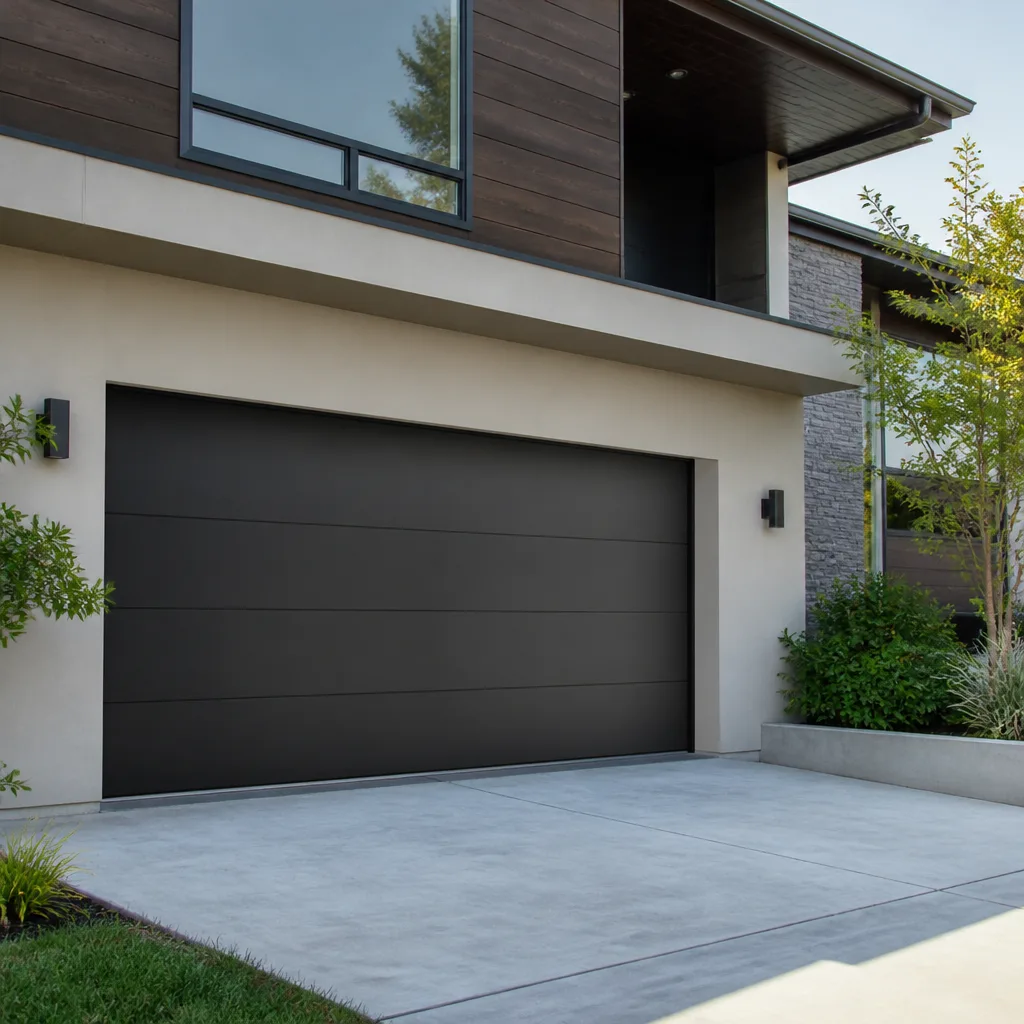 Modern flush
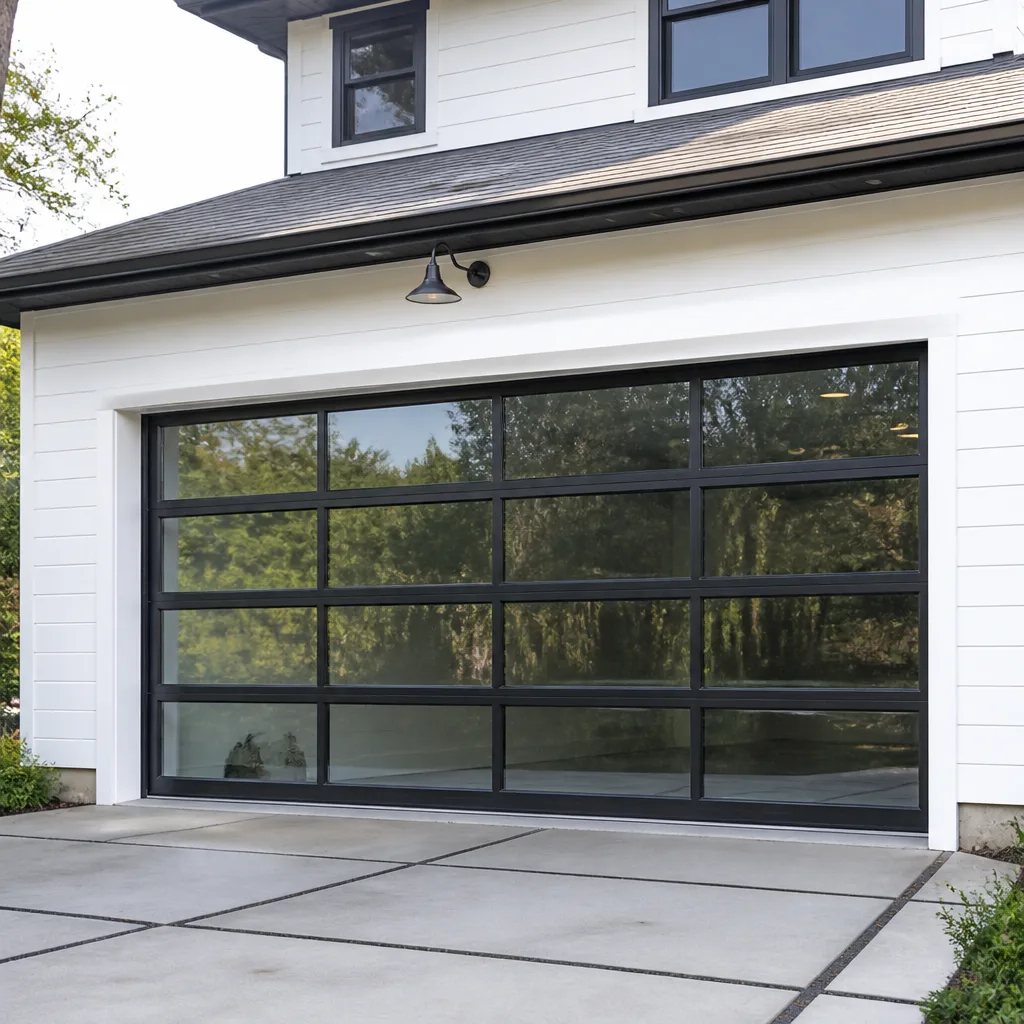 Full-view glass
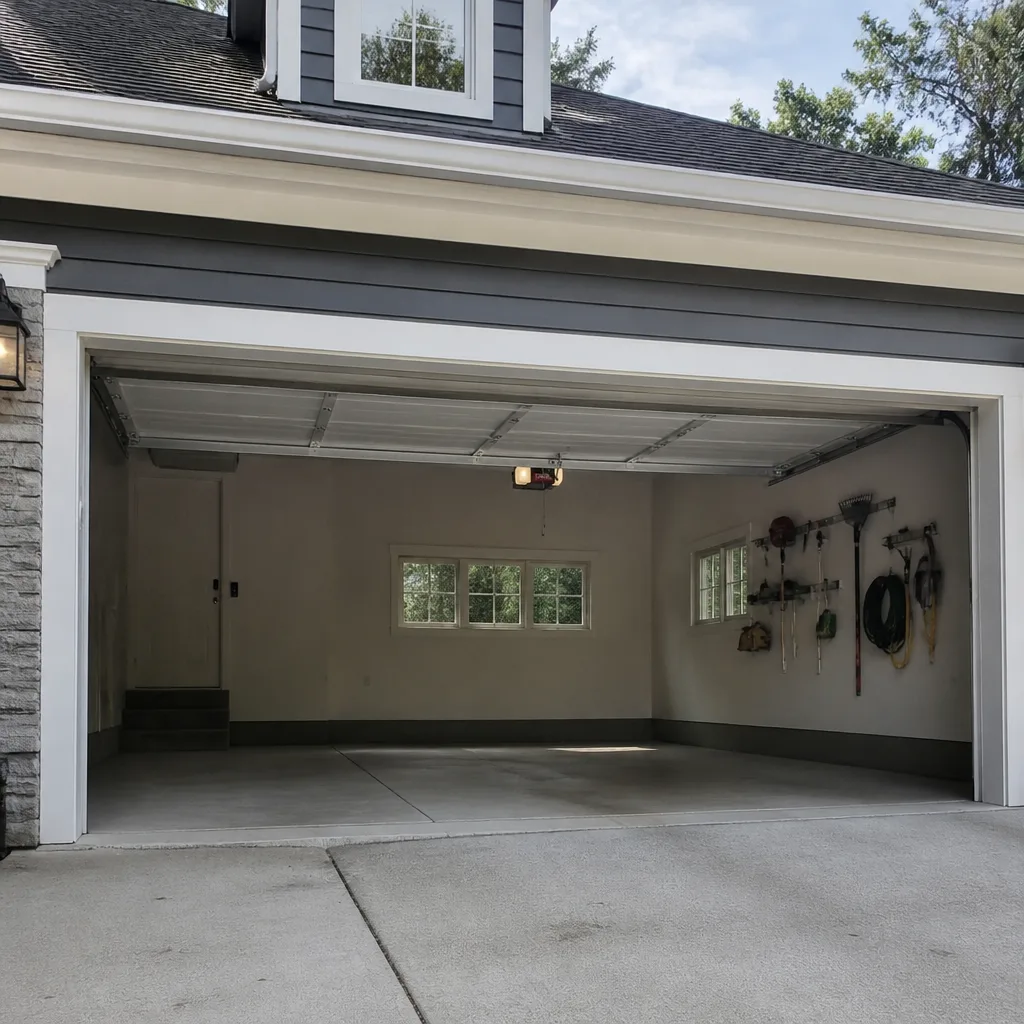 LiftMaster openers
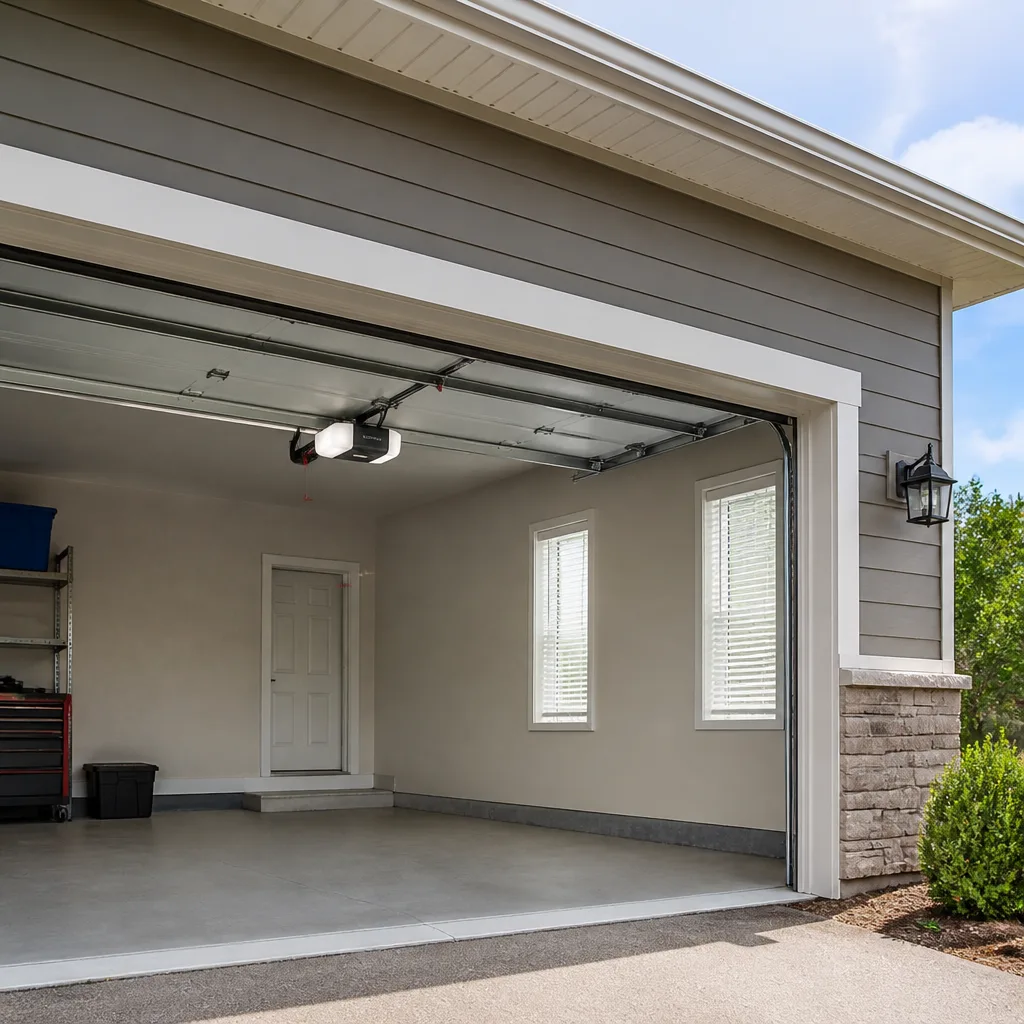 Chamberlain openers
Full 25-point door and opener safety check with every visit - springs, cables, rollers, tracks, and your LiftMaster or Chamberlain opener included
You get a price before we start. It does not change when the pro arrives.
Get your free estimateSeasonal Garage Door Care for Indianapolis: Year-Round Homeowner’s Guide
Spring is when garage doors around Indianapolis fail most often. Not because winter broke them, but because winter hid the damage and spring exposed it. As the ground thaws in March and April, soil shifts, thresholds settle, and a door that ran quietly all winter starts scraping, binding, or refusing to close flush. Most homeowners blame the last cold snap. The real culprit is usually something that loosened or wore down quietly between October and February.
Indianapolis gives a garage door four distinct seasons to survive, and each one stresses a different part. This guide breaks the year into those windows – fall prep before the first hard freeze, the winter salt problem, the spring ground shift, and summer heat on the opener electronics – plus the one maintenance check that should only happen in a stable-temperature month. Read it in order or jump to the season you’re in.
Quick Answer
Garage door maintenance in Indianapolis follows the season, not a single annual checklist. Prep the door before the first hard freeze (typically mid-November), watch for road salt and brine creeping into the bottom panel through winter, expect threshold and track movement as the ground thaws in March and April, and check opener electronics in summer when un-air-conditioned garages get hot. Torsion spring tension is best checked in a stable-temperature month like May, June, or September, never during a freeze or a heat wave.
Styles & brands we work with
- Raised-panel steel
- Carriage house
- Modern flush
- Full-view glass
- LiftMaster openers
- Chamberlain openers
Table of Contents
- Why Indianapolis Seasons Each Break a Different Part
- Fall: What to Do Before the First Hard Freeze
- Winter: How Road Salt Attacks from the Inside
- Spring: Freeze-Thaw Ground Movement and Track Misalignment
- Summer: Heat and Opener Electronics
- The Torsion Spring Check: Why Timing Matters
- A Month-by-Month Indianapolis Checklist
- Common Mistakes to Avoid
Why Indianapolis Seasons Each Break a Different Part
Indianapolis sits in a climate that swings hard. Summers push the mid-90s. Winters drop into single digits and stay there for stretches. The freeze-thaw cycle in between does the most damage, and it hits the parts of a garage door that are hardest to see. A generic “service your door once a year” reminder misses the point: the timing of each check is the whole game.
Think of the door as two systems bolted together. The mechanical side – springs, cables, tracks, hinges, rollers, the bottom seal – carries the weight and lives with the concrete and the weather. The electrical side – the opener motor and its logic board – lives with temperature and dust. The seasons hit them differently.
- Fall stresses the bottom seal and weatherstripping as temperatures drop and seals stiffen and shrink.
- Winter stresses the bottom panel, hinges, and fasteners through road salt and brine tracked in on the car.
- Spring stresses the tracks and threshold as the ground under the slab moves.
- Summer stresses the opener logic board and motor as garage temperatures climb well above outdoor air.
- Year-round the torsion spring quietly carries the full door weight and is the single part most likely to let go with no warning.
When you know which part is under load in which month, maintenance stops being guesswork. It becomes a schedule. That’s how we approach every door we look at, whether it’s a Clopay steel raised-panel on a newer build or a Raynor unit on an older Indianapolis home. Garage doors are all we do, so the calendar matters to us as much as the repair.
Fall: What to Do Before the First Hard Freeze
In Indianapolis, the first hard freeze typically arrives mid-November. Once the ground and the door hardware lock up, small problems that would have been a quick adjustment become jobs you can’t safely skip. Fall prep is about finishing every fix before the cold sets in.
Here’s the pre-winter routine we’d recommend running through before that freeze:
- Test the balance of the door. Disconnect the opener and lift the door halfway by hand. A balanced door stays put. If it drifts down or feels heavy, the springs are losing tension and need attention before they’re under winter load.
- Look at the bottom seal and weatherstripping. Cold stiffens rubber. A cracked or flattened seal lets in drafts, snow, and – the big one – road salt spray. Replace it before it fails, not after.
- Check every hinge and roller. Worn rollers and loose hinges rattle more in cold. Tighten fasteners and replace rollers that wobble.
- Lubricate the moving parts. A garage-door-rated lubricant on hinges, rollers, and the torsion shaft reduces strain when the metal contracts. Skip the bottom of the tracks and the spring coils themselves.
- Inspect the tracks for alignment. Run the door up and down and watch for any catching. A track that’s off now will bind hard once the cold shrinks the frame.
- Test the safety reverse. Put a small object in the door’s path and confirm it reverses on contact. Test the photo-eye sensors too.
Do this in October or early November, while temperatures are still workable and any adjustment holds through the winter. For a door that’s already giving you trouble, our garage door repair service handles the fixes that shouldn’t wait for spring. Our technicians have up to 9 years of experience and can tell you in one visit which parts will hold through the freeze and which won’t.
Winter: How Road Salt Attacks from the Inside
Indianapolis winters come with road salt and, on the interstates and main arteries, liquid brine. You’d expect that to attack the outside of a door. It usually doesn’t. The real damage happens inside an attached garage, where wet, salt-laden slush drips off the car and dries onto the door’s bottom panel, hinges, and lower tracks – day after day, all winter.
Salt and brine are corrosive to the galvanized steel and painted finish most doors are built with. The inside face of the bottom panel is where you see it first: bubbling paint, rust creeping out from the seams, and corrosion around the hinges and the bottom bracket. Left alone for a couple of seasons, that rust eats through, and what started as a spot becomes a replaced bottom section.
What we tell homeowners to do about it during winter:
- Rinse the inside face of the door periodically. A quick rinse with plain water, followed by a dry cloth, clears salt film before it bonds to the finish. Do it when the temperature is above freezing so you’re not adding ice.
- Keep a mat or drip tray where the car parks. It won’t catch everything, but it cuts the volume of salty water that reaches the door area.
- Wipe the bottom bracket and hinges dry after a heavy snow if the door is exposed to the car’s slush line.
- Watch the bottom seal for trapped salt. Salt collects in the folds, holds moisture, and quietly rusts the steel right above it.
If you spot rust starting on the bottom panel, get it addressed before spring. A small touch-up or a replaced bottom section in winter is far less work than the rot that spreads all summer. Doors from Clopay, Amarr, and Wayne Dalton all use similar steel construction at the bottom of the door, so the salt problem is universal – it doesn’t matter which brand you have. For a stuck or rusted door you can’t safely move, call (844) 834-1874 – we answer 24/7, and fast dispatch from 7am to 7pm gets a technician out to look.
Spring: Freeze-Thaw Ground Movement and Track Misalignment
This is the highest-risk window of the year in Indianapolis. From March through April, the ground thaws and refreezes, sometimes several times a week. The concrete slab that the garage floor and the door’s tracks are mounted to moves with it. The door frame shifts. The threshold settles. The tracks, which have to stay perfectly parallel, get pushed out of line.
Symptoms show up fast. The door scrapes on the way down. It binds partway. It starts closing with a gap at one corner or the bottom. The opener strains because the door is fighting friction. None of this is a motor problem. It’s geometry, moved by the thaw.
What to check in spring:
- Look down the tracks. Stand back from the door and sight along the vertical track. It should be straight and parallel to its twin. A visible bend or a gap at the bottom is a track-alignment issue.
- Feel for the seal gap. With the door closed, run your hand along the bottom. A draft or a visible sliver of daylight means the door isn’t meeting the threshold – often because the slab settled.
- Listen for new noises. Grinding, popping, or a rhythmic scrape points to a roller, track, or hinge that has shifted.
- Confirm the safety reverse. A misaligned door can miss the safety sensors or fail the reverse test. Re-test after any change in the door’s motion.
Spring is also when homeowners notice the problems that built up quietly since October. A loose hinge you meant to tighten in December is now a wobbly roller. A seal crack from fall is now a gap. If you find a bent track or a door that binds, don’t force it. That tracking down of small, accumulated issues is what our Ironwood Garage Door Repair team specializes in – diagnosed correctly the first time, not patched and called repaired.
Summer: Heat and Opener Electronics
Indianapolis summers run hot, and an attached garage with no air conditioning runs hotter than the outdoor air. On a 95-degree day, the inside of a closed garage can climb well past that. That heat is where opener electronics start to misbehave – not because they’re failing, but because logic boards and motors have temperature limits.
We see this pattern most in July and August. A door that worked all spring suddenly won’t open from the remote. The opener clicks but doesn’t move. The wall control works but the remote doesn’t. Occasionally a door reverses on its own with no obstruction. These are classic heat symptoms on the opener rather than the door, and they hit every brand – Craftsmann, LiftMaster, Chamberlain, Genie and the rest have the same underlying issue: a hot board does strange things.
What to do when summer heat is the suspected cause:
- Check the temperature inside the garage. If it’s substantially hotter than the outdoor air, that’s your first clue. Crack a window or vent the space if possible.
- Reset the opener. A power cycle clears a temporary board lockup and is often enough. If it doesn’t, the problem is real.
- Confirm the safety reverse and photo-eyes. Heat can affect the sensor alignment. Clean the lenses and check alignment.
- Test with the door fully disconnected. If the door balances easily by hand but the opener won’t move it, the fault is in the opener, not the door.
If the opener keeps failing in heat, it’s worth a proper diagnosis rather than a reset-and-hope. Our garage door opener repair service covers the full range of brands, including the smart lift systems on newer homes. Get it looked at before the heat wave settles in for the season.
The Torsion Spring Check: Why Timing Matters
The torsion spring is the single most important part you don’t see. It’s mounted on a shaft above the door, and it carries the full weight of the door so the opener only has to guide it. When it fails, it fails loudly, and it’s the part most likely to hurt someone if a homeowner tries to adjust it. This is the one check where timing genuinely matters – and where the safest move is to have a professional do it.
Why timing? Metal expands and contracts with temperature, and a spring’s tension is measured in the cold or the heat you happen to be standing in. Checking or adjusting a torsion spring during a hard freeze or a summer heat wave gives you a false reading. The measurement is off, the adjustment is off, and the door can end up over-tensioned or under-tensioned. In Indianapolis, the stable-temperature windows are May, June, and September. That’s when a proper spring tension check makes sense.
A trained professional can also spot the signs a homeowner can’t: uneven coil gaps, wear at the end of the spring, or a shaft that’s no longer level. A torsion spring failure is genuinely dangerous – the spring is under extreme tension and can release suddenly – so the spring itself is not a do-it-yourself item. Have it inspected and adjusted by a trained technician, and don’t run the door if you suspect a spring is failing.
If you’re not sure when your springs were last checked, or if your door has become heavy or slow, a spring inspection is a good reason to call. Call (844) 834-1874 for a free estimate. We answer 24/7. Fast dispatch from 7am to 7pm, Sunday through Friday.
A Month-by-Month Indianapolis Checklist
If you want a schedule you can actually keep, this is it. The tasks are small. The point is doing them at the right time of year for Indianapolis conditions.
October: Do the full pre-winter inspection from the fall section. Test door balance, replace worn seals, tighten hinges, lubricate moving parts.
November (before the first hard freeze): Finish any adjustment that needs to hold through winter. Confirm safety reverse and photo-eyes.
December through February: Rinse the inside face of the door after heavy snow or slush. Wipe the bottom bracket dry. Watch for rust on the bottom panel.
March through April: Sight the tracks for misalignment. Check the threshold gap. Re-test the safety reverse. Don’t force a binding door.
May: Have a professional check the torsion spring tension in stable temperatures. Also a good time for a full annual service.
June through August: Watch the opener for heat-related symptoms. Vent the garage if it gets significantly hotter than outdoor air. Reset and re-test the opener if it acts up.
September: Second stable-temperature window. Good time to check springs again, tighten the door, and prep for fall.
Add a quick visual check every month – the seal, the hinges, the tracks, the safety reverse – and you’ll catch most problems before they become repairs. For a door that’s due for a proper look, our Indianapolis service covers the full door system, springs to smart openers.
Common Mistakes to Avoid
- Treating maintenance as a once-a-year chore. Indianapolis doors face four different stressors across the year. A single annual tune-up misses the winter salt window and the spring ground-shift window entirely.
- Adjusting a torsion spring in the cold or the heat. Temperature changes the reading. Wait for a stable month like May, June, or September – and let a trained technician handle the spring, not a homeowner with a wrench.
- Waiting for winter to rust before addressing salt. By the time rust shows through the paint, the steel underneath is already compromised. Rinse the inside face of the bottom panel during winter, before the damage sets.
- Ignoring a track that’s slightly out of line after spring thaw. A small misalignment in April becomes a bent track and a strained opener by June. Sight the tracks in spring and fix small shifts early.
- Assuming a summer opener failure means a replacement. Heat-related opener lockups are often a reset or a small fix, not a new unit. Diagnose before replacing – especially with a LiftMaster or Chamberlain unit that’s just a few years old.
- Forcing a door that binds. If the door scrapes or won’t close, the track, seal, or spring needs attention. Force it and you risk stripping the opener gear or bending a track.
- Replacing a panel when the problem is the seal. Salt and moisture damage usually starts at the bottom seal. Address the seal and the drain before paying for a new panel.
See the difference
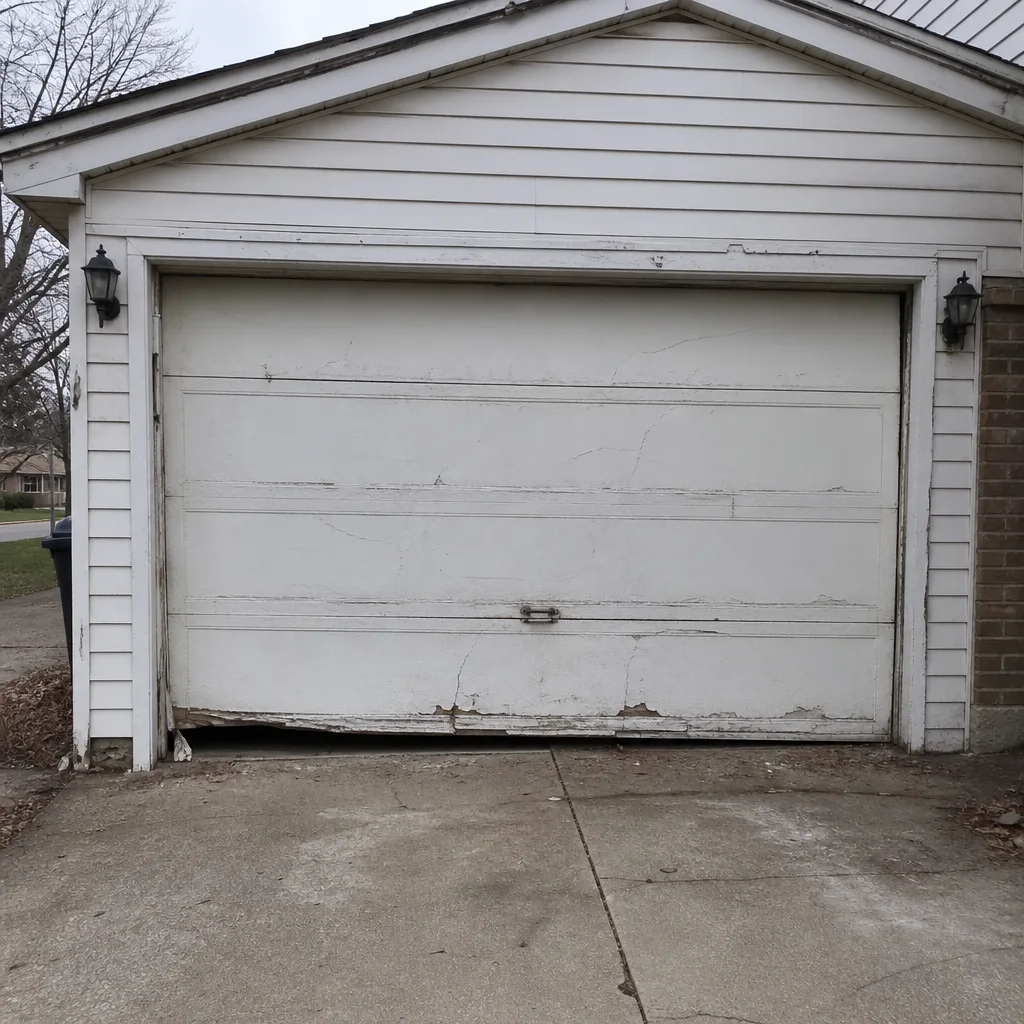 Before
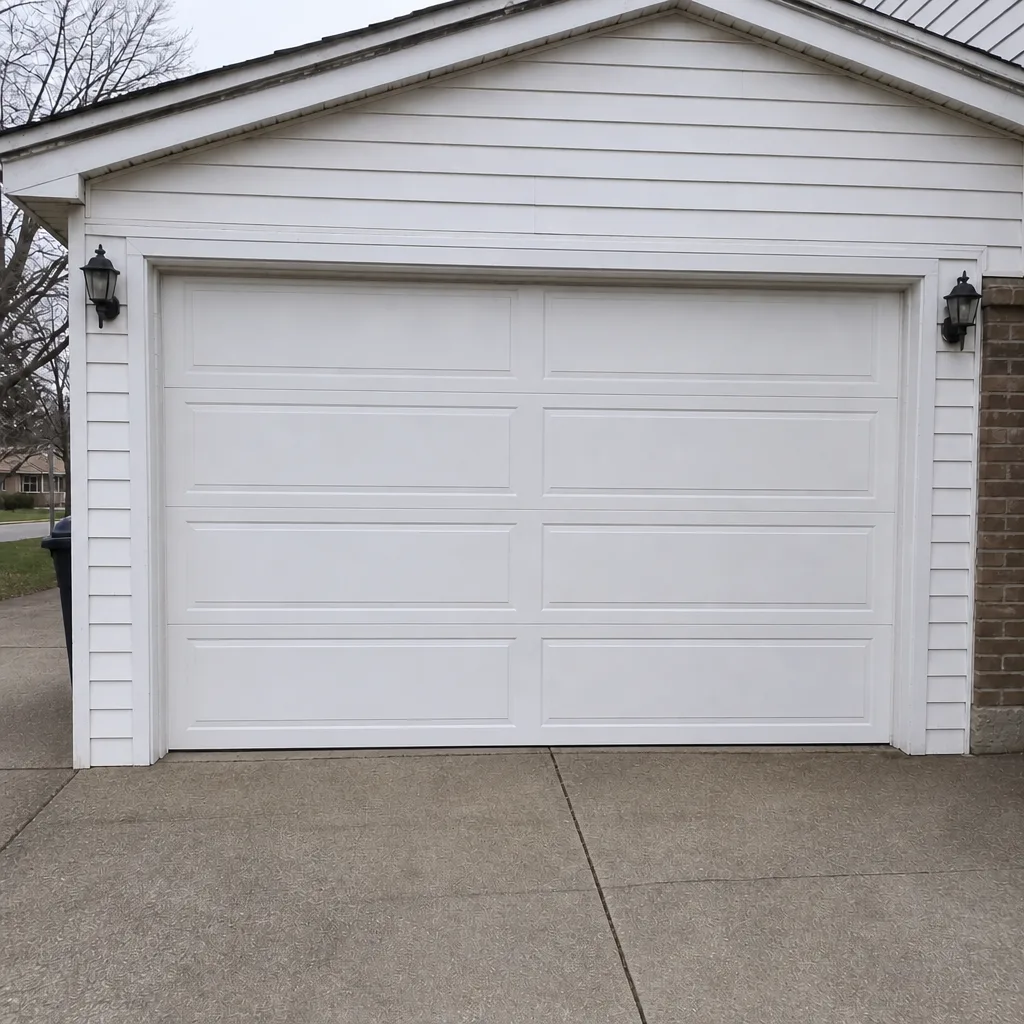 After
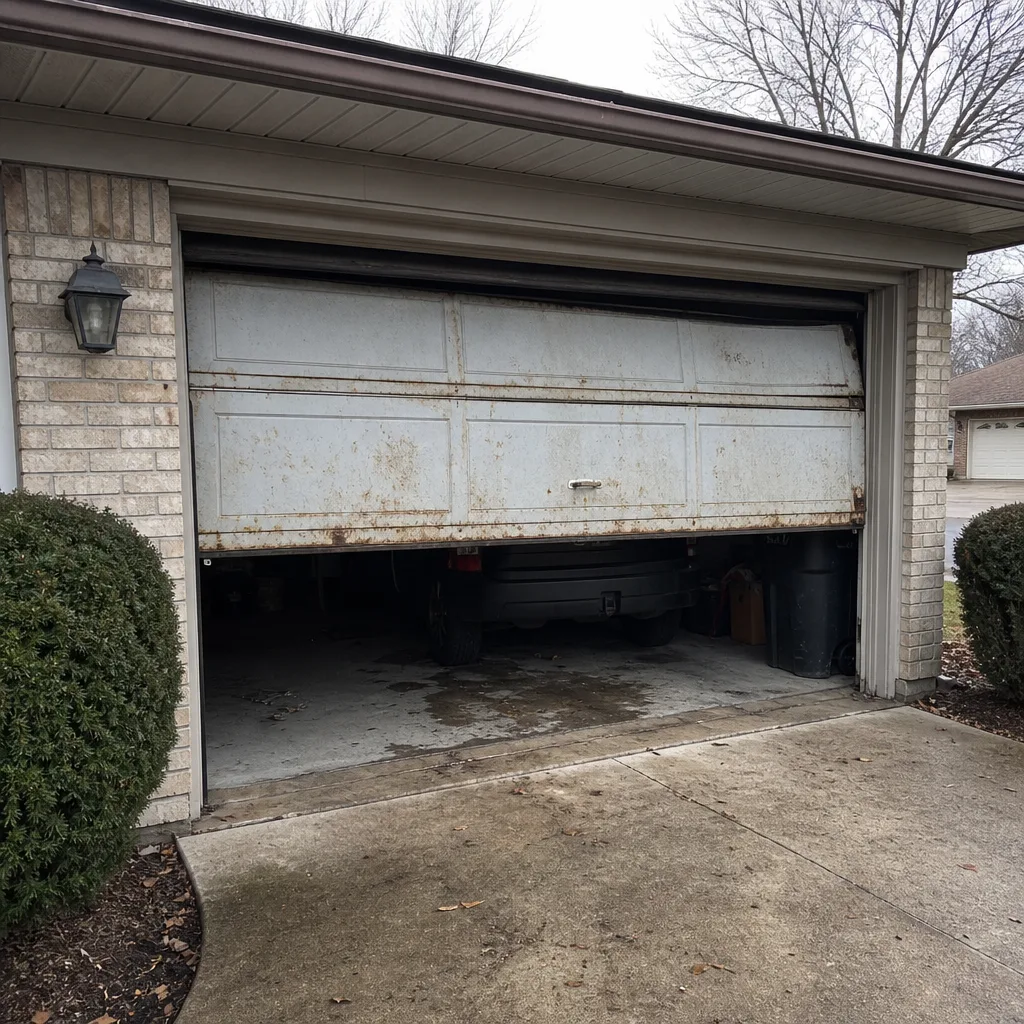 Before
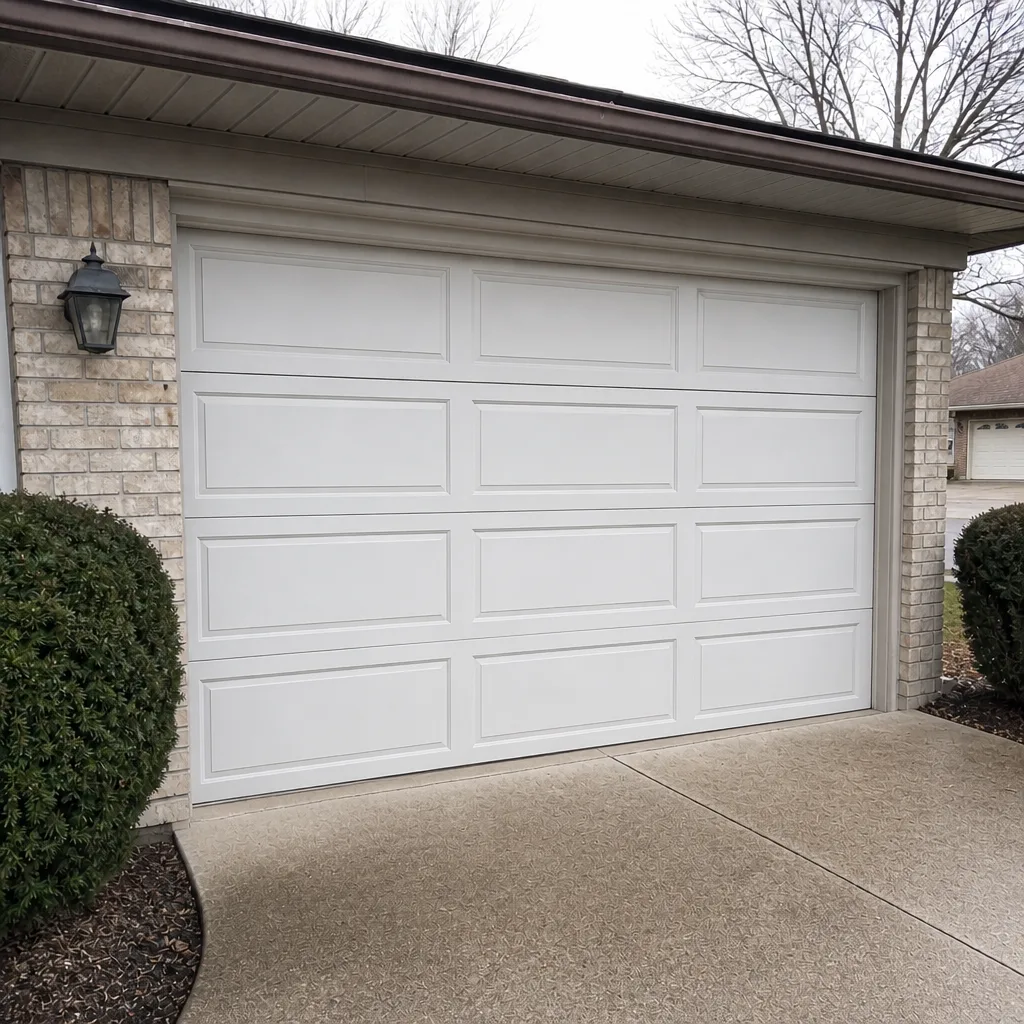 After
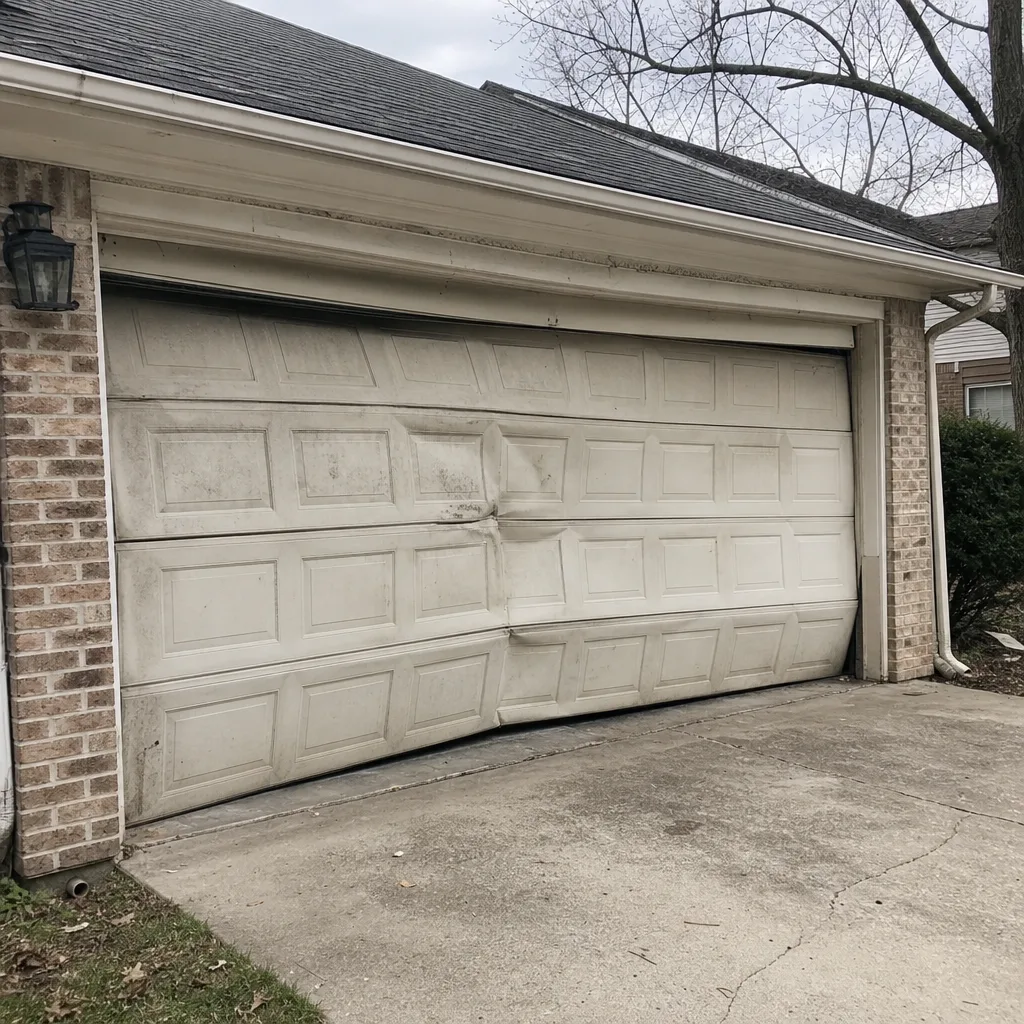 Before
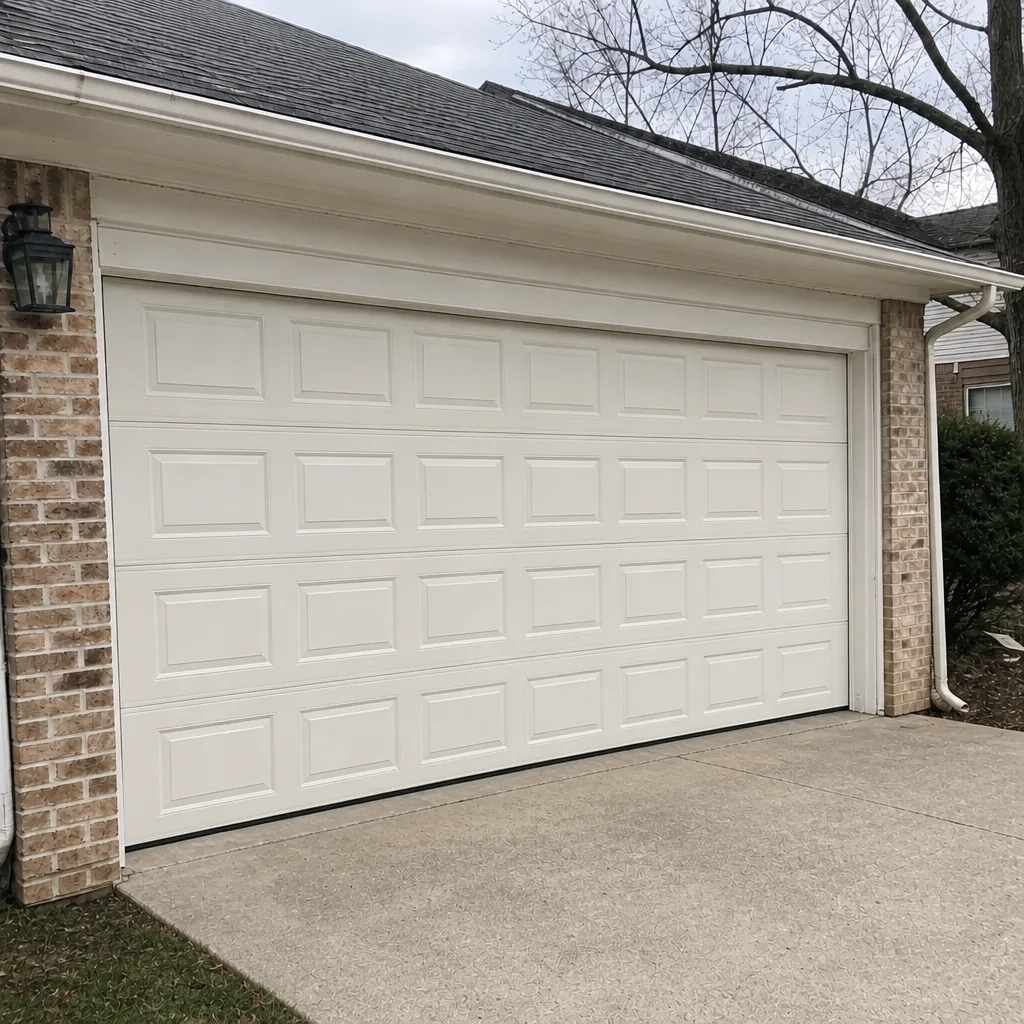 After
When to Call a Professional
Some seasonal checks belong to you. Others belong to a trained technician. Call a professional if the door is heavy to lift, if you see a bent track or a gap that won’t close, if the door binds or reverses unexpectedly, if the opener fails in the heat more than once, or if you spot rust spreading on the bottom panel. Anything involving the torsion spring or cables is a professional call, full stop – those parts are under extreme tension and are dangerous to touch. Ironwood Garage Door Repair offers free estimates in Indianapolis – call (844) 834-1874. We answer 24/7. Fast dispatch from 7am to 7pm, Sunday through Friday, and the price is quoted and agreed before any work starts.
Frequently Asked Questions
The best windows are October (before the first hard freeze) and May (in stable temperatures for a spring check). Fall prep sets the door up for winter, and spring is when you address the ground shift and do the torsion spring inspection. A light check in September is also worthwhile to prep for fall.
Freeze-thaw ground movement in March and April shifts the concrete slab, the threshold, and the door tracks. That knocks the door out of alignment and exposes small problems that built up quietly since fall. It’s the highest-risk window of the year, not because winter broke the door, but because the thaw reveals what winter hid.
You don’t check it yourself. Torsion springs are under extreme tension and a failure can be dangerous. You can test the door’s overall balance – lift it halfway by hand with the opener disconnected and see if it stays – but a real spring tension check needs a trained technician, and it should be done in a stable-temperature month like May, June, or September, not during a freeze or a heat wave.
Heat. Indianapolis garages without air conditioning get much hotter than outdoor air in July and August, and opener logic boards and motors have temperature limits. A hot board can cause misfires, click-but-no-move, or false reversals. Try a power reset first. If it keeps failing once the garage cools, get it diagnosed – our opener repair service covers the full range of brands.
Yes, and from the inside. Salt and brine track into an attached garage on the car and dry onto the bottom panel, hinges, and lower tracks. It’s corrosive to the galvanized steel and paint finish, starting as bubbling paint and ending as a rusted-through bottom section. Rinse the inside face of the door with plain water during winter to slow the damage.
For most repairs, yes – same-day service is often possible. Call (844) 834-1874. We answer 24/7. Fast dispatch from 7am to 7pm, Sunday through Friday. A call outside dispatch hours is booked into the next opening, Sunday through Friday, 7am to 7pm. For installation work, we’ll schedule a measure and a written quote instead of promising a same-day visit.
The Bottom Line
Indianapolis garage door care follows the seasons, not a generic annual checklist. Prep the door in October and November before the first hard freeze. During winter, rinse the inside face of the bottom panel to fight road salt and brine. In spring, sight the tracks and check the threshold gap as the ground thaws – that’s the highest-risk window. In summer, watch the opener electronics when the garage gets hot. And leave the torsion spring check to a trained technician, timed for a stable-temperature month like May or September. Match the task to the month and you’ll catch most problems before they become repairs. When something needs a professional look, call (844) 834-1874 for a free estimate – brand-specific familiarity with LiftMaster, Chamberlain, Genie, Clopay, Amarr, Wayne Dalton, Craftsman, and Raynor, and the price is agreed before any work begins.
Written by the team at Ironwood Garage Door Repair.