
Last updated November 15, 2026
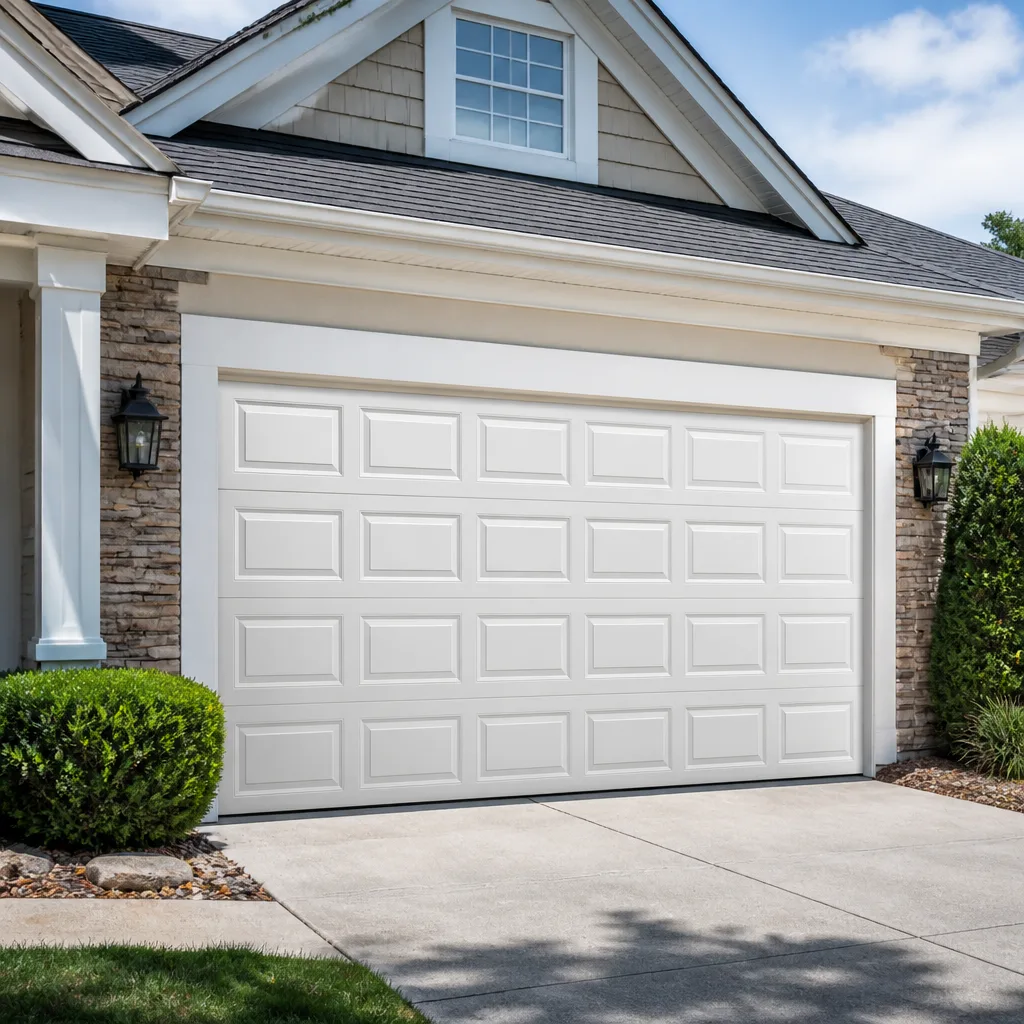 Raised-panel steel
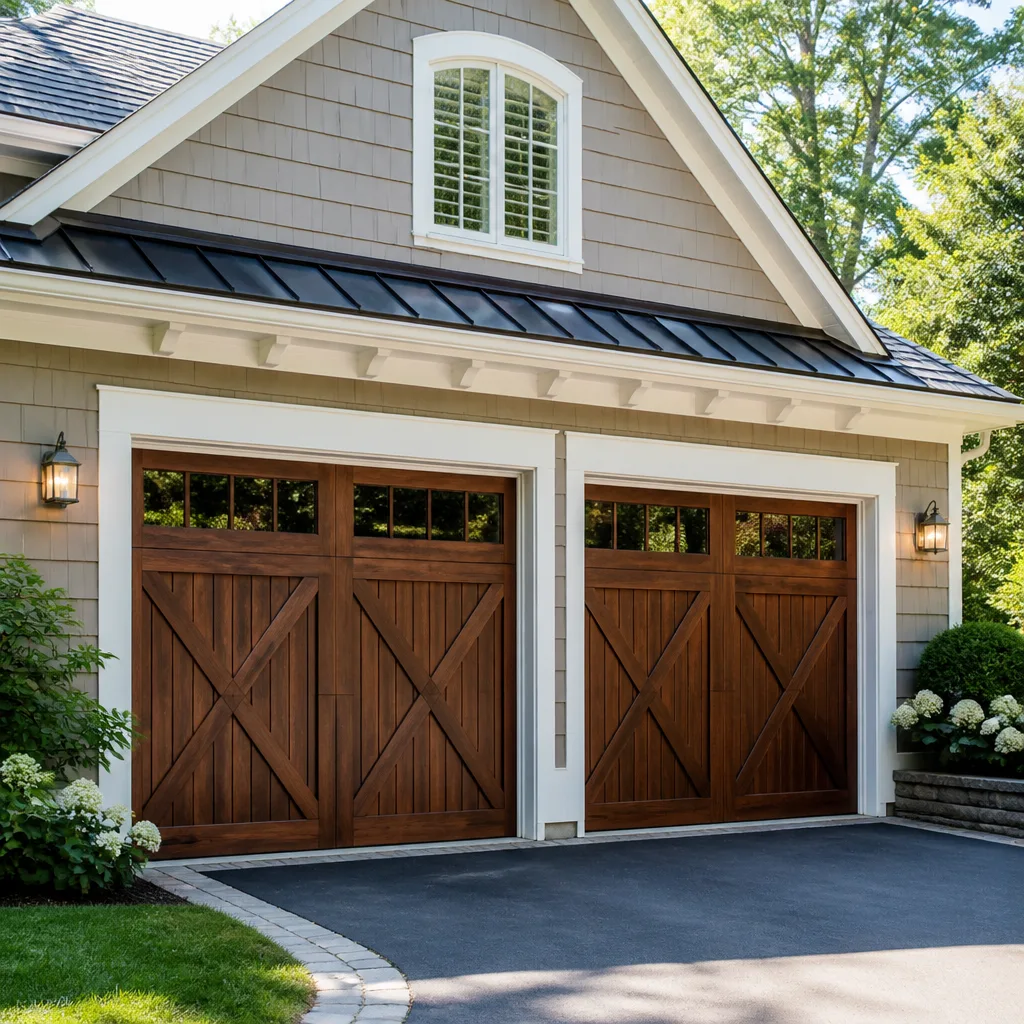 Carriage house
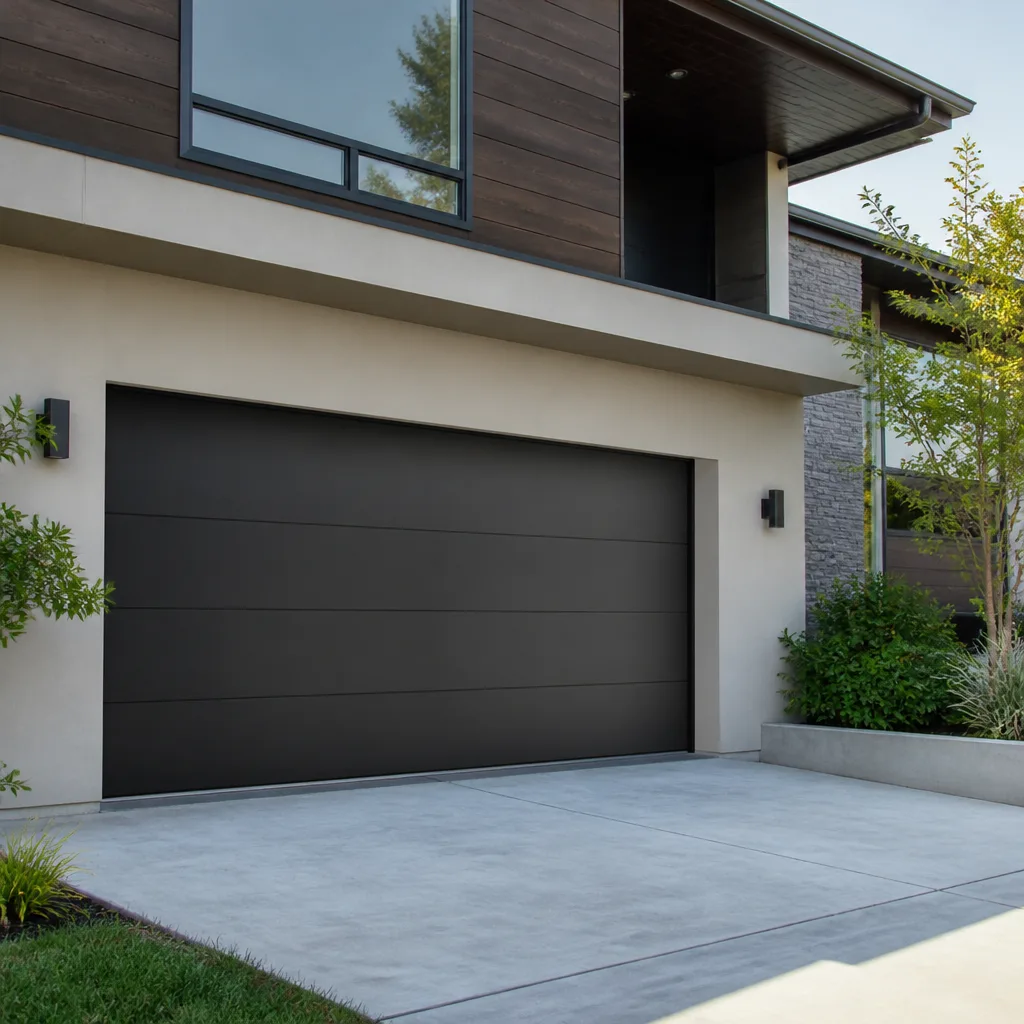 Modern flush
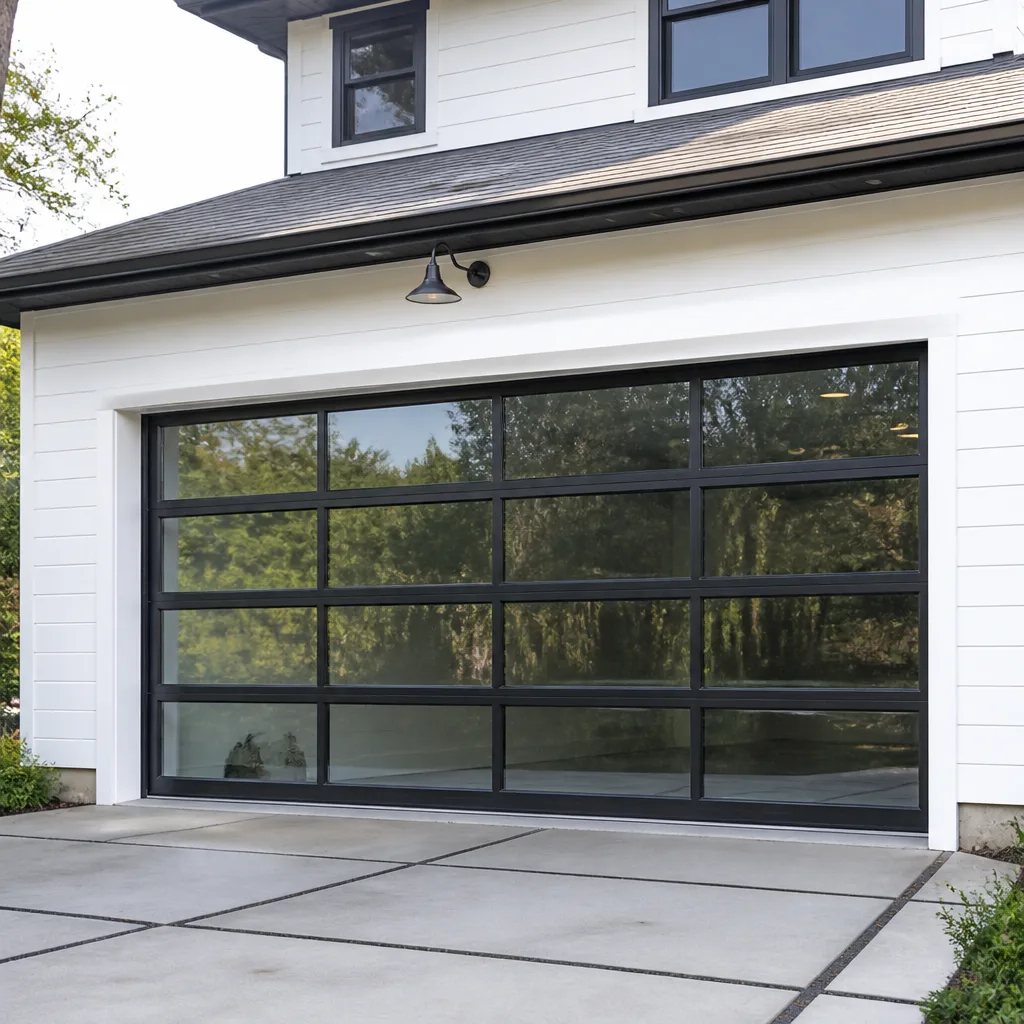 Full-view glass
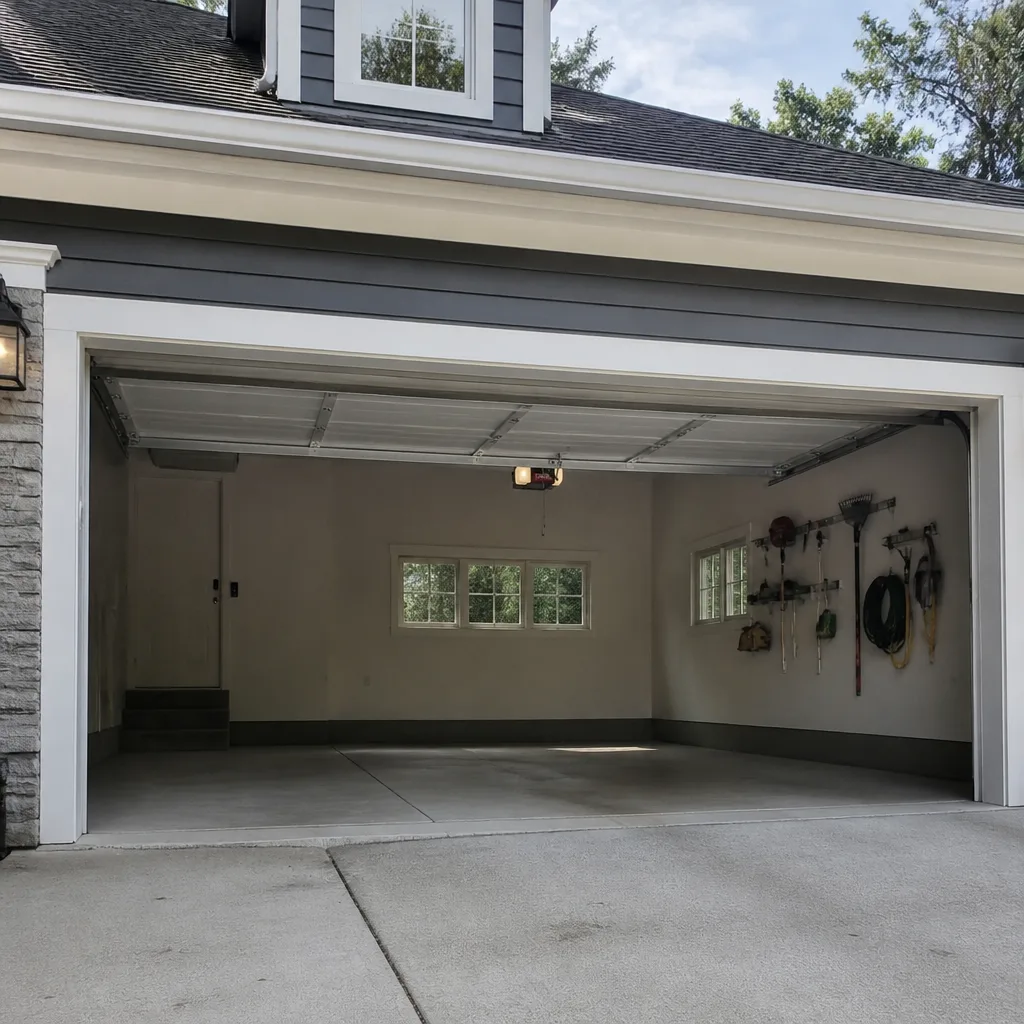 LiftMaster openers
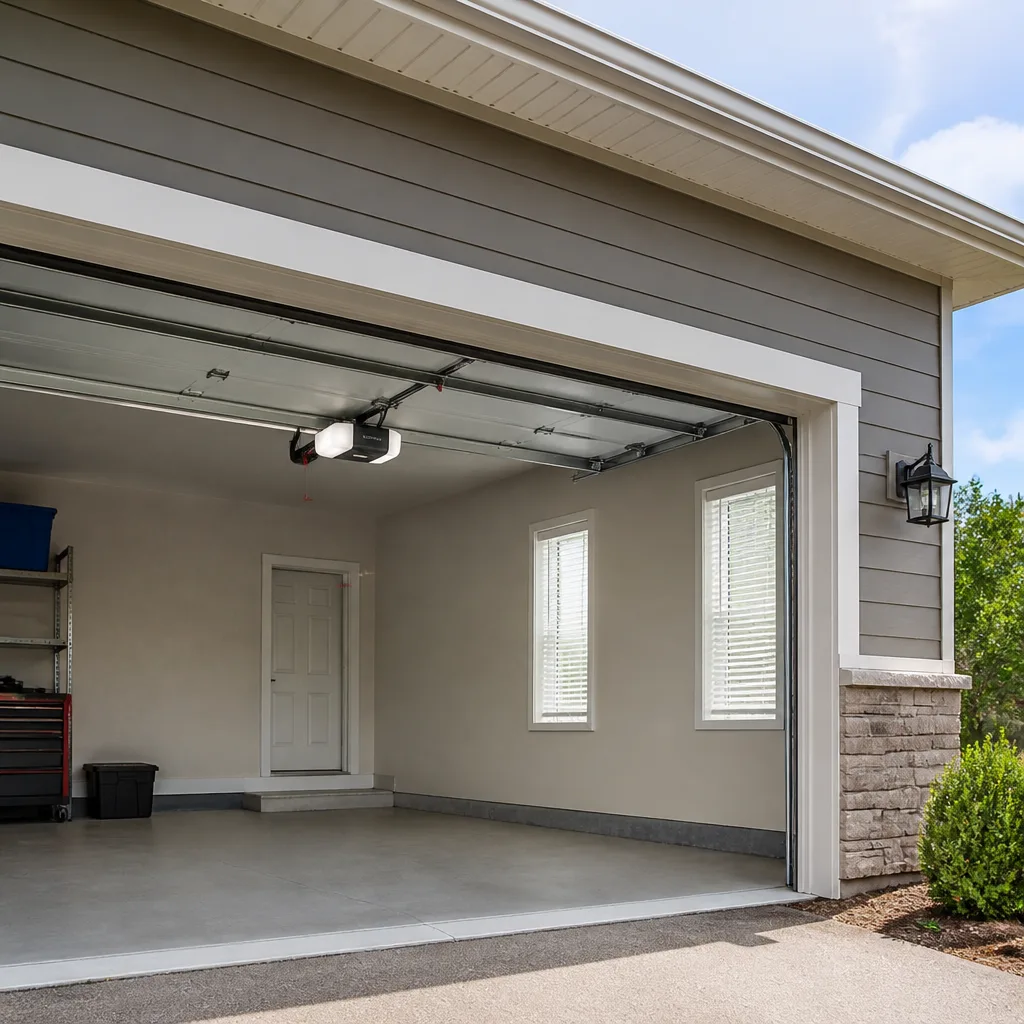 Chamberlain openers
Full 25-point door and opener safety check with every visit - springs, cables, rollers, tracks, and your LiftMaster or Chamberlain opener included
You get a price before we start. It does not change when the pro arrives.
Get your free estimateGarage Door Repair Troubleshooting in Indianapolis: Common Problems and How to Fix Them
A garage door that reverses before it closes isn’t broken. It’s telling you exactly what’s wrong, and most people just don’t know how to listen. The symptom you notice first (the grinding, the shake, the slowdown, the blinking light) is almost never the part that failed. It’s the last link in a chain of cause that runs from the spring to the track to the opener’s safety circuit. This guide teaches you to troubleshoot the chain instead of the symptom, so you can tell the difference between a five-minute fix and a problem that needs a technician, and know when to stop guessing and get a real diagnosis. We’ll cover freeze-thaw effects specific to Indianapolis, error codes across the brands we see most, and which repairs are safe to touch.
Quick Answer
Most garage door problems in Indianapolis trace back to one of four root causes: worn rollers or hinges, a spring that has lost tension or broken, a misaligned safety sensor, or an opener that’s reached its force or travel limit. The fix is rarely the part that’s making noise. Correct troubleshooting means working backward from the symptom to the system failure, and stopping at the spring or the electrical panel. Those are the two places where a homeowner should not improvise.
Styles & brands we work with
- Raised-panel steel
- Carriage house
- Modern flush
- Full-view glass
- LiftMaster openers
- Chamberlain openers
Table of Contents
- Why Symptom-Chasing Fails in Indianapolis
- Freeze-Thaw Cycles and Your Door’s Tension
- The Symptom-to-Root-Cause Map
- What You Can Safely Check and Fix
- What Carries Real Injury Risk
- Reading Opener Error Codes by Brand
- The Three-Check Decision Tree
- A Seasonal Checklist for Indianapolis Doors
Why Symptom-Chasing Fails in Indianapolis
The most common troubleshooting mistake we see is treating a symptom as a diagnosis. A homeowner hears a grinding noise, decides the track is bent, and bends the track back. The grinding continues, so they assume the opener is dying and replace it. The grinding is still there because the real culprit was a set of worn nylon rollers that cost a fraction of what the new opener did.
This pattern repeats across nearly every Indianapolis garage we’re called to. The door and its operator are a connected system, and a failure in one component ripples upward. A stiff, dry spring overloads the opener. A worn roller throws the door off balance and wears the hinges. A misaligned sensor makes the opener reverse, and the homeowner blames the motor. The part making the noise is often just the part that finally had enough.
Here’s the reframe that makes troubleshooting work. Before you look at any component, ask what job it does and what would happen if it stopped doing that job correctly. A roller’s job is to move smoothly in the track. If a roller seizes, the door binds, and friction shows up as noise, hesitation, or a door that drifts toward one side. A torsion spring’s job is to carry most of the door’s weight. If it loses tension, the opener lifts the full weight on its own, which makes the door feel heavy and the motor sound strained.
Garage doors are all we do, so we’ve learned to listen to the whole system rather than any one part. When you call our team at Ironwood Garage Door Repair, the first question we ask is usually about the symptom and when it started. That single detail tells us more than a photo of the track ever will.
Freeze-Thaw Cycles and Your Door’s Tension
Indianapolis sits in a climate that swings hard and often. Freezing nights followed by mild afternoons, repeated through winter, put specific stress on a garage door that homeowners in steady climates never deal with. The effects show up in two places: the springs and the safety sensors.
Springs are steel under constant tension. Cold makes steel contract slightly and become less ductile. A door that operated smoothly at 50 degrees will feel heavier at 15 degrees, and the spring has to do more work to lift it. Over many freeze-thaw cycles, that extra load is what nudges a spring toward fatigue or a sudden break. A door in an unheated Indianapolis garage can feel noticeably sluggish on the coldest mornings and fine by afternoon. That’s not always a failing opener. It’s physics.
Walk into your garage on a below-freezing morning and you may find the door reverses immediately after you hit the button or stops partway down. That’s the second effect of freeze-thaw: the safety sensors. These are the two small lenses near the floor on either side of the opening, and they work as a pair. Moisture, frost, or a lens fogged by cold can interrupt the beam between them, and the opener reads an interrupted beam as an obstruction and reverses. Homeowners in Indianapolis often replace perfectly good openers this way, when the real fix was wiping frost off a lens.
Two things follow from this. First, if a problem appears only on cold mornings and disappears by midday, suspect the sensor circuit and the door’s balance before you suspect the motor. Second, don’t ignore a door that feels heavy in winter. That heaviness is your spring telling you it’s carrying less of the load than it should. Get it checked before the extra strain reaches the opener.
Our technicians have up to 9 years of experience reading exactly these seasonal patterns. We know what an Indianapolis door sounds like in January versus July, and that helps us diagnose correctly the first time.
The Symptom-to-Root-Cause Map
This section is the heart of the guide. For each common symptom, we’ll show you the part that’s actually failing most of the time, so you stop chasing the noise. Keep in mind that more than one cause is possible; these are the most likely ones.
- Grinding or scraping noise: usually worn or seized nylon rollers, not bent track. Dry hinges and a dry torsion bar also grind. If the sound is metal-on-metal and rhythmic, suspect hardware wear.
- Door drifts or sags to one side: a stretched or broken torsion spring on that side, or a worn cable. The imbalance pulls the door sideways, which then binds in the track.
- Door reverses before closing: a misaligned or obstructed safety sensor most of the time. If the sensors are clean and aligned, it’s the opener’s force setting or a binding door.
- Door only opens a few inches: the opener’s travel limit is set wrong, or the opener is reading an obstruction. A worn gear in the opener can cause the same stall.
- Motor runs but door doesn’t move: a broken spring has taken the drive out of the equation, or the opener has lost its gear connection. This one almost always needs a technician.
- Door slams down or bounces: spring tension is wrong, or the opener’s force setting is too high. Both are unsafe and should be checked promptly.
- Remote works intermittently: a dying remote battery, a keypad issue, or interference. This is electrical, not mechanical, and the fix is usually in the opener or remote, not the door.
When you replace a symptom with a likely root cause, the repair path gets clearer and cheaper. A grinding door rarely needs a new opener. A door that reverses rarely needs new tracks. Most of the time, resolving one cause at the right point stops the cascade before it spreads.
How a typical troubleshooting visit goes: we test the door’s balance first, then the springs, then the track and hardware, then the opener’s electronics. Working in that order separates mechanical failures from electrical ones before a single part is ordered.
What You Can Safely Check and Fix
Some garage door troubleshooting is genuinely safe for a homeowner with a stepladder and basic tools. Doing these checks yourself speeds up diagnosis and can solve several common problems outright. Here’s what’s within reach.
- Lubricate the moving parts. A silicone-based garage door lubricant on hinges, rollers, and the torsion bar quiets grinding and frees stiff parts. Avoid WD-40 on rollers; it attracts dust. Apply a proper door lube where the parts pivot and roll.
- Realign and clean the safety sensors. Wipe both lenses with a soft cloth. Confirm the two lenses face each other at the same height, and that nothing (a stored trash can, a broom handle) sits in the line between them. Most reversals in Indianapolis clear up at this step.
- Test the safety reverse. Place a solid object like a brick on the ground under the closing door. The door should reverse on contact. If it doesn’t, stop using the door and call a professional; the safety circuit needs to be checked.
- Adjust the opener’s limit switches. The limit switches set how far the door travels up and down. Small adjustments following the opener’s manual can correct a door that stops too low or too high. Do this only with the door disconnected from the opener per the manual.
- Replace remote batteries and reprogram remotes. An intermittent remote usually just needs a fresh battery or a reprogram following the opener’s brand guide.
- Check the balance by hand. Disconnect the opener, lift the door halfway, and let go. If it stays put, the springs are balanced. If it falls or rises on its own, the springs need attention and you should not use the door until they’re checked.
Here’s the crucial caveat that separates safe fixes from dangerous territory: anything upstream of the sensor and the lube is off-limits. The springs and the cables are under extreme tension and can cause serious injury if handled incorrectly. For more involved repairs, our garage door repair team handles the parts that shouldn’t be touched by a homeowner.
What Carries Real Injury Risk
Some repairs look simple and are anything but. The torsion spring and the cables are the two components on a garage door that hold stored energy strong enough to injure or worse, and they deserve a clear warning. A trained professional is not an upsell here. It’s the safety line.
The torsion spring above the door is wound to a specific tension and holds most of the door’s weight. When it breaks or needs replacement, the spring must be unwound, removed, and rewound with the right number of turns for the door’s weight and height. Doing this with hand tools and no winding bars is how people lose fingers and worse. The lift cables run alongside the springs and carry tension too. A cable that snaps under load can whip with dangerous force.
- Do not attempt to replace or adjust a torsion spring yourself. The stored energy can cause severe injury.
- Do not touch a frayed or slack cable. Call a professional before the door is used again.
- Do not try to bend a track back into place while the door is under tension. Damaged tracks can let the door fall.
- Do not run the opener when a spring is broken. The opener will lift the full weight and can fail dangerously.
- Do not open or rewire an electrical panel to work on the opener’s power supply. That’s electrical work for a qualified technician.
These aren’t warnings to scare you away from ever touching the door. They’re specific: springs, cables, tracks under load, and the electrical supply are the four places where a homeowner should stop and call. Everything in the previous section is fair game.
If you’re not sure whether a problem sits on the safe side or the dangerous side of that line, that’s a good sign the answer is a professional. Same-day service is available for repair calls in Indianapolis, and a quick call is always cheaper than an injury.
Reading Opener Error Codes by Brand
Modern openers talk to you through error codes, blinks, and beeps, and those signals differ by brand. Learning what your opener’s codes mean can save you a service call and point you to the right repair. We’re factory-familiar with LiftMaster, Chamberlain, Genie, Clopay, Amarr, Wayne Dalton, Craftsman, and Raynor, so we read these codes every day. Here are the patterns we see most in Indianapolis homes.
- LiftMaster and Chamberlain (same family of openers): a series of LED blinks on the opener head usually maps to safety sensor issues (the most common), travel limits, or a force setting. A rapid blink on the wall control often means the diagnostic code can be read from the number of blinks. Consult the owner’s manual for the exact blink count meaning; a repeating cycle usually points to the sensor circuit.
- Genie: Genie openers often use a flashing light on the opener head to indicate the reason for a reversal or stall. A steady count of flashes typically signals a sensor blockage, while other patterns point to travel or force. Genie wall consoles and manuals vary by model, so match the blink pattern to your model’s guide.
- Common to all brands: a light that blinks but the door won’t move usually means the sensor beam is interrupted. A light that doesn’t blink at all and the door is dead usually means power or circuit board. A door that runs briefly and stops points to limits or force.
The practical value of decoding error codes is that it keeps you from replacing the wrong part. An opener that reports a sensor fault does not need a new motor. An opener that reports a limit fault usually needs a setting adjusted, not replaced. If reading the codes gets you to the right category, you can decide whether it’s a safe fix or a technician’s job.
When an opener’s error points to something internal, or the code keeps returning after you’ve cleared the obvious causes, it’s time for garage door opener repair by a technician who reads these systems every day. Opener repair is a distinct job from door repair, and not every shop does both. From the spring to the smart opener, we do.
The Three-Check Decision Tree
After three self-checks, a pattern emerges that tells you whether the problem is mechanical, electrical, or structural. That single piece of information is what a technician needs to plan the visit, and it can save you time and money. Run these three checks in order, then read the result.
- Check one, the safety sensor circuit. Are both lenses clean, aligned, and unobstructed? If clearing them fixes the door, the problem was electrical. If not, move to check two.
- Check two, the door’s balance by hand. Disconnect the opener and lift the door to the halfway point. Does it stay? Does it drift? Does it feel heavy? If it’s heavy or won’t hold, the problem is mechanical (springs or rollers). If it’s balanced and smooth, move to check three.
- Check three, the opener’s behavior. With the door balanced, does the opener still reverse, stall, or run without moving the door? Does it show an error code? If yes, the problem is electrical or in the opener’s limits. If the door moves smoothly but something structural feels wrong (sagging, misalignment, track separation), the problem is structural.
Read the result this way. If check one solved it, you had an electrical fault in the safety circuit. If check two failed, you have a mechanical failure and should stop using the door until a technician checks the springs. If check three fails while the door is balanced, the opener is the likely culprit and needs a proper diagnostic. If the door feels structurally wrong (a sagging header, a track pulling loose from the wall), the problem is structural, and a technician should see it before you run the door again.
This is the diagnosis a good garage door technician performs in the first few minutes of a call. We ask about the symptom, then run these checks in order. When homeowners do the same three checks before calling, we arrive already knowing whether the problem is mechanical, electrical, or structural, which is how a repair gets completed in one visit instead of two.
A Seasonal Checklist for Indianapolis Doors
Indianapolis doors earn their keep most in spring and fall, when the freeze-thaw swing is sharpest. A short seasonal checklist catches most of the small problems before they become big ones and keeps the door dependable through the worst of the weather.
- Late fall: lubricate all moving parts, test the safety reverse, and clear and align the sensors before the first hard freeze. Check that the weather seal along the bottom of the door is intact and flexible. A hard, cracked seal lets in cold air and moisture, which accelerates wear.
- Mid-winter: listen for new noises, watch for sluggish mornings, and clear frost off the sensor lenses. Don’t force a heavy door; that’s a sign to get the springs checked.
- Early spring: inspect the springs for gaps, rust, or sagging. Look at the rollers for flat spots. Sweep the tracks of grit and debris that winter brought in.
- Summer: the easiest season to catch problems. Test the door’s balance, listen for grinding, and check the opener’s force and limits against the manual. This is also the season to schedule a full inspection if you skipped one.
For homeowners managing multiple properties, this checklist becomes part of routine maintenance, and it prevents most of the callbacks that frustrate tenants and managers. When a full new door is the right answer rather than a repair, our team handles installation from one written estimate and one point of contact, from the panels to the opener, so there’s no handoff.
Common Mistakes to Avoid
- Replacing the opener to fix a door noise. Noise is most often a roller or hinge problem. A new opener doesn’t fix worn hardware; it just costs more.
- Assuming a cold-morning reversal means a dead motor. In winter, frost and condensation on a sensor lens in Indianapolis garages causes exactly this. Wipe the lenses first before you price a new opener.
- Adjusting a torsion spring by guesswork. Spring tension is wound to a specific number of turns for the door’s weight. Guess wrong and the door can slam or the spring can break, so leave the spring alone and call a professional.
- Ignoring a door that’s suddenly heavy. A door that lifts harder than it did last month is telling you the spring has lost tension. That load then lands on the opener, and an overloaded opener fails faster.
- Greasing a track. Tracks should be clean and dry; rollers are what get lubricated. Greasing tracks collects grit and makes rollers jam.
- Disconnecting the opener to “test the balance” and then running the door without reconnecting the safety features. Always reconnect the opener and re-engage the safety reverse before regular use.
- Pricing a spring job as cost-per-call. Our estimates are set per job and agreed in writing before any work starts, so a heavy-door call gets a clear number up front. If a quote you’re given is vague, ask for the written figure.
See the difference
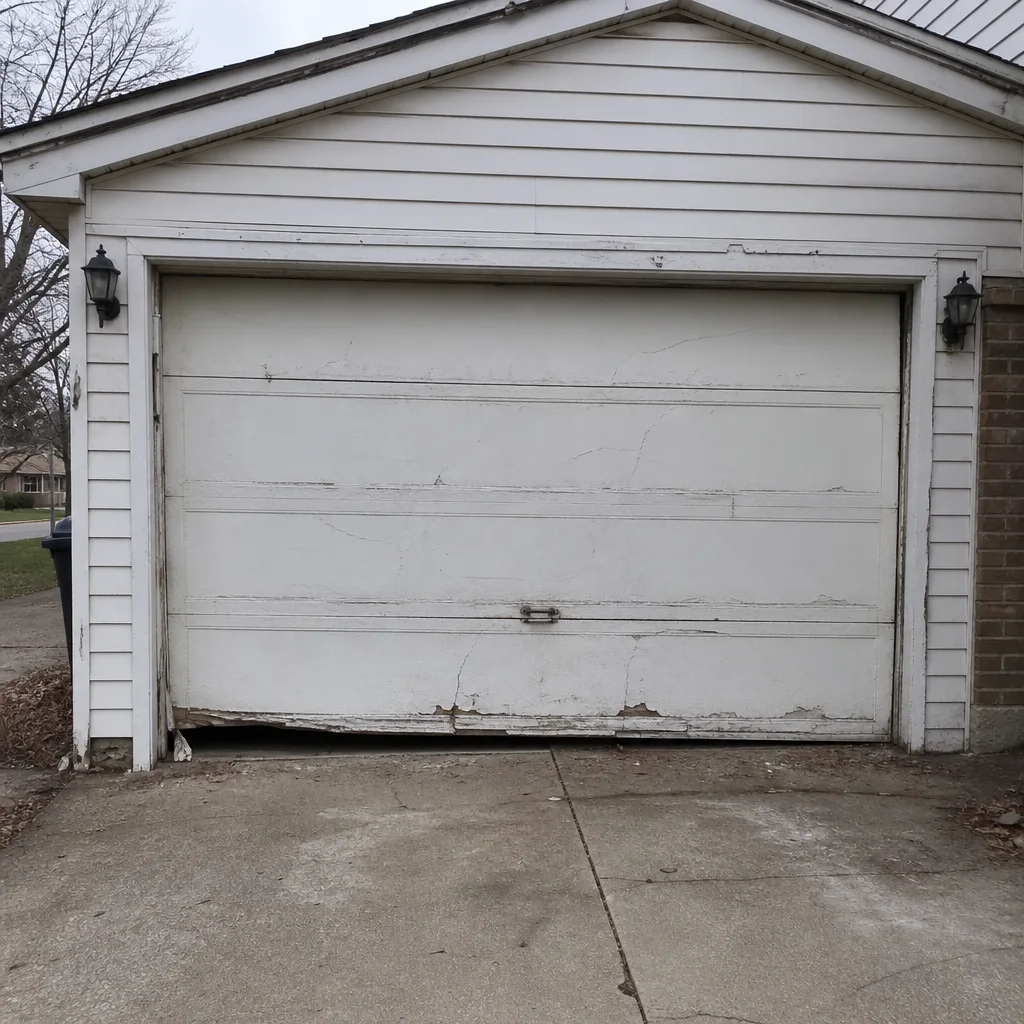 Before
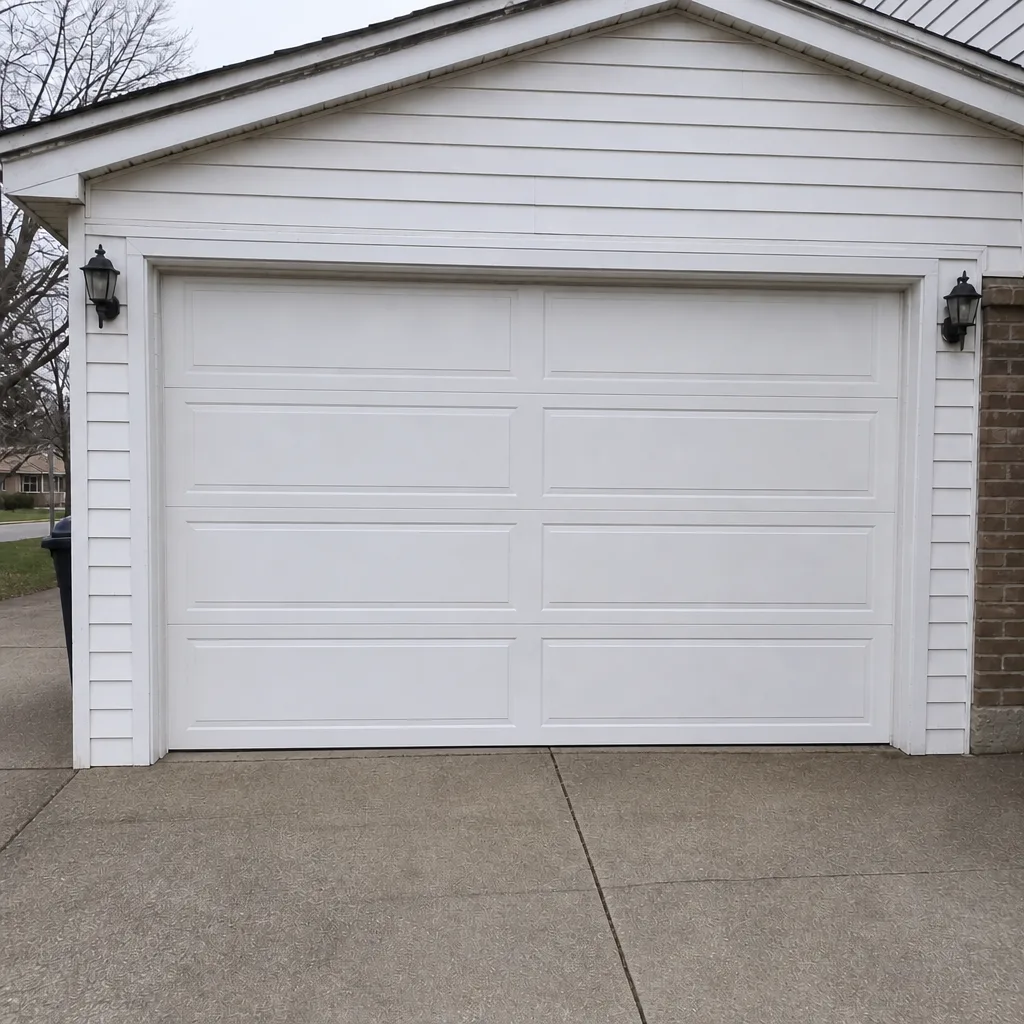 After
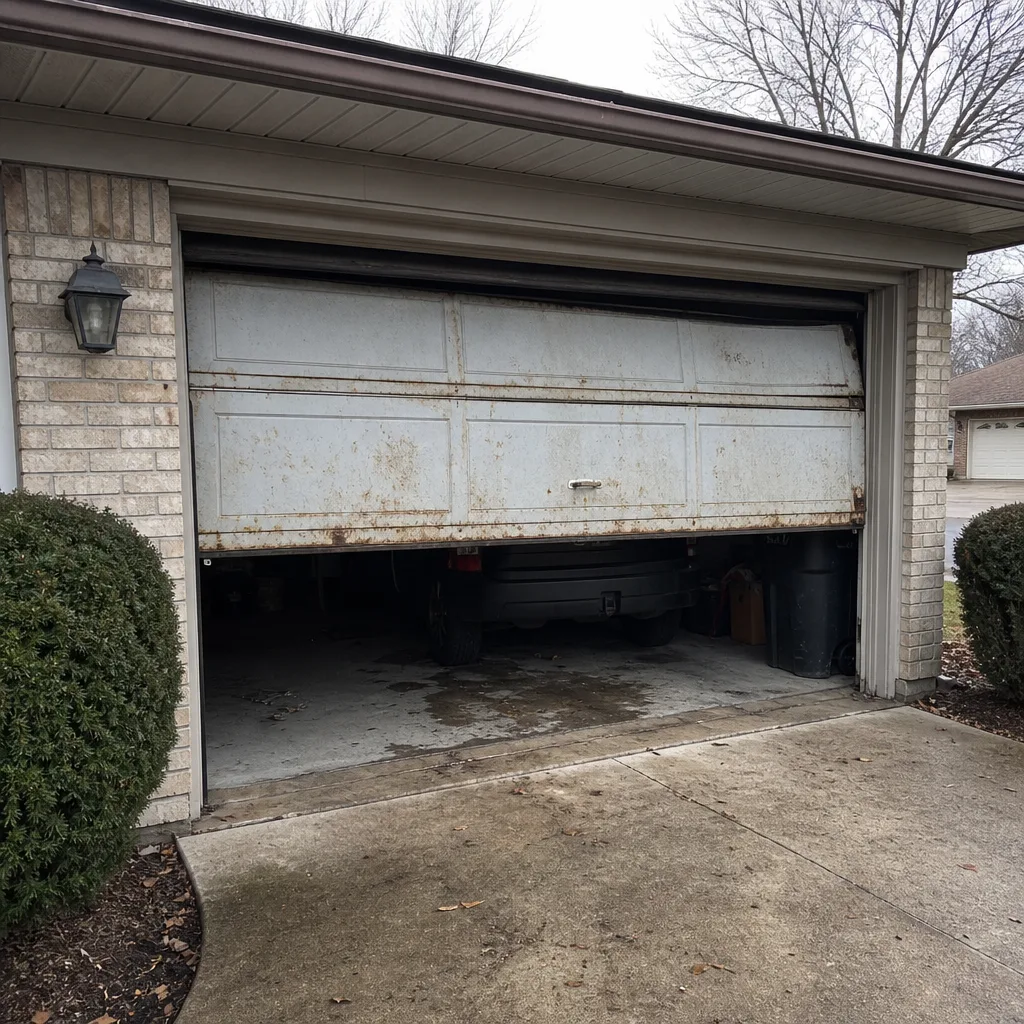 Before
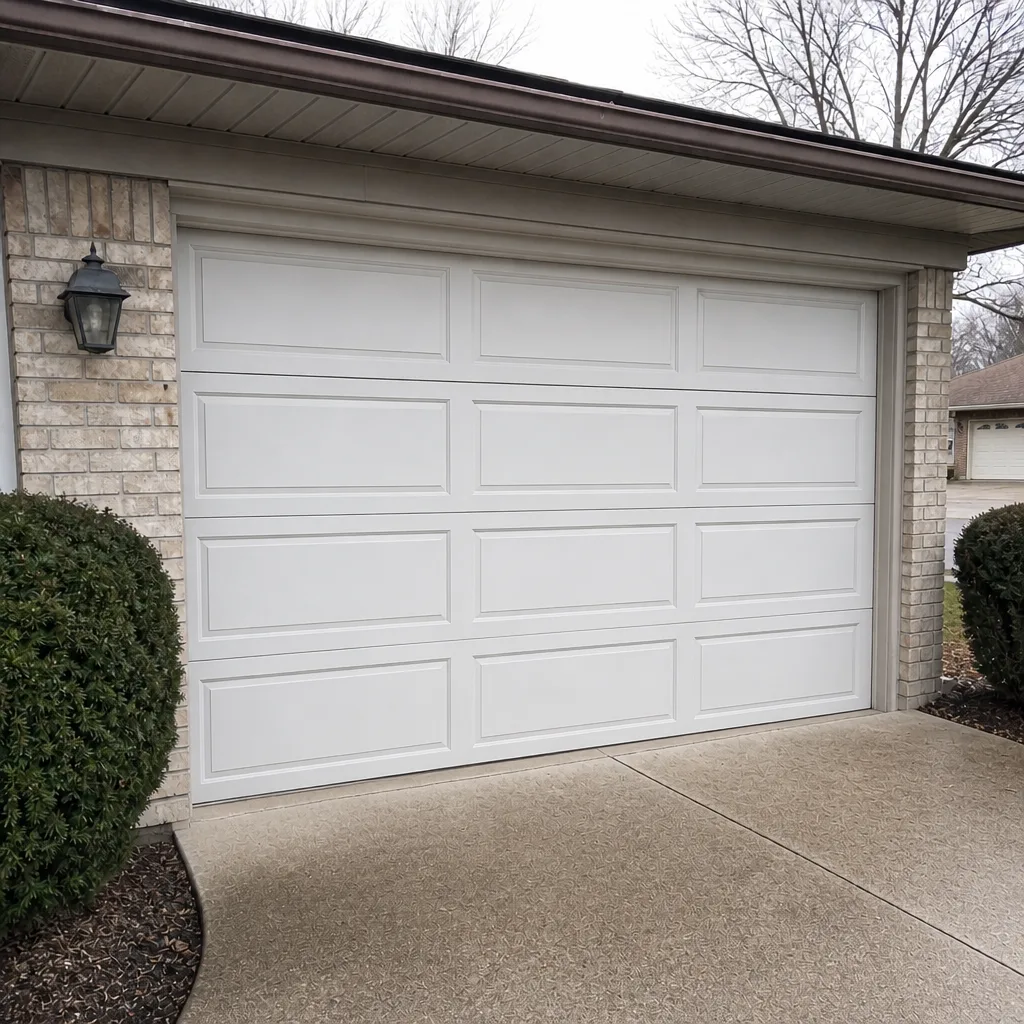 After
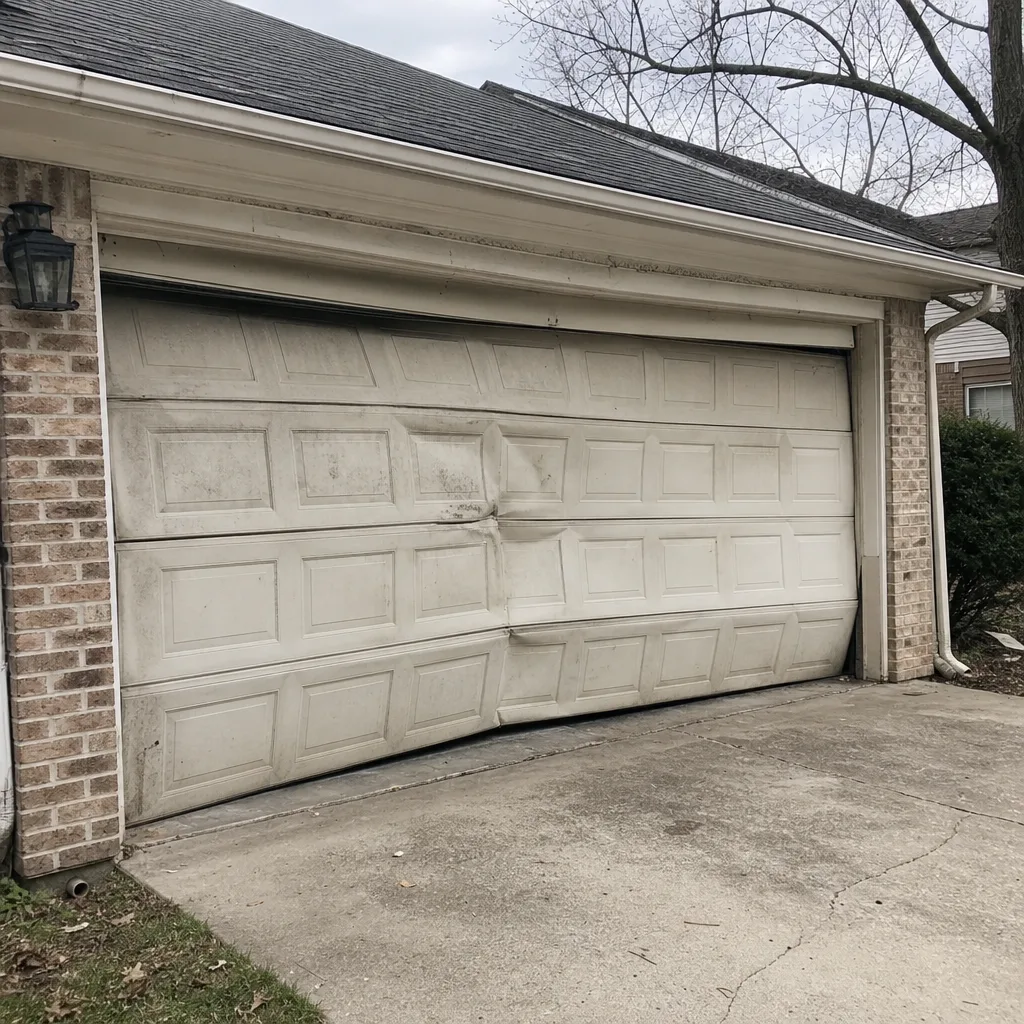 Before
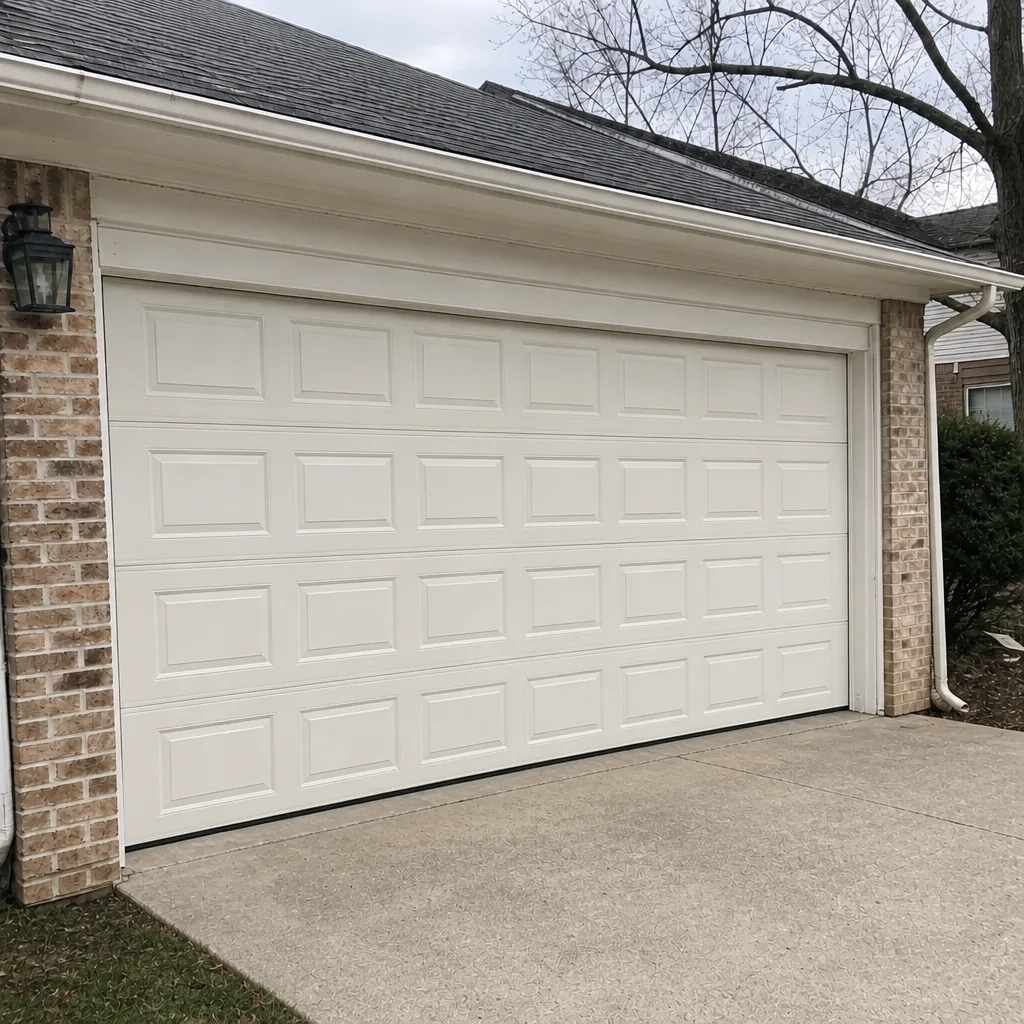 After
When to Call a Professional
Call a professional when a problem touches the four dangerous components (springs, cables, tracks under load, electrical supply), when the door is unbalanced, when the three-check decision tree points to a structural problem, or when a safe fix you’ve tried doesn’t resolve the issue. Also call when a door has failed in a way that leaves it hanging open or unable to close: that’s a home security issue as much as a repair. When the door needs parts we don’t trust yourself to source safely, we can work directly with your insurer and your warranty provider. Ironwood Garage Door Repair offers free estimates in Indianapolis. Call (844) 834-1874. We answer 24/7, with fast dispatch from 7am to 7pm, Sunday through Friday. We’re closed Saturday. A call outside dispatch hours is booked into the next opening.
Frequently Asked Questions
A door that reverses before closing usually has an obstructed or misaligned safety sensor, and that’s the first thing to check. Wipe both lenses and confirm they face each other at the same height. If they’re clean and aligned and the door still reverses, the opener’s force setting or a binding door is the cause, and that needs a diagnostic. Call (844) 834-1874 for a free estimate if the reversal keeps happening.
Diagnostics are part of a free estimate, so there’s no separate troubleshooting charge. The repair itself is quoted per job in writing before any work starts, and the written estimate is the price. Call (844) 834-1874 for an exact quote. Estimates are free.
Same-day repair service is often available for garage door problems in Indianapolis. We answer the phone 24/7, with fast dispatch from 7am to 7pm, Sunday through Friday. Call (844) 834-1874 and we’ll book the earliest opening.
The meaning depends on the brand and model. LiftMaster, Chamberlain, and Genie all use blink patterns that map to sensor, travel, or force faults, and the specific count comes from your opener’s manual. If the code returns after you’ve cleared the sensors, call (844) 834-1874 and we’ll diagnose it.
No. A heavy door is more often a spring that’s lost tension, not a failing opener. A door that lifts harder than it used to is a sign to get the springs checked before the extra load damages the motor. Call (844) 834-1874 for a free estimate.
First check the opener’s power and the sensor circuit, then test the door’s balance by hand. If the door feels heavy or won’t hold, don’t run the opener; get a technician out. Call (844) 834-1874. We answer 24/7, and a call outside dispatch hours is booked into the next opening, Sunday through Friday, 7am to 7pm.
The Bottom Line
Troubleshooting a garage door works when you follow the chain of cause instead of chasing the noise. Start with the sensor circuit, then the door’s balance, then the opener’s electronics, and read the pattern that emerges. In Indianapolis, freeze-thaw cycles make springs and sensors the usual suspects, and a door that acts up only on cold mornings is almost always one of those two. Handle the lubrication, the sensor, and the limit switches yourself. Leave the springs, the cables, and the electrical work to a professional. When the three checks don’t explain it, that’s your signal to call, and a correct diagnosis the first time is cheaper than a sequence of wrong guesses.
If you’re in doubt about any part of the system, or you’ve tried the safe fixes and the problem remains, our team is ready. Ironwood Garage Door Repair does garage doors exclusively, works on your brand, and diagnoses correctly the first time. Call (844) 834-1874 for a free estimate.
Written by the team at Ironwood Garage Door Repair.