
Last updated November 15, 2026
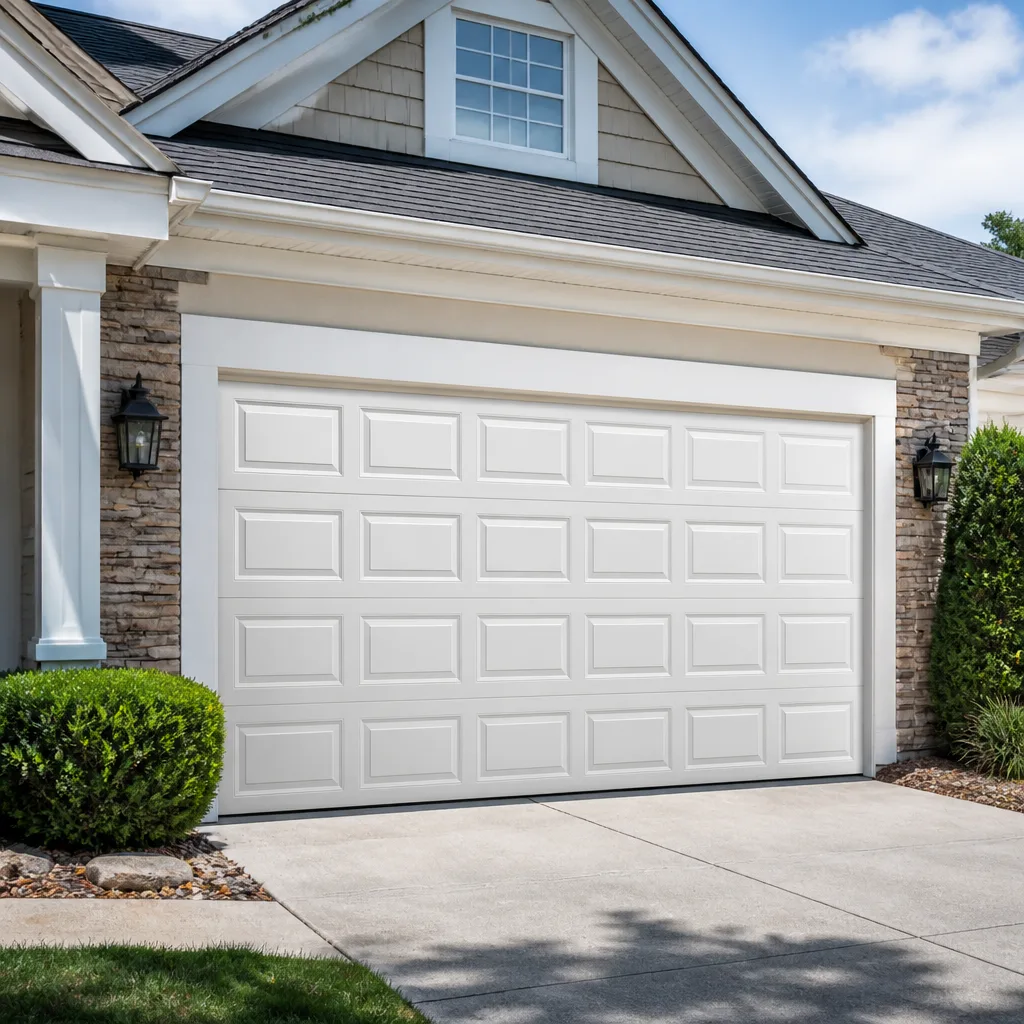 Raised-panel steel
 Carriage house
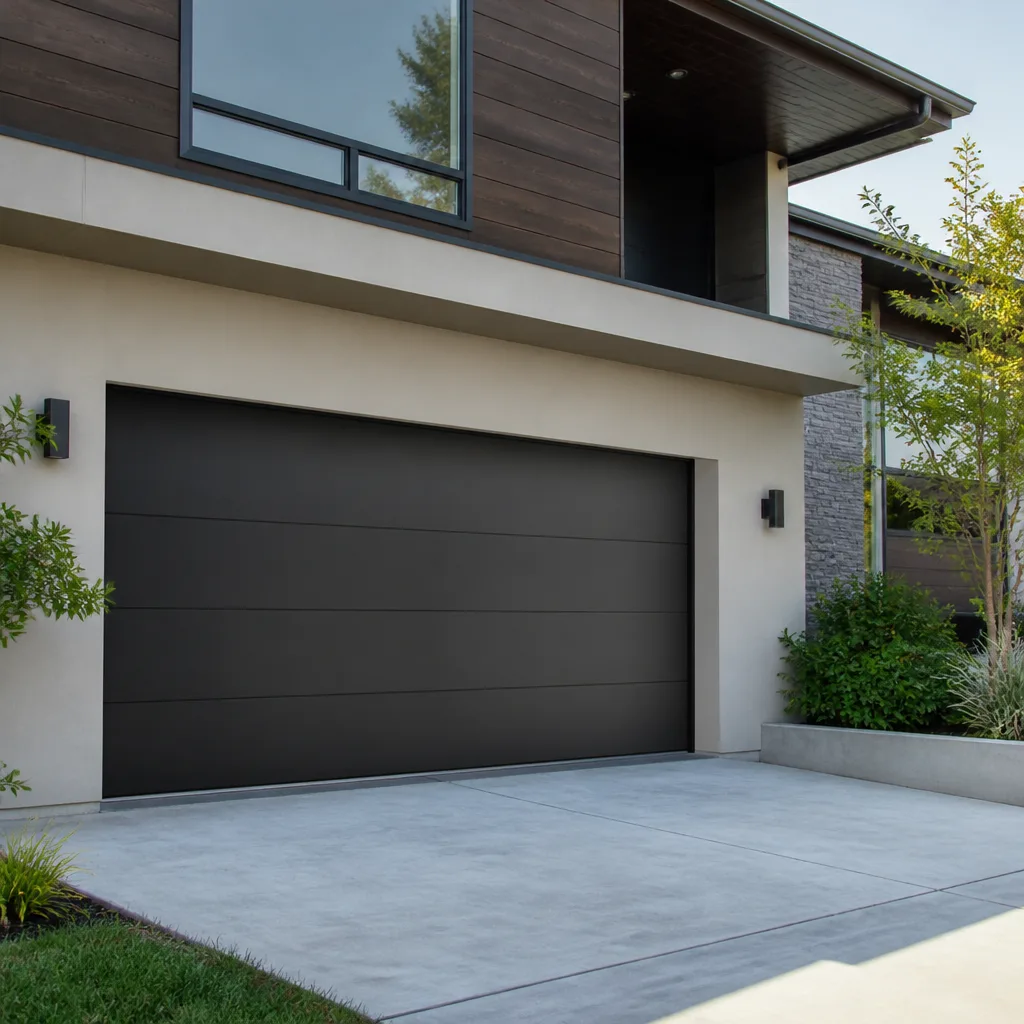 Modern flush
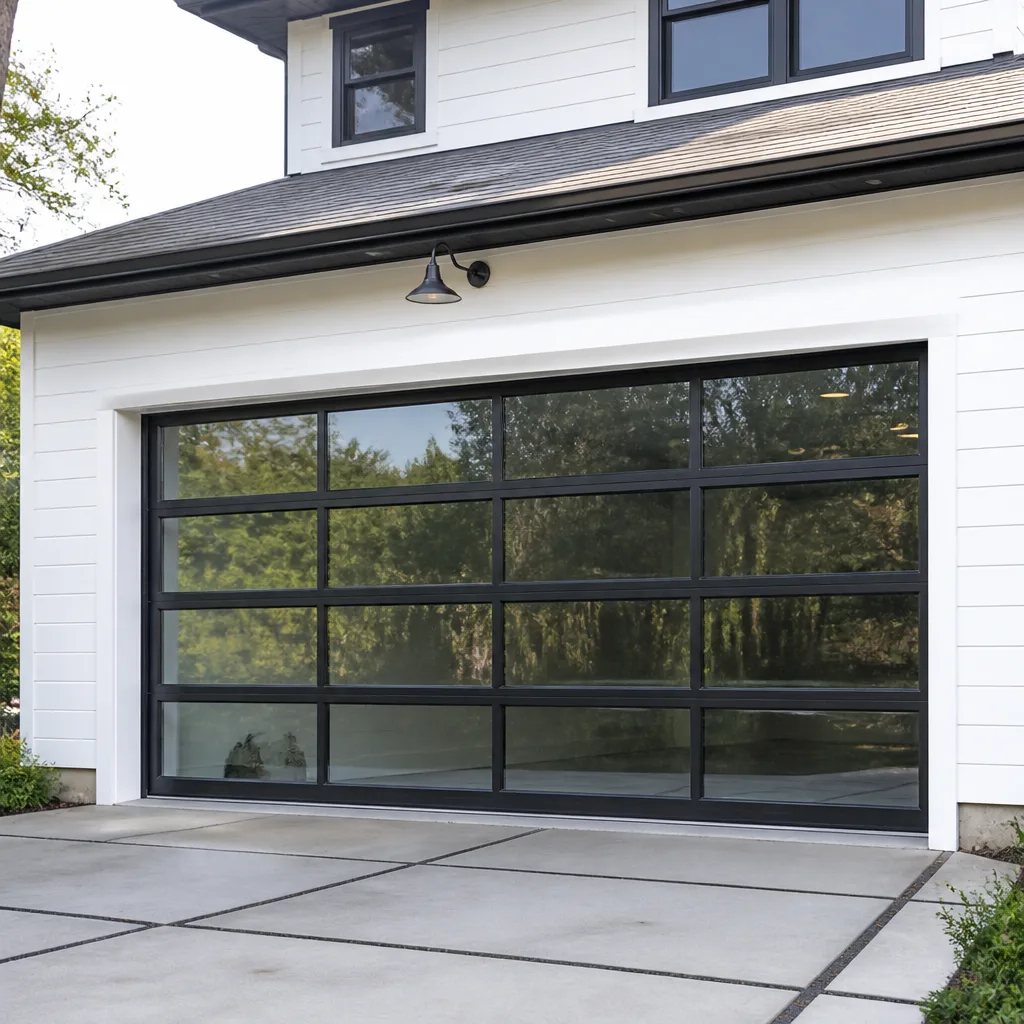 Full-view glass
 LiftMaster openers
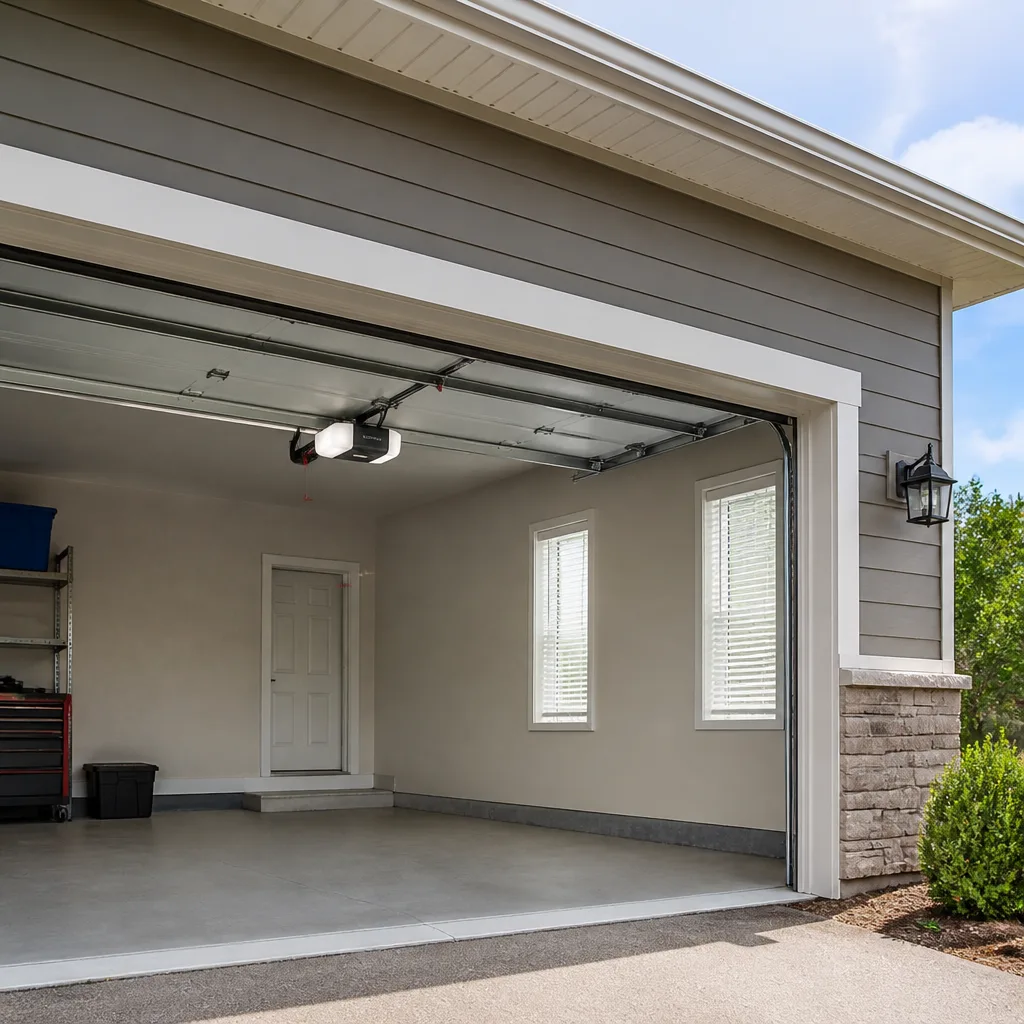 Chamberlain openers
Full 25-point door and opener safety check with every visit - springs, cables, rollers, tracks, and your LiftMaster or Chamberlain opener included
You get a price before we start. It does not change when the pro arrives.
Get your free estimateGarage Door Repair Maintenance Schedule: What to Do and When
The garage door component most likely to fail in January in Indianapolis was already stressed in October. By the time it breaks, the maintenance window closed three months ago. That’s the trouble with the standard advice to “tune up your door once a year” – it treats every month the same, when central Indiana hands your door a very different set of stresses in July than it does in February. A schedule tied to the calendar, rather than to a convenient slot later on, aligns your maintenance with the stress periods instead of trailing behind them. Here’s what to do each month, which tasks you can handle and which belong to a technician, and why the small jobs cost far less than the ones they prevent.
Quick Answer
The right garage door maintenance schedule in Indianapolis runs four times a year, not once: lubricate moving metal parts and check spring tension in October before the cold sets in, inspect tracks and seals for winter damage in March, exercise the opener and balance test in June, and re-lubricate plus check weather seals in September. Heavy wear parts – springs, cables, rollers, tracks – need a trained eye, while lubrication, visual checks, and the safety reversal test are safe for homeowners to do. Skipping the cheap steps is what turns a small lubrication job into a roller-and-track replacement.
Styles & brands we work with
- Raised-panel steel
- Carriage house
- Modern flush
- Full-view glass
- LiftMaster openers
- Chamberlain openers
Table of Contents
- Why One Annual Tune-Up Falls Short in Indianapolis
- October: Pre-Winter Preparation
- March: Post-Winter Inspection
- June: Summer Check and Opener Exercise
- September: Pre-Cold Re-Lubrication and Seals
- Homeowner Tasks vs. Professional Tasks
- The Right Lubricant for the Right Part
- What Skipped Maintenance Actually Costs
- Month-by-Month Checklist
Why One Annual Tune-Up Falls Short in Indianapolis
Central Indiana swings hard between seasons, and each swing works on your door’s hardware in a different way. A door that sat through a humid July has swollen wood panels, seals pressed tight against a hot floor, and grease that has thinned and migrated off the moving parts. A door that sat through a cold February has metal that contracted, springs under different tension, and rollers that felt every hard start.
One annual visit catches whatever happens to be worn on the day the technician arrives. It misses the stress that builds between visits. Think of it like changing the oil in your car only when you remember to – the car still runs, but it wears faster in the gaps.
A calendar-based schedule works because it lands maintenance just before each stress period, not after. In our experience, doors on a seasonal schedule need fewer emergency repairs, and the repairs they do need are smaller. That’s not a sales pitch; it’s just how metal, rubber, and tension behave when you keep ahead of them.
Indianapolis homeowners who live in older neighborhoods with detached or semi-detached garages often feel this most. Those structures take the full brunt of temperature swings with less insulation than an attached garage, so the hardware cycles through a wider range of expansion and contraction all year. If your garage is separate from the house, your maintenance window is even tighter.
October: Pre-Winter Preparation
October is the most important month on the schedule. The goal is to get every moving part lubricated and every tension point checked before the first hard freeze, because a door that binds in cold weather puts far more strain on springs and opener than one that moves freely.
What October maintenance should cover:
- Lubricate all moving metal: rollers, hinges, bearing plates, and the torsion or extension spring coils. Use a purpose-made garage door lubricant, not a general-purpose spray.
- Check spring tension: springs should hold the door steady at the halfway point. A door that sags, slams, or feels unusually heavy is telling you the spring is losing tension and needs professional calibration.
- Inspect cables for fraying: look at the cables where they run alongside the springs and down the sides of the door. Frayed strands or kinks mean the cable needs replacement before winter loads it further.
- Test the balance: disconnect the opener and lift the door halfway by hand. It should stay put. If it drifts down or springs up, the spring tension needs attention.
- Check the weather seal along the floor: a cracked or flattened bottom seal lets cold air in and lets water freeze under the door, which can lift the bottom panel and stress the whole assembly.
This is also when a technician can spot early wear on a Wayne Dalton or Raynor panel before cold weather makes it worse. Small cracks and loose hinges are cheap to address in October and expensive to address in January. A pre-winter visit also gives you time to order replacement parts if something is on back order, rather than discovering the problem when the door won’t close.
March: Post-Winter Inspection
Winter is the hardest season on a garage door, and March is when you find out what it did. The focus shifts from prevention to inspection: tracks, seals, and cables all take a beating through freeze-thaw cycles.
A proper post-winter inspection covers:
- Tracks: check for bends, dents, and misalignment. Cold weather makes metal brittle, and a single bump from a car or a frozen track can bend a rail that then drags the rollers all season.
- Seals: the bottom seal, side seals, and top seal all need a look. Freeze-thaw cycles crack rubber and pull seals away from the frame. A gap of even a quarter inch lets in water and pests.
- Cables and springs: winter is when cables are most likely to fray and springs are most likely to lose tension. This is a job for a professional, because both are under high tension and can cause serious injury if handled incorrectly.
- Panels and hinges: look for cracks, rust spots, and loose hinges. A small crack in a steel panel can spread once the door starts cycling again in warmer weather.
- Opener response: after a winter of heavy lifting, the opener may have adjusted its force settings or developed a strained motor. Listen for grinding, straining, or a door that reverses unexpectedly.
In Indianapolis, March is also when the ground starts to thaw and shift, which can settle a garage slab slightly and throw the door’s alignment off. If your door suddenly binds on one side after a wet spring, that’s often the cause. A quick professional alignment check catches it before it wears the rollers unevenly.
June: Summer Check and Opener Exercise
Summer heat and humidity work on different parts than winter cold. Wood swells, grease thins, and the opener runs harder in the heat. June maintenance is about making sure everything moves smoothly when the door is cycling most often – summer is typically the busiest season for a household garage.
June tasks include:
- Re-lubricate: summer heat thins grease and causes it to run off moving parts. A mid-year lubrication keeps rollers and hinges from grinding.
- Test the safety reversal: place a solid object in the door’s path and confirm the door reverses on contact. This is a safety test, not optional maintenance. If the door doesn’t reverse, stop using the opener until it’s fixed.
- Check the photo-eye sensors: wipe the lenses and confirm the alignment. Dust and cobwebs are common culprits when a door refuses to close.
- Exercise the opener manually: disconnect the door and operate it by hand to confirm the door itself is balanced and the opener isn’t compensating for a mechanical problem.
- Look at the rollers: worn nylon or steel rollers develop flat spots over time. Grinding or squealing during operation usually points to rollers that need replacement.
If your opener is a LiftMaster or Craftsman unit with a battery backup, summer is a good time to confirm the battery still holds a charge. Many modern openers also log error codes that a technician can read during a service visit, which helps diagnose intermittent problems before they become failures. If your opener is acting up, our garage door opener repair team can run a full diagnostic.
September: Pre-Cold Re-Lubrication and Seals
September is the bridge month – warm enough to work comfortably, close enough to winter that you’re getting ahead of the cold. It’s essentially a lighter version of the October prep, with a focus on seals and a final lubrication pass.
What to cover in September:
- Re-lubricate all moving parts: a second full lubrication before winter is cheap insurance. Focus on rollers, hinges, and spring coils.
- Inspect weather seals again: summer sun and heat can dry out and crack rubber seals. Replace any that are cracked, brittle, or pulling away.
- Check the bottom seal for compression: a flattened bottom seal won’t seal properly against the floor once cold weather makes it stiffer. If it doesn’t make solid contact, it needs replacing.
- Look for rust: summer humidity encourages rust on steel components. A light coat of lubricant on hinges and bearing plates protects against it.
- Confirm the balance test again: if the door has drifted out of balance over the summer, September is the time to catch it before winter compounds the problem.
This is the last easy maintenance window before cold weather restricts what can be done comfortably. If you have a service you’ve been putting off, September and October are the months to schedule it.
Homeowner Tasks vs. Professional Tasks
Not every maintenance task is safe or sensible for a homeowner. The split is straightforward: if it involves tension, high-energy components, or electrical work, it’s a professional job. If it’s lubrication, visual inspection, or a basic safety test, you can handle it.
Homeowner-safe tasks:
- Lubricating rollers, hinges, and bearing plates
- Visual inspection of seals, panels, and tracks
- Cleaning photo-eye sensors
- The balance test (door disconnected, halfway point)
- The safety reversal test
Professional tasks:
- Spring tension calibration: torsion and extension springs are under extreme tension. Adjusting or replacing them without proper tools and training is dangerous and can cause serious injury.
- Cable inspection and replacement: cables are also under high tension and can snap violently if handled incorrectly.
- Track alignment and repair: bending a track back into shape can be done wrong and leave the door misaligned.
- Opener diagnostics and repair: motor, circuit board, and sensor issues need proper testing equipment and brand-specific knowledge.
- Roller replacement: simple in principle, but a worn roller on a misaligned track can be a sign of a larger problem that needs professional diagnosis.
We’d rather you do the safe tasks and call us for the rest than attempt a spring adjustment and get hurt. Our technicians have up to 9 years of experience, and we work on every brand from LiftMaster and Chamberlain to Genie and Clopay – the reason we say that is so you know the person inspecting your door knows the hardware, not just the general principles.
The Right Lubricant for the Right Part
The single most common mistake we see is using the wrong lubricant, or using the right one on the wrong part. Garage door hardware isn’t like a squeaky hinge – it demands specific products for specific components.
Proper choices:
- Garage door lubricant (silicone or lithium-based): the standard for rollers, hinges, and bearing plates. A purpose-made garage door spray is formulated to resist temperature swings and not attract dust.
- Silicone spray on seals: keeps rubber seals supple and prevents cracking in cold weather.
- White lithium grease on springs: applied sparingly to the coils to reduce friction and protect against corrosion.
What to avoid:
- WD-40 on springs: this is the most common mistake. Standard WD-40 is a penetrating oil and solvent, not a long-term lubricant. It displaces moisture and cleans, but it also strips away the protective lubricant already on the spring and leaves bare metal to corrode. In a humid Indianapolis summer, that corrosion accelerates fast. Use a proper lithium or silicone lubricant instead.
- Cooking spray or household oil: these break down quickly and attract dust, which turns into grinding paste on your rollers.
- Motor oil: too thick and too messy for garage door hardware; it collects grit and can stain your driveway.
The wrong lubricant can be worse than none. A spring sprayed with WD-40 in October may look fine and corrode quietly under the surface all winter, then fail in the spring. That’s exactly the kind of delayed failure the October maintenance window is meant to prevent.
What Skipped Maintenance Actually Costs
The economics of maintenance come down to this: the cheap, routine tasks are cheap because they prevent expensive ones. A lubrication and inspection visit costs a fraction of a roller-and-track replacement, and it costs a small share of what a spring failure or a snapped cable might cost you.
Here’s the comparison in plain terms:
- Routine lubrication and inspection: a modest cost per visit, done a few times a year, keeps moving parts clean and free.
- Roller and track replacement: once metal has run on metal long enough, rollers develop flat spots and tracks wear out of alignment. That’s a more substantial repair than a lubrication visit, and it’s entirely preventable with regular greasing.
- Spring replacement: springs are consumable parts, but skipping lubrication accelerates corrosion and shortens their working life. Replacing them early is cheaper than the emergency repair that follows a failure.
- Opener strain: a binding door makes the opener work harder, which shortens motor life. An opener replacement is a bigger job than a lubrication service.
The exact dollar figures depend on your door, your hardware, and what needs replacing, so we don’t quote a ballpark without seeing the door. What we can say is that the routine tasks are always the cheaper option. When you do need work, the price is quoted and agreed before any work starts, so there’s no surprise on the invoice.
Month-by-Month Checklist
Use this checklist as your maintenance calendar. The homeowner tasks are safe to do yourself; the professional tasks should be booked with a technician.
October – Pre-Winter Prep
- Lubricate rollers, hinges, and bearing plates with garage door lubricant.
- Apply white lithium grease to spring coils.
- Check spring tension and balance; book a professional if the door sags or feels heavy.
- Inspect cables for fraying and kinks.
- Check and replace bottom weather seal if cracked or flattened.
- Professional: spring tension calibration and full cable inspection.
March – Post-Winter Inspection
- Inspect tracks for bends, dents, and misalignment.
- Check all weather seals for cracking or gaps.
- Look for cracked panels and loose hinges.
- Test the opener’s response and listen for strain or grinding.
- Professional: cable and spring inspection, track alignment, and opener diagnostics.
June – Summer Check
- Re-lubricate moving parts.
- Test the safety reversal with a solid object in the door’s path.
- Clean and align photo-eye sensors.
- Balance test the door by hand.
- Inspect rollers for flat spots or squealing.
- Professional: opener service and roller replacement if worn.
September – Pre-Cold Re-Lubrication
- Re-lubricate all moving parts.
- Inspect and replace weather seals as needed.
- Check bottom seal compression against the floor.
- Look for rust on hinges and bearing plates.
- Re-run the balance test.
- Professional: book any deferred repair before cold weather sets in.
If your door is part of a commercial property, the same calendar applies, but the stakes are higher – a commercial door that fails during business hours disrupts operations. Our garage door repair service covers both residential and commercial doors, so the checklist works for property managers as well as homeowners.
Common Mistakes to Avoid
- Using WD-40 on springs. It strips protective lubricant and leaves bare metal to corrode, especially in humid Indianapolis summers. Use white lithium grease or a purpose-made garage door lubricant instead.
- Waiting for a problem before scheduling maintenance. A door that’s working fine today may already be stressed from last winter. The whole point of a calendar schedule is to catch wear before it becomes a failure.
- Ignoring the balance test. A door that won’t stay at the halfway point is telling you the spring tension is off. Ignoring it puts extra load on the opener and the springs themselves.
- Skipping the safety reversal test. If the door doesn’t reverse on contact, it’s a safety problem, not a maintenance annoyance. Test it every few months.
- Over-lubricating. More lubricant isn’t better. Excess grease attracts dust and grit, which turns into grinding paste on your rollers. A light, even coat is enough.
- Assuming a handyman can handle it. General handymen often lack the brand-specific knowledge for openers and the tools for spring work. Garage doors are all we do, which is why we can diagnose correctly the first time.
- Letting seals go too long. A cracked bottom seal lets in water and pests, and in Indianapolis’s freeze-thaw winters, water under the door can lift the bottom panel and stress the whole assembly.
One more mistake worth naming: buying a cheap universal lubricant and applying it to everything. Different parts need different products, and a one-size-fits-all approach often does more harm than good. Read the label, match the product to the part, and when in doubt, call a professional.
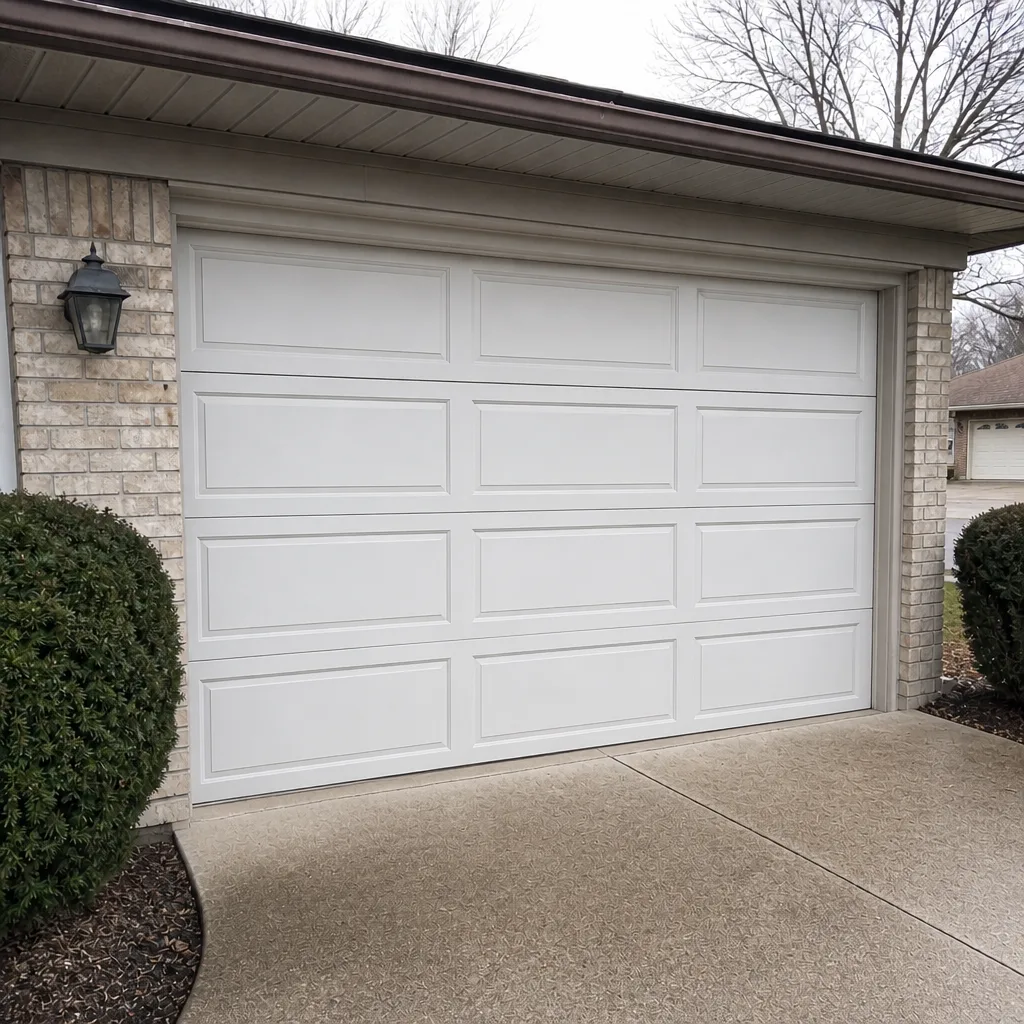
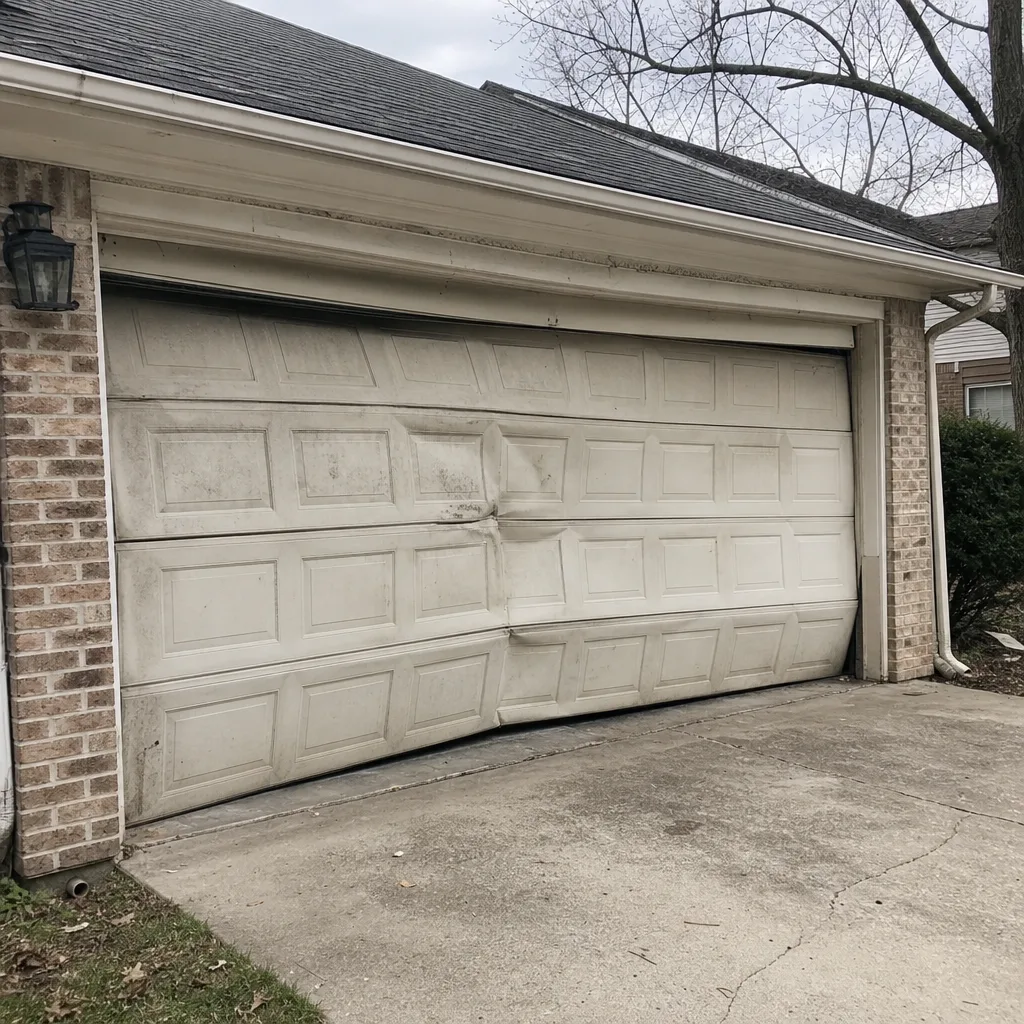
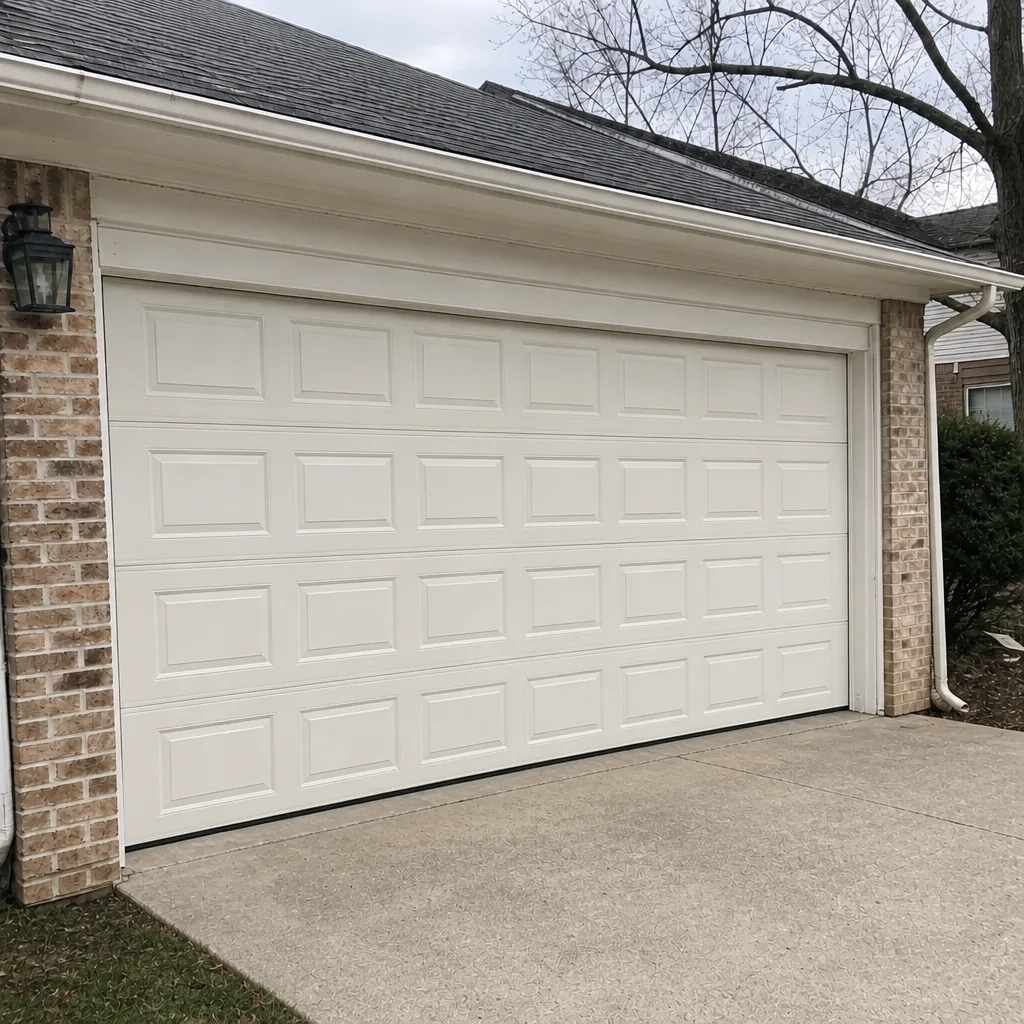
See the difference
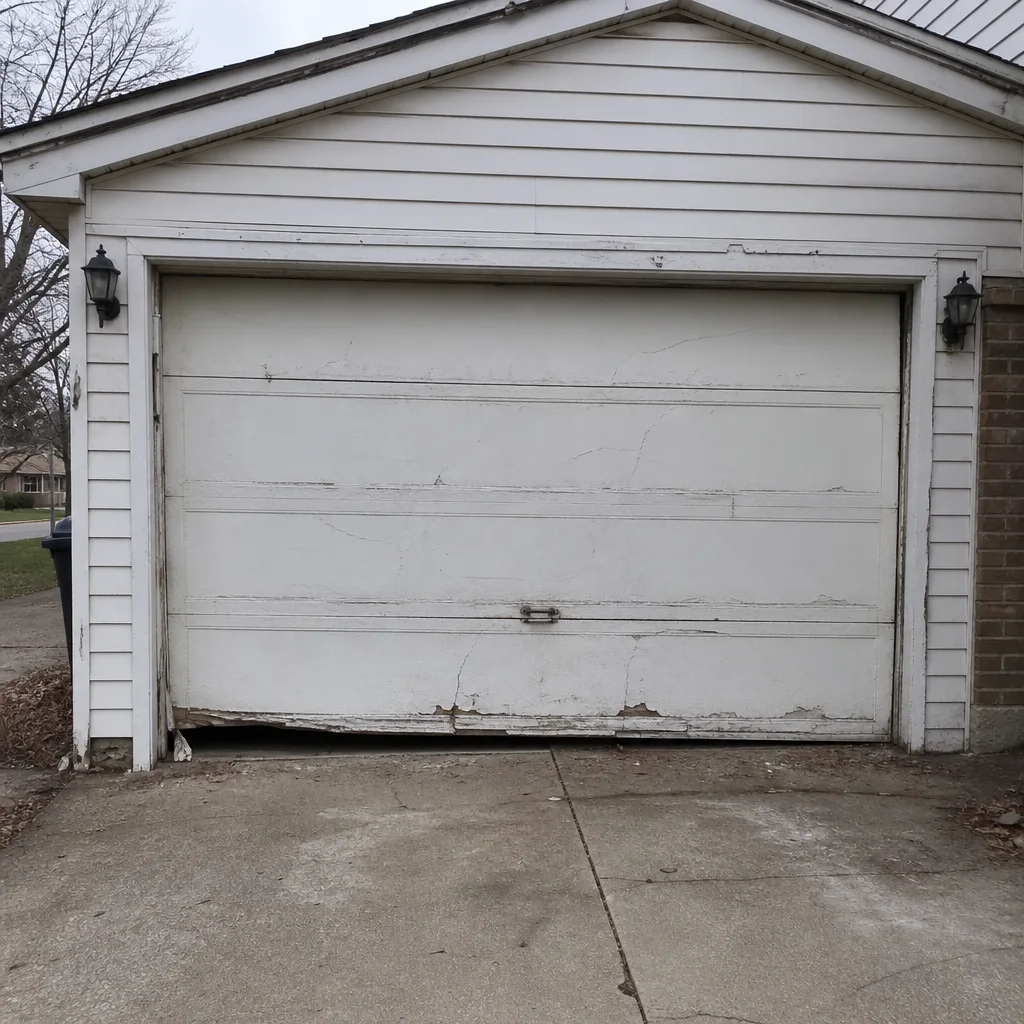 Before
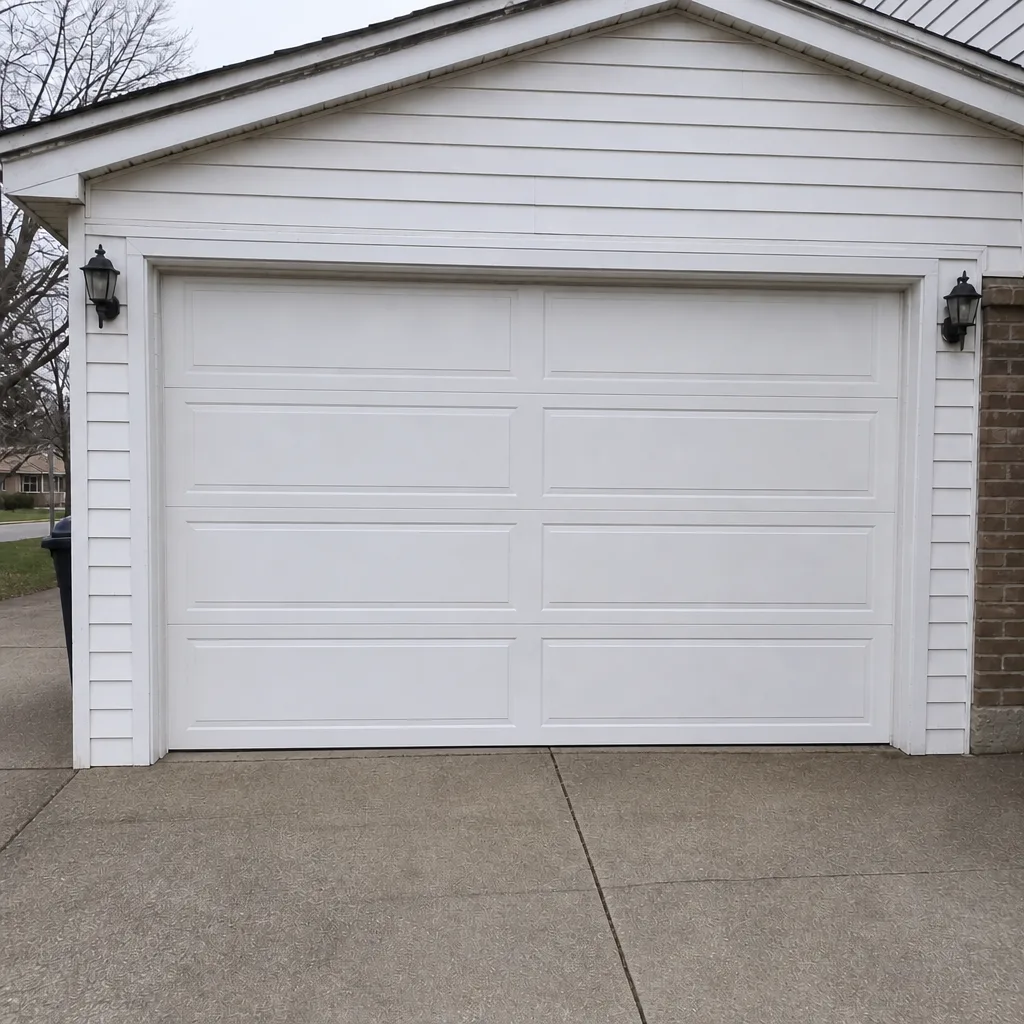 After
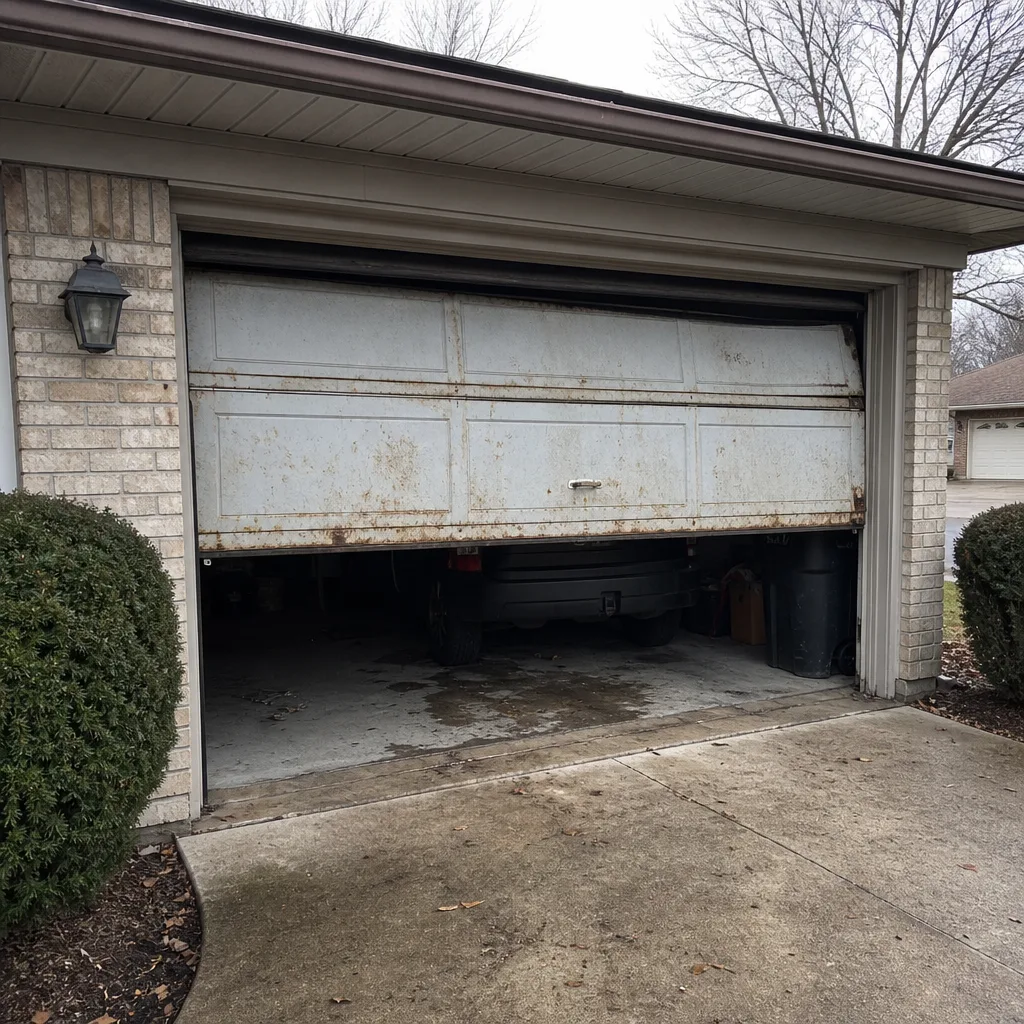 Before
 After
 Before
 After
When to Call a Professional
Some jobs belong in your hands, and some don’t. Call a professional if your door won’t stay balanced at the halfway point, if a spring is visibly stretched or broken, if you hear grinding or popping from the opener, if the door reverses unexpectedly, or if a cable is frayed or kinked. Those are all signs that the hardware is under stress and needs a trained eye. If you’ve been skipping lubrication for a season or more, a professional inspection is a smart first step – it catches wear you can’t see. Ironwood Garage Door Repair offers free estimates in Indianapolis – call (844) 834-1874. We answer 24/7, and with fast dispatch from 7am to 7pm, Sunday through Friday, we can usually get a technician to your door the same day for repair work. We’re closed Saturday, but a call outside dispatch hours is booked into the next opening.
Frequently Asked Questions
Four times a year is the right rhythm: October, March, June, and September. Each visit matches a distinct seasonal stress period in central Indiana. A single annual tune-up misses the gaps between seasons when wear builds unnoticed. Call (844) 834-1874 to schedule a service visit – estimates are free.
You can safely lubricate rollers, hinges, and bearing plates yourself with a purpose-made garage door lubricant. Spring coils, cables, and opener internals are professional territory because of the tension involved. If you’re not sure which parts are which, a technician can walk you through it during a service call. Call (844) 834-1874 for a free estimate.
Using WD-40 on springs is the most common one. It’s a penetrating oil, not a lasting lubricant, and it strips the protective coating off the spring, which accelerates corrosion. Use white lithium grease on springs instead. If your springs already look corroded, a professional inspection is worth booking – call (844) 834-1874.
Skipped lubrication leads to worn rollers and misaligned tracks, which means a roller-and-track replacement that costs several times what a lubrication visit costs. Spring corrosion shortens spring life, and a binding door strains the opener, leading to opener replacement earlier than necessary. The exact figures depend on your door and hardware. Call (844) 834-1874 for an exact quote – estimates are free.
Yes, it does. Central Indiana’s freeze-thaw winters stress springs, cables, and seals, while humid summers thin grease and dry out rubber seals. That’s why a seasonal schedule works better than a single annual visit. The stress periods are predictable, and you can get ahead of them. Call (844) 834-1874 to book a service before the next season turns.
We connect homeowners with independent, state-licensed professionals who are insured and bonded. Our technicians have up to 9 years of experience and are factory-familiar with the major brands, from LiftMaster and Chamberlain to Genie, Clopay, Amarr, Wayne Dalton, Craftsman, and Raynor. Call (844) 834-1874 for a free estimate.
We’re closed Saturday, and we’re open Sunday through Friday, 7am to 7pm. You can call (844) 834-1874 and we answer 24/7; a call outside dispatch hours is booked into the next opening. Sunday through Friday, we can usually get a technician to your door the same day for repair work. Estimates are free.
No. The price is quoted and agreed before any work starts, so the written estimate sets the final price. If we find something beyond the original scope during the inspection, we’ll explain it, quote it, and get your approval before proceeding. Call (844) 834-1874 for a free estimate.
The Bottom Line
A maintenance schedule tied to Indianapolis’s climate calendar, not to a convenient moment, is what keeps a garage door running through the hard months. October lubrication and tension checks get you ahead of winter; March inspections catch what winter did; June and September keep the door balanced through heat and humidity. The homeowner-safe tasks – lubrication, visual checks, balance and safety reversal tests – do most of the preventive work. The tension-critical tasks belong to a professional. Keep the cheap tasks on the calendar, and the expensive repairs stay off your list. If you’re not sure where your door stands, a free estimate from Ironwood Garage Door Repair is a good place to start. Call (844) 834-1874. We answer 24/7. Fast dispatch from 7am to 7pm, Sunday through Friday.
Written by the team at Ironwood Garage Door Repair.