
Last updated November 15, 2026
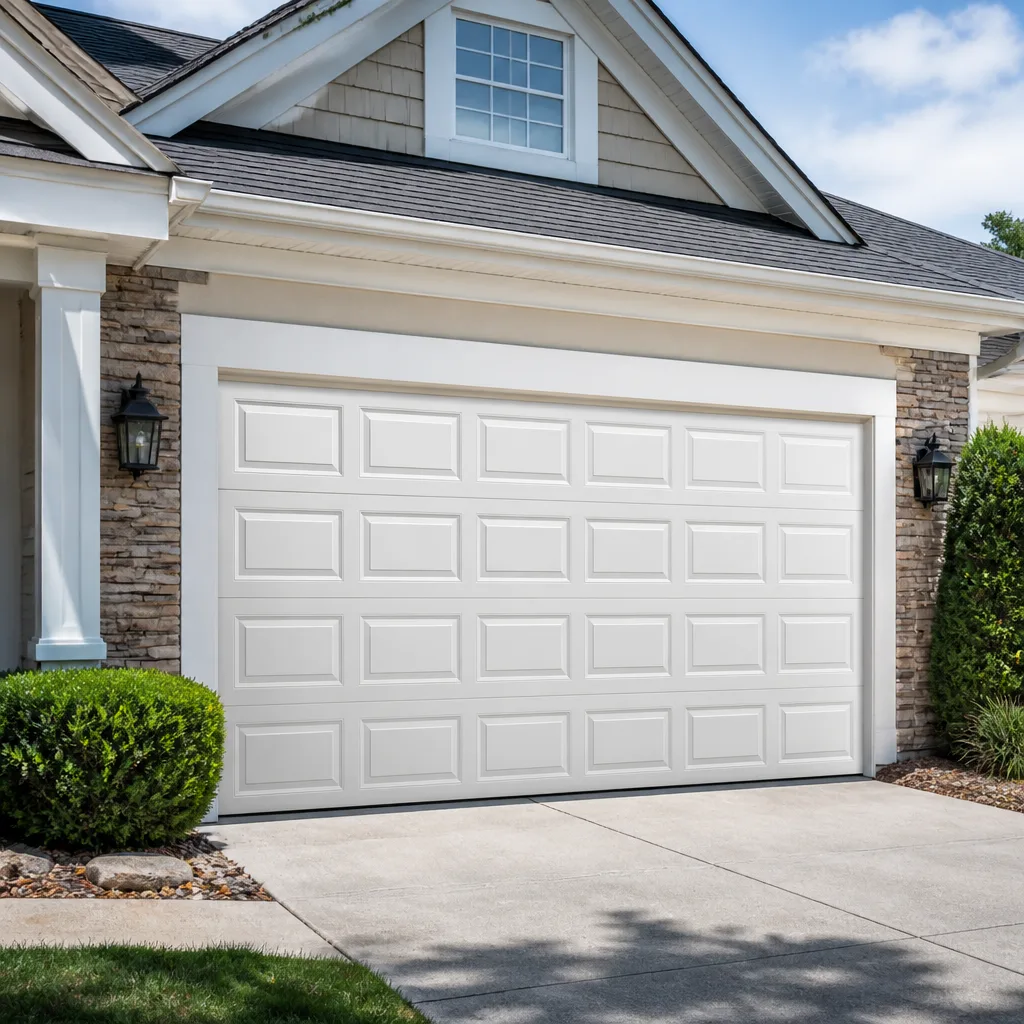 Raised-panel steel
 Carriage house
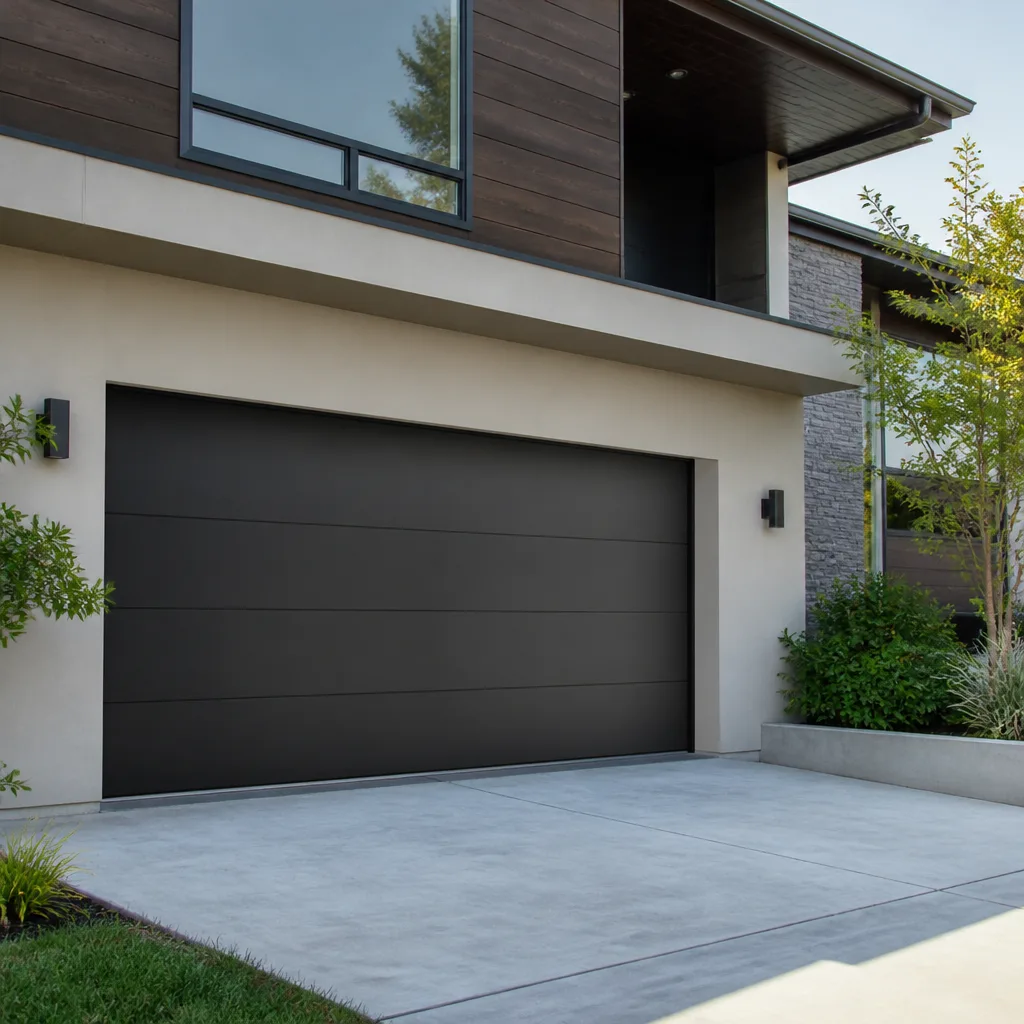 Modern flush
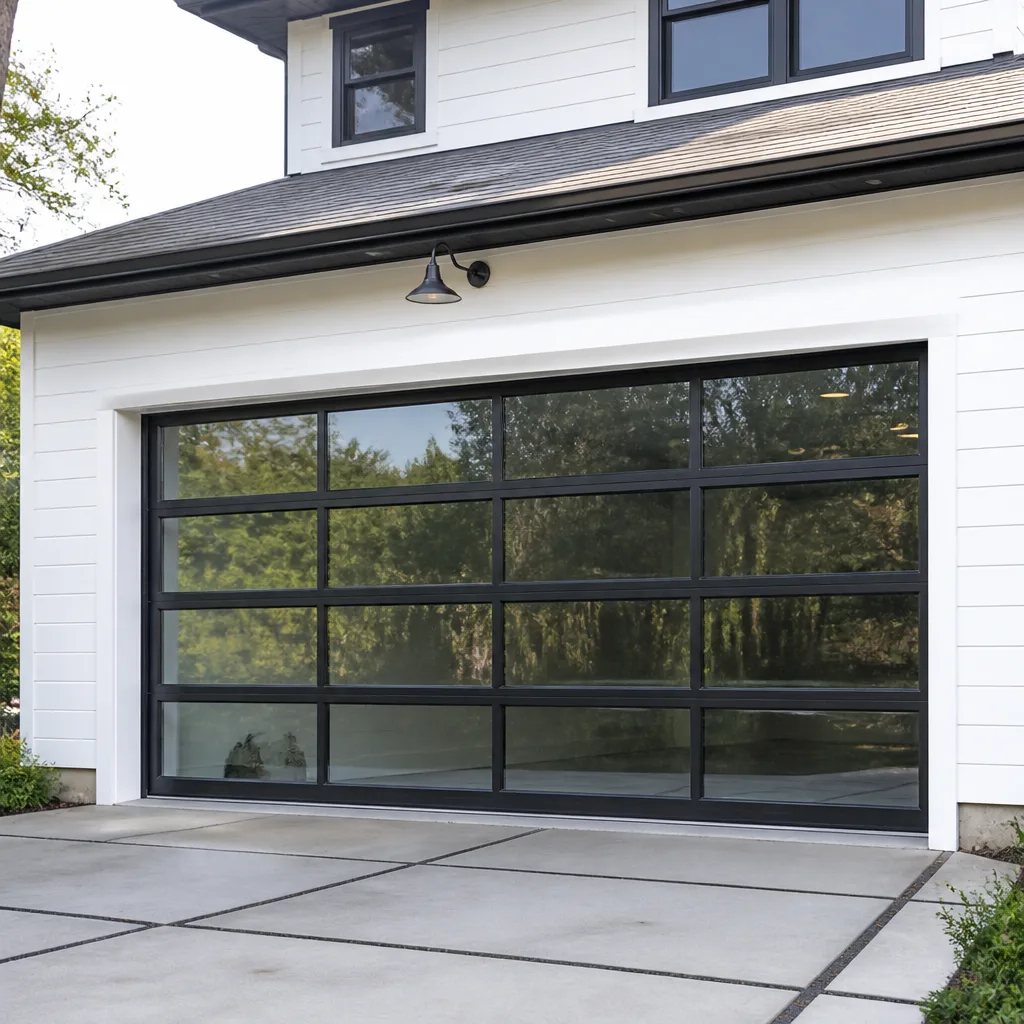 Full-view glass
 LiftMaster openers
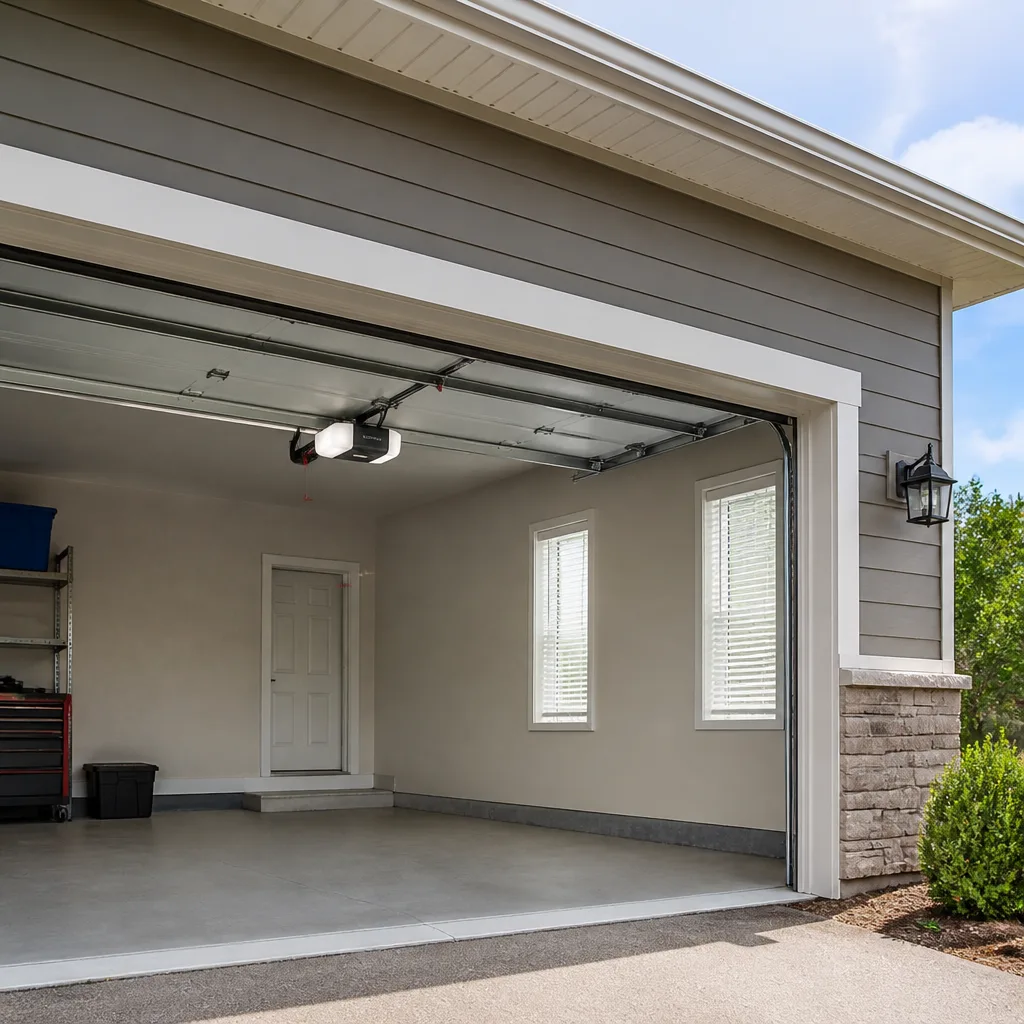 Chamberlain openers
Full 25-point door and opener safety check with every visit - springs, cables, rollers, tracks, and your LiftMaster or Chamberlain opener included
You get a price before we start. It does not change when the pro arrives.
Get your free estimateGarage Door Warning Signs: An Indianapolis Homeowner’s Reference Guide
Two garage doors can make noise on the same morning and need completely different responses. One is a safety failure waiting to happen. The other is a worn roller that costs less than a tank of gas to replace. The problem is that most homeowners treat every garage door warning sign the same way – either panicking over nothing or ignoring something that matters. This guide fixes that. We’ll walk through a triage system built for Indianapolis homes: which signs mean stop using the door today, which can wait a week, and which you should just keep an eye on. You’ll learn what’s unique to central Indiana’s climate, how to tell a spring problem from a cable problem without tools, and the four-minute inspection that catches most failures before they happen.
Quick Answer
Garage door warning signs fall into three tiers: stop now (a door that reverses unexpectedly, a snapped spring with the door stuck open, a visibly frayed or hanging cable, a door that comes off its track), schedule within a week (grinding or squealing that’s new, a door that’s noticeably heavier to lift by hand, an opener that strains or reverses on the way down), and monitor (a single squeaky hinge, minor weather-seal gaps, a slow-changing noise you can’t quite place). Sorting a sign into the right tier is the whole job – and it’s what keeps Indianapolis homeowners from either overspending or taking a real risk.
Styles & brands we work with
- Raised-panel steel
- Carriage house
- Modern flush
- Full-view glass
- LiftMaster openers
- Chamberlain openers
Table of Contents
- The Three-Tier Triage System
- Tier 1: Signs That Mean Stop Using the Door
- Tier 2: Signs to Schedule Within a Week
- Tier 3: Signs to Monitor for Now
- Indianapolis Climate Clues: Seals, Salt, and Rust
- Spring vs. Cable: Telling a Heavy Door Apart Without Tools
- Opener Warning Signs That Get Misread as Door Problems
- The Four-Minute Visual Inspection
The Three-Tier Triage System
Most garage door advice treats every warning sign as equally urgent. That’s the wrong frame. In our experience working on doors across Indianapolis, the practical question is never “is this a warning sign?” – it’s “how fast does this one need to be addressed?” Sorting signs into three tiers answers that question before you pick up the phone or decide to wait.
The tiers work like this:
- Stop now. The door poses an injury risk or has already failed in a way that could drop it. Stop operating it and call for garage door repair.
- Schedule within a week. Something is wearing or straining. It will keep working for a little while, but the longer you run it, the more of the door system it takes with it.
- Monitor. A minor annoyance or a slow-developing issue. Watch it, note whether it worsens, and fold it into a future visit.
Why does the tier matter more than the sign itself? Because a single symptom like “the door is heavy” can sit in Tier 1 or Tier 3 depending on the cause. The symptom is the clue. The tier is the decision. And for every tier, the repair is done by a technician who is licensed and insured, and the price is quoted and agreed before any work starts.
One more thing: a sign can move tiers. A grinding noise that starts as Tier 2 and gets sharper and louder over two weeks is now dragging on a component that’s close to failing – treat it as Tier 1 until a technician tells you otherwise. That shift is exactly the kind of judgment a homeowner develops after one round of this guide.
Tier 1: Signs That Mean Stop Using the Door
If you see any of the following, stop operating the door and leave it in whatever position it’s in – open or closed. These aren’t “get to it this weekend” items. They’re the ones where running the door once more can turn a repair into a bigger job or, worse, an injury.
- The door reverses or stops for no reason. Random reversing points to a safety-sensor or opener logic problem. If the reversal happens on the way down, the door is not reliably keeping itself from closing on someone.
- You can see a snapped spring. A torsion spring that has broken usually shows a visible gap in the coil. On a torsion system, a door with one broken spring can be dangerously unbalanced. Do not try to lift it by hand and do not try to replace the spring yourself – high-tension springs and cables store enormous force and can cause serious injury. This is a trained-professional job.
- A cable is frayed, kinked, or hanging loose. Cables are under constant load. A damaged cable can let the door drop.
- The door is off its track or visibly crooked. A panel has jumped the track or a roller has failed. Running the opener now can bend panels, strip the track, and pull the door into the header.
- The opener runs but the door doesn’t move. This can mean a stripped gear or a broken spring – either way, stop cycling the motor.
- The door slams closed instead of cushioning. A failed torsion system or a bad safety reverse is a foot-and-fingers hazard.
Indianapolis winters make one of these more likely than you’d guess: cold stiffens the grease on tracks and rollers, and a door that was marginal in fall can fail on the first hard freeze. If the door is stuck open and the house is open to the weather, that’s a same-day problem – call and we’ll get a technician out. We answer 24/7, and fast dispatch runs 7am to 7pm, Sunday through Friday.
Tier 2: Signs to Schedule Within a Week
Tier 2 is the widest and most important band. A sign here means the door still works, but the underlying part is degrading and is dragging on other components as it goes. Waiting a month usually converts a Tier 2 into a Tier 1.
The classic Tier 2 signs:
- A new grinding or squealing noise. A single squeaky hinge or a dry roller can often be a Tier 3. A grinding that starts suddenly and repeats every cycle usually means a roller is seizing, a bearing is dry, or the opener’s gear is wearing – schedule it.
- The door feels noticeably heavier when you lift it by hand (disconnected from the opener). No tools needed to test this: pull the red release cord, lift the door by hand. A properly balanced door opens with one hand and stays where you put it. A door that sinks on its own or takes two hands is telling you the springs are losing tension.
- The opener strains or hesitates on the way up. If it seems to labor more than it did last month, something in the door is binding. Left alone, the opener works harder and its gear and motor take the hit.
- Visible gaps of light around the door. In Indianapolis, weather seal shrinkage shows up as daylight under or around the door, especially in winter. A seal that’s pulling away lets cold air, water, and pests in.
- A door that closes and then opens a crack. A safety-reverse that’s slightly out of adjustment can be a Tier 2 adjustment – but treat any downward reversal as urgent until it’s been checked.
Tier 2 is where the “schedule within a week” rule saves real money. A seizing roller is a small part. A seizing roller that runs for a month can wear the track, strain the opener, and (on an older door) contribute to a cable failure. Our technicians work on LiftMaster and Chamberlain openers every week, and the most common thing we hear is that a small noise was ignored until the opener stopped. Diagnosing it correctly the first time is the whole point of scheduling the small stuff early.
Tier 3: Signs to Monitor for Now
Tier 3 signs are real but low-stakes. They’re the ones to note and keep an eye on. None of them require an emergency call, and none are an excuse to ignore the door for a year.
- One squeaky hinge or roller. A single high-pitched squeak from one moving part is usually just a dry pivot. Watch whether it spreads.
- Slight cosmetic wear on a panel. A scuff or a small dent on the bottom section doesn’t affect safety. It becomes Tier 2 when the panel starts to crack or the section bends at the hinge.
- A soft, slightly uneven sound on one side. Uneven sound can indicate a roller on its way out. If it doesn’t change shape over a few weeks, it can wait.
- A small weather-seal gap at one corner. Cosmetic-level seal wear can wait, but if it’s a winter light gap, plan it into next season’s maintenance.
- Opener light flickering or slow to respond. A remote or a wall control that starts misbehaving is usually a battery or programming question. Note it. If it gets worse, that’s an opener diagnostic.
Monitor means monitor – not forget. A Tier 3 item on your list should get checked on the four-minute inspection (below) every month or two, and any escalation in sound, weight, or light gaps moves it up a tier. This is the low-meddling, high-return habit that prevents most avoidable garage door failures in Indianapolis homes.
Indianapolis Climate Clues: Seals, Salt, and Rust
Central Indiana’s seasonal swings leave garage doors with a specific set of warning signs that homeowners in milder climates rarely see. The two most common are weather-seal shrinkage and panel rust lines from road-salt splash. Both are slow, both are easy to spot, and both are easy to miss until they’ve already caused a problem.
Winter seal shrinkage. A rubber or vinyl bottom seal that fit snugly in fall can pull away as the weather turns cold and dry. The sign is a thin line of daylight under or around the door – most visible in the dark hours when the garage light is on and the driveway is dark. That gap lets cold air in, which is the obvious cost, and it lets water in when snow melts, which is the less obvious one. Water that collects at the bottom of the door freezes and thaws, and repeated freeze-thaw cycles are brutal on seals and bottom panels.
Panel rust lines from salt. In Indianapolis, road salt and brine get splashed up on the inside of the bottom door section every winter. The first sign is a thin orange line tracing along the seam where two panels meet, or along the bottom edge of the section. Left alone, that line becomes a rust-through at the hinge points, which weakens the panel and can cause the door to bind. Wipe-down and visual rust checks in late winter catch this while it’s still cosmetic.
Summer heat and warping. The other half of the year, hot cars and asphalt keep the garage warm enough to soften seals and slowly warp a wood or composite panel. A door that rubs at one edge only in July is a Tier 2 sign, not a Tier 3 – the rub will gouge the panel and the track.
None of these are a reason to replace a door. They’re the reason to do the four-minute check on a regular rhythm and to treat a new winter light gap or a new rust line as a Tier 2 sign rather than waiting for the door to fail.
Spring vs. Cable: Telling a Heavy Door Apart Without Tools
“Heavy door” is one of those symptoms that points to two very different causes: a spring losing tension, or a cable that’s failing. Homeowners usually assume it’s one or the other, and just as often assume wrong. Here’s a way to tell them apart in about a minute, without a single tool – and without ever touching the spring or cable yourself.
Step 1. Stand back and look. Close the door and look at the torsion spring(s) above the door. On most Indianapolis doors this is the horizontal coil at the very top. A visible gap in the coil means a snapped spring. On the sides of the door, look at the cables that run from the bottom corners up to the drums. A badly frayed, kinked, or slack cable is a cable warning sign. Don’t touch either – just look.
Step 2. Pull the red release cord. With the door all the way closed, pull the red cord to disconnect the opener. Never step under a door in this state. Now try to lift the door slowly, by hand, from the middle.
Step 3. Read the result. A door that lifts with one hand and stays put when you let go is balanced – the springs and cables are doing their job. A door that feels heavy, wants to sink, or takes two hands points to the lifting system.
How to tell the two apart:
- Spring warning sign: the door feels heavy and sinks on its own, and there may be a visible gap in the coil at the top. The noise at failure is usually a loud bang.
- Cable warning sign: the door hangs crooked, one side lifts but the other drags, or the cable on one side is clearly slack or frayed. The door can also drop suddenly if the cable snaps while you’re testing.
- Both: a snapped spring usually slackens the cables too, so a heavy door with a visible coil gap is a spring-and-cable job. Stop the test and call a technician.
This is where we draw the safety line. High-tension springs and cables can cause serious injury, so what you’re doing above is checking, not repairing. If the door is heavy, crooked, or visibly failed, reconnect the opener if you can safely reach it and call for help. Our technicians work on Raynor and Genie door systems across Indianapolis, and the heavy-door check is one of the fastest ways to tell whether you need a spring-and-cable visit or something less involved. We answer 24/7 and dispatch crews from 7am to 7pm, Sunday through Friday.
Opener Warning Signs That Get Misread as Door Problems
A huge share of “garage door problems” in Indianapolis aren’t door problems at all – they’re opener problems, and the reverse is just as true. Both halves of the system produce symptoms that look identical to a homeowner, which is why we start every diagnosis by asking which one is actually behaving oddly.
Signs that are actually opener problems:
- The door reverses on the way down but lifts fine. This is almost always a safety-sensor or opener logic issue, not a spring or cable problem. Check that the sensors at the bottom of the track are aligned and that nothing (a spiderweb, a fallen leaf, a trash can) is breaking the beam.
- The door opens partway and stops, or opens again on its own. The opener’s travel limits are out of adjustment, or its gear is stripping. A garage door opener repair visit handles this – and it’s a separate job from a door repair.
- The opener runs but the door doesn’t move, and the door feels normal by hand. That points to the opener’s carriage or drive, not the door.
- The remote or wall control works intermittently. Battery, programming, or a failing logic board. Not a door symptom.
Signs that are actually door problems (misread as opener problems):
- The opener “struggles” but the door is fine electrically. The door is binding on a roller, a track, or a worn hinge. The opener is doing extra work because the door is dragging. Left alone, the opener burns out trying to compensate.
- The door rises unevenly. Opener strain on one side is actually a door balance problem.
- The opener cuts out after a few cycles then works again later. Sometimes the door is creating more resistance than the opener can sustain, and the opener trips its thermal protection. That’s a door diagnosis, not an opener one.
Correct diagnosis matters here because a panel-only shop might miss an opener fault, and an opener-only shop might never look at the door’s rollers and track. Ironwood covers the whole system – from the spring to the smart opener – so the diagnosis isn’t split between two companies. Whether your door runs a LiftMaster or a Chamberlain, the two halves of the system get looked at together.
The Four-Minute Visual Inspection
This is the routine that catches the vast majority of developing problems before they become failures. Four minutes, a flashlight, and no tools. Do it once a month, and again after the first cold snap and the first warm week of spring – those are the two moments in an Indianapolis year when door problems show up.
- Minute 1: Look at the springs and cables. With the door closed, check the torsion coil at the top for visible gaps and the cables at each side for fraying, kinks, or slack. Do not touch. Note anything you see.
- Minute 2: Look at the light. Turn the garage light on with the door down and the room dark. Look for daylight at the bottom seal and each side. Any light gap becomes a note.
- Minute 3: Test the balance. Disconnect the opener with the red cord, lift the door slowly by hand, and check that it feels even on both sides and stays where you put it. Reconnect when done. If it’s heavy, crooked, or sinks, stop and call.
- Minute 4: Listen and look at the opener. Cycle the door with the opener. Listen for new grinding, squealing, or uneven sound. Test the safety reverse: put a small object (a brick or a piece of scrap wood) under the door and confirm it reverses on contact. Note whether the remote worked on the first press and whether the opener’s light came on normally.
That’s the whole routine. Anything you find lands in a tier: a snapped spring or frayed cable is Tier 1, a new grinding or a fresh winter light gap is Tier 2, and a single squeaky hinge or a scuffed panel is Tier 3. Write the notes down – a noise that’s the same in six weeks is different from a noise that’s sharper, and the pattern is what a technician needs to diagnose it the first time.
Common Mistakes to Avoid
- Treating every squeak as urgent and every bang as nothing. A single squeaky hinge can wait; a loud bang with the door stuck open cannot. Flip those two and you waste money on the wrong one.
- Trying to replace a spring or cable yourself. High-tension springs and cables store enough force to cause serious injury. This is a trained-professional job every time, no exceptions.
- Disconnecting the opener to “test” the door while it’s stuck open, then leaving it disconnected for weeks. A disconnected door can drop the moment you touch it. Only test a disconnected door on the ground, and reconnect once you’ve finished checking.
- Ignoring winter light gaps under the door because it’s “just cold.” That gap lets water into the door’s bottom section, and freeze-thaw cycles chew through seals and bottom panels. A winter seal gap is a Tier 2 sign, not a cosmetic one.
- Missing the road-salt rust line because it’s only cosmetic at first. In Indianapolis, the orange line at the seam of the bottom panel is a real warning sign. Left alone, it rusts through at the hinge points and the panel starts to bind.
- Calling a door problem a door problem when it’s actually the opener. Random reversing is a sensor problem; an opener that strains is a door problem. Getting the diagnosis right the first time is cheaper than fixing the wrong half.
- Running the door “one more time” to see if the new grinding noise goes away. It won’t – it’ll spread the wear to the roller, the hinge, the track, and the opener. If a new noise starts, note it and schedule it within the week.
See the difference
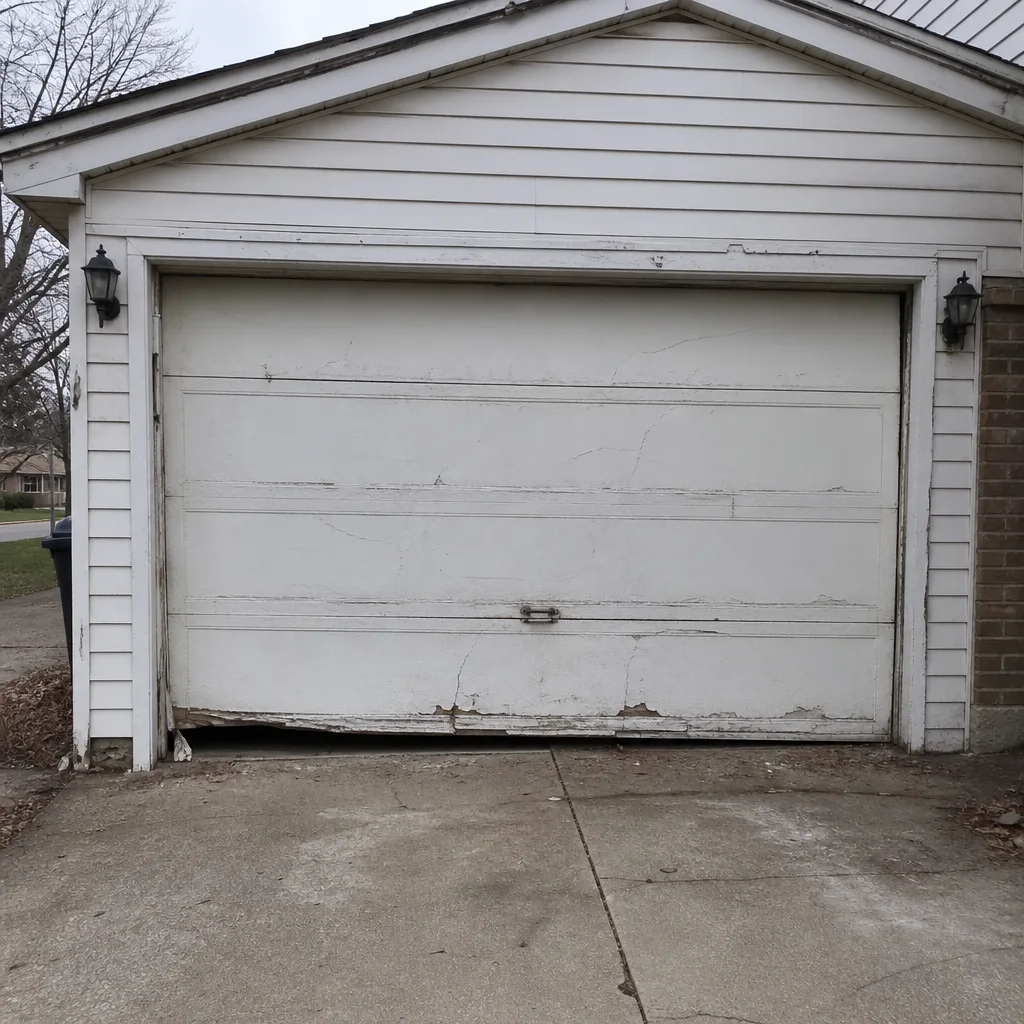 Before
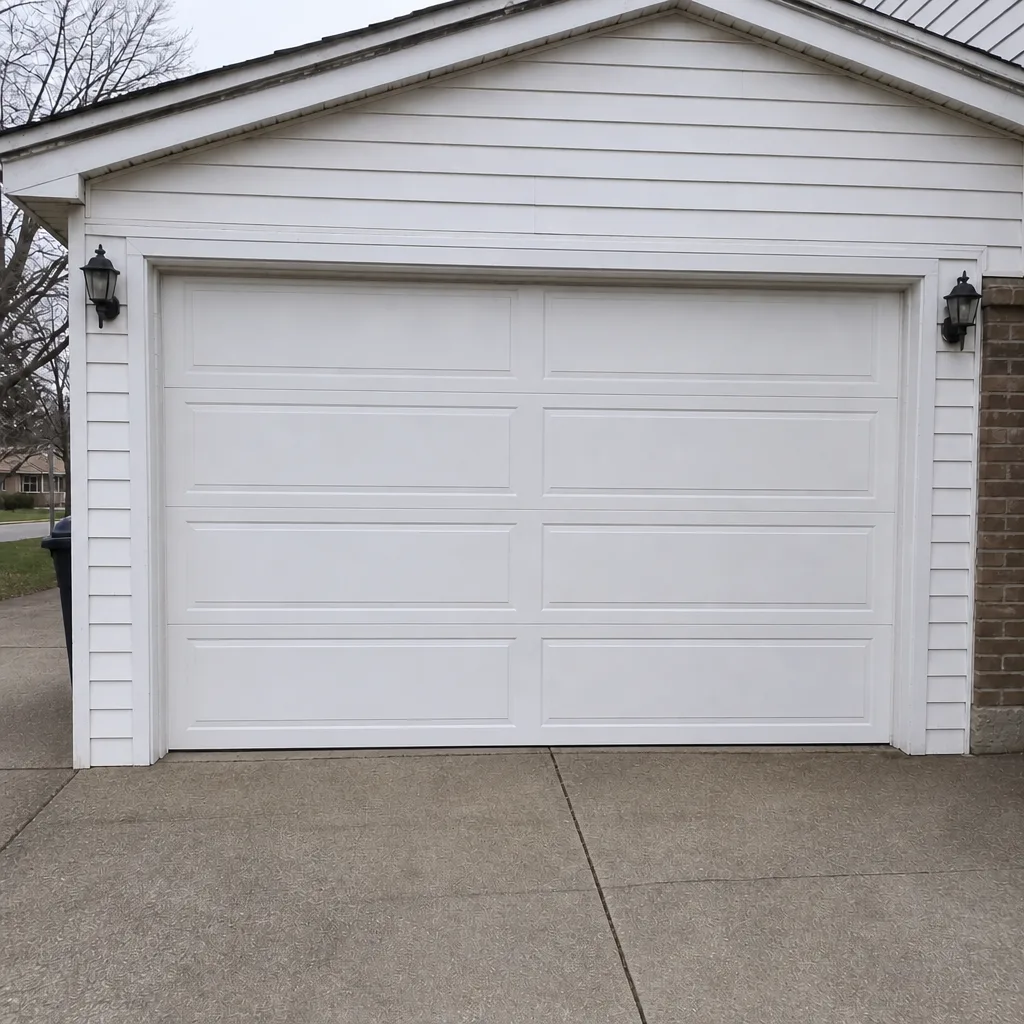 After
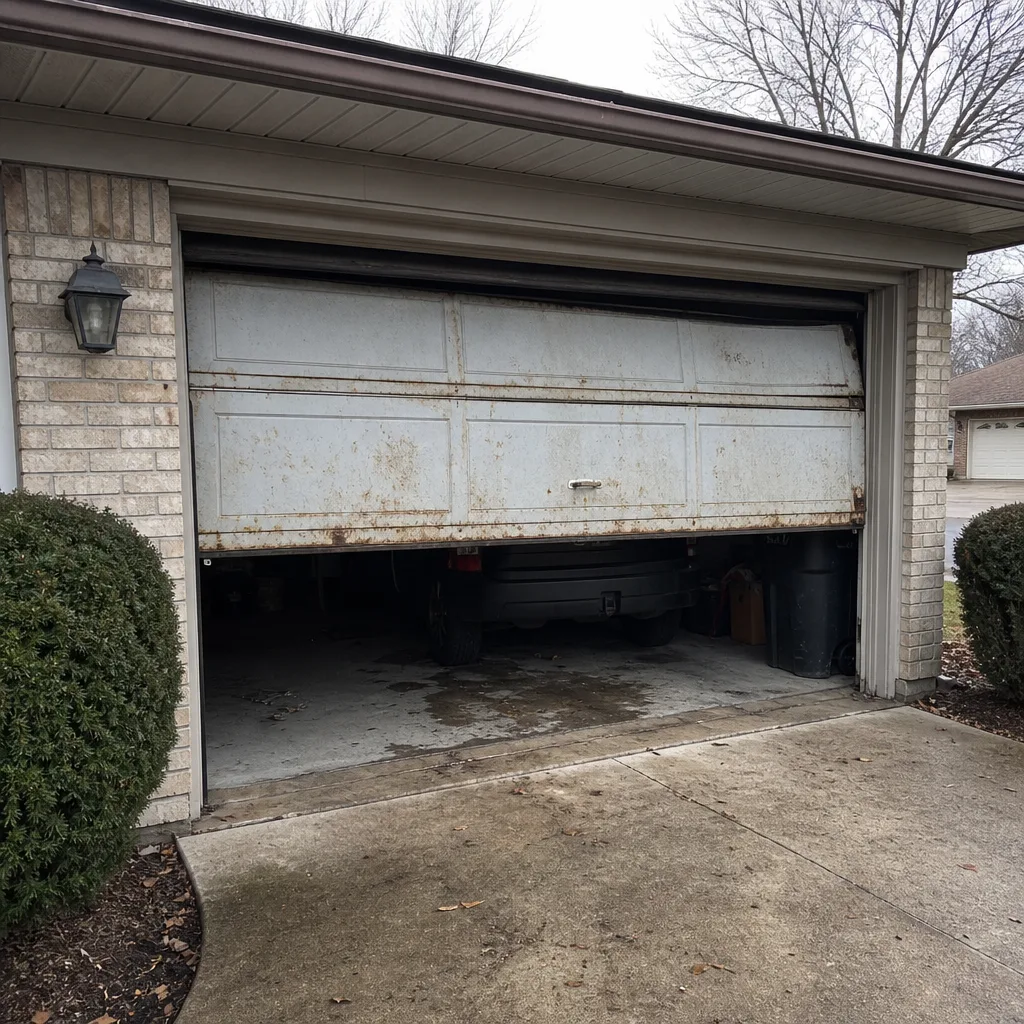 Before
 After
 Before
 After
When to Call a Professional
Call a professional the moment you see any Tier 1 sign: a snapped spring, a door that reverses unexpectedly, a frayed or hanging cable, a door that’s off its track, or an opener that runs with the door locked in place. These are the signs where one more cycle can cost you a panel, a track, or an injury. Call for any Tier 2 sign you don’t want to manage yourself – a new grinding noise, a door that feels heavy by hand, a fresh winter light gap, a rust line at the bottom panel. Tier 3 signs can wait, but note them and check them on the four-minute inspection. If you’re unsure which tier a sign belongs to, that uncertainty is the answer: call and describe what you’re seeing. Ironwood Garage Door Repair offers free estimates in Indianapolis – call (844) 834-1874.
Frequently Asked Questions
The most serious signs are a door that reverses unexpectedly, a snapped spring (visible as a gap in the top coil), a frayed or hanging cable, and a door that’s off its track or crooked. Any of these means stop using the door immediately and call for repair. High-tension springs and cables can cause serious injury, so don’t test them beyond a visual check. Call (844) 834-1874 for an exact quote – estimates are free.
Both, and you can usually tell them apart without tools. A snapped spring shows as a visible gap in the top coil, and the door feels heavy and sinks on its own. A failing cable shows as a frayed or slack line at the side of the door, and the door hangs crooked or drags on one side. If you see either, stop and call.
Cold thickens the grease on tracks and rollers, and a roller that was already wearing can start grinding once the temperature drops. It’s one of the most common cold-weather signs in Indianapolis. Treat it as a schedule-within-a-week item – running it doesn’t fix the roller, and it strains the opener in the meantime.
Random reversing, partway stops, and intermittent remote response are opener signs. Opener strain, uneven lift, and a door that’s heavy by hand are door signs. The simplest test is the balance check: disconnect the opener and lift the door by hand. If it’s heavy or uneven, the door is the problem, not the opener.
It depends on the tier. A single squeaky hinge or a minor weather-seal gap can be monitored. A new grinding noise, a winter light gap, or a rust line at the bottom panel should be scheduled within a week. A snapped spring, a frayed cable, or a door off its track is a stop-now sign. Call (844) 834-1874 for an exact quote – estimates are free.
No – the price is set by the written estimate you agree to before any work starts. Our technicians diagnose the door first, write the estimate, and only begin work once you’ve approved it. If the diagnosis changes the plan, you’ll see a new written estimate before anything else happens, not a surprise invoice. Call (844) 834-1874 for an exact quote – estimates are free.
The Bottom Line
Not every garage door warning sign deserves the same response. Sort each sign into a tier – stop now, schedule within a week, or monitor – and you’ll avoid both unnecessary panic and avoidable failures. The Tier 1 signs (reversing door, snapped spring, frayed cable, door off track) are non-negotiable: stop using the door and call. The Tier 2 signs (new grinding, a heavy door by hand, a winter light gap, a salt-rust line) are where scheduling early saves money. The Tier 3 signs are for the notes, checked on the four-minute inspection. In Indianapolis, climate makes seals, salt, and cold freezes the most common warnings – treat those as Tier 2, not cosmetic. If you’re unsure, call and describe what you see. That’s the whole system, and it’s built to last.
If a warning sign on your door has moved past the “monitor” tier, we’ll diagnose it correctly the first time – on a door system we know inside and out, from Raynor to LiftMaster. Call (844) 834-1874 for a free estimate. We answer 24/7, and fast dispatch runs 7am to 7pm, Sunday through Friday. The price is quoted and agreed before any work starts.
Written by the team at Ironwood Garage Door Repair.