
Last updated November 15, 2026
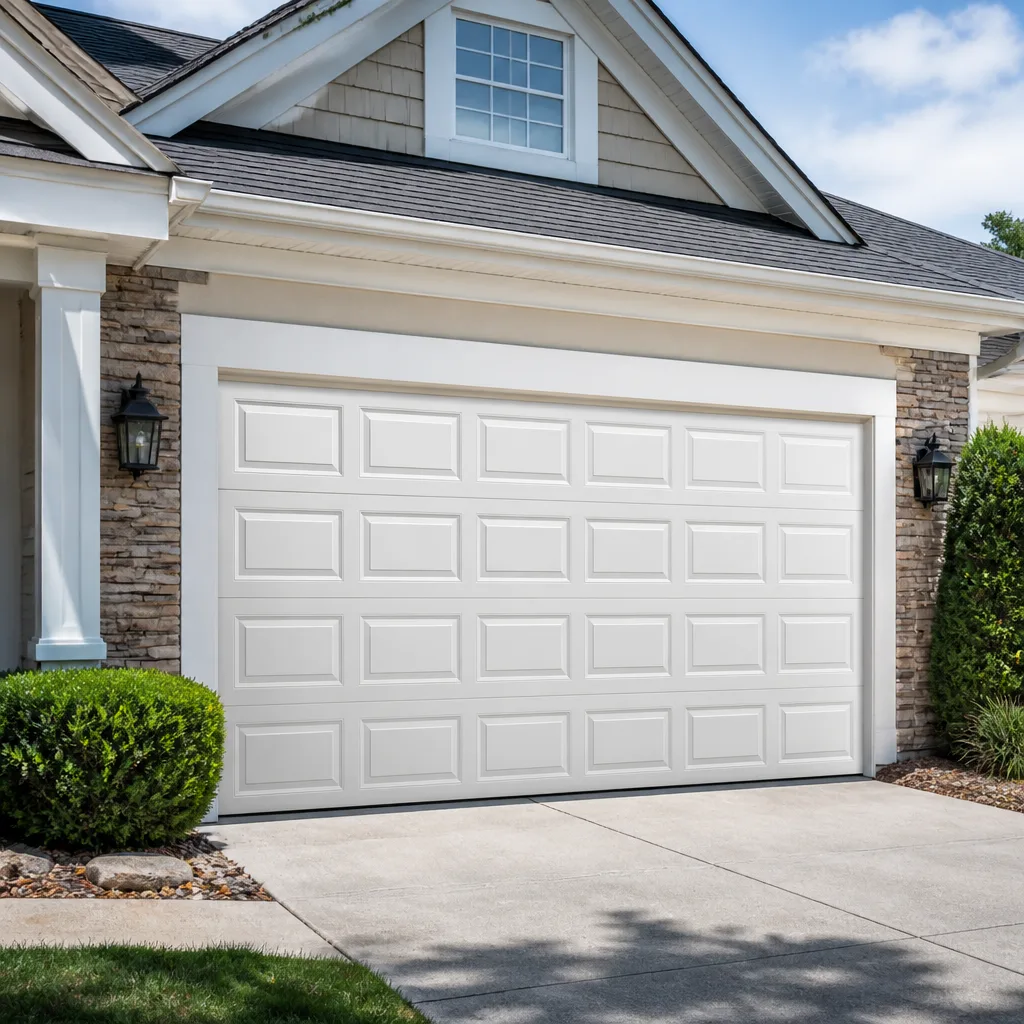 Raised-panel steel
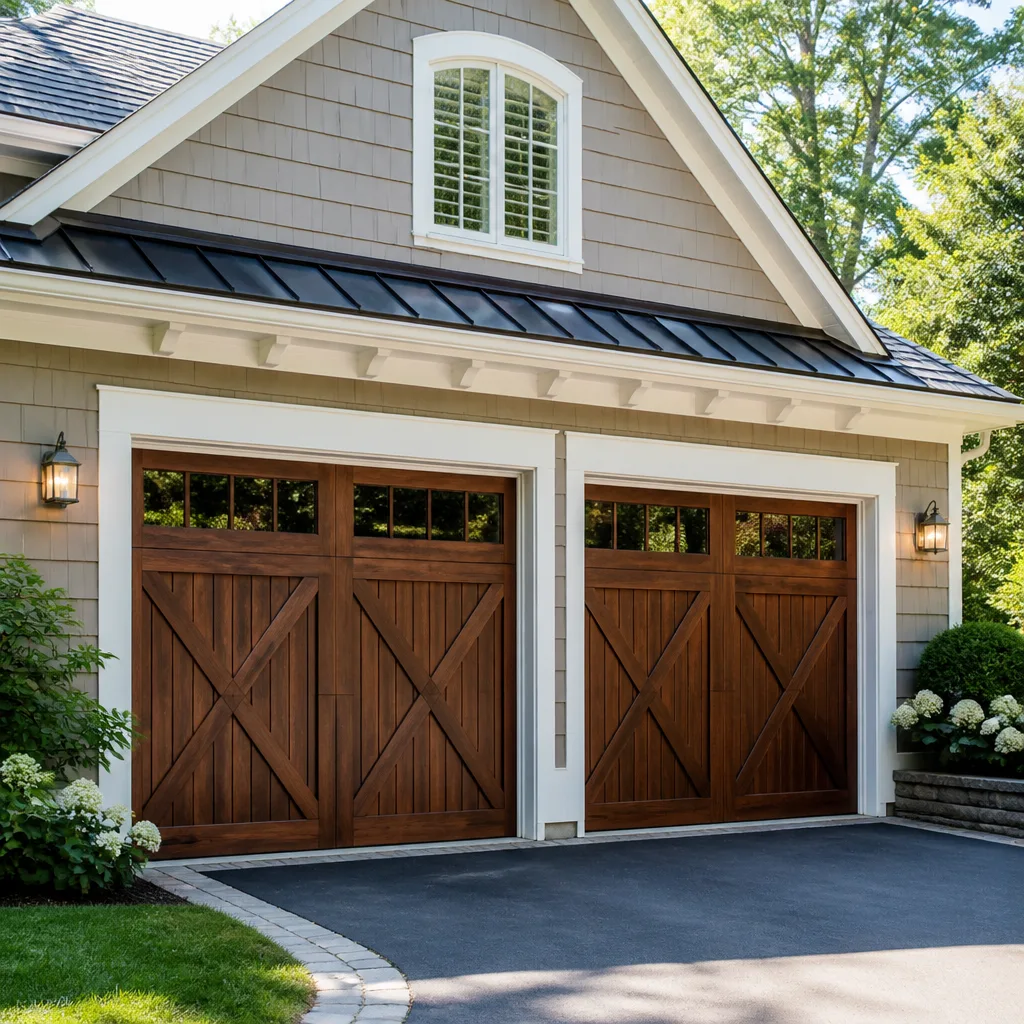 Carriage house
 Modern flush
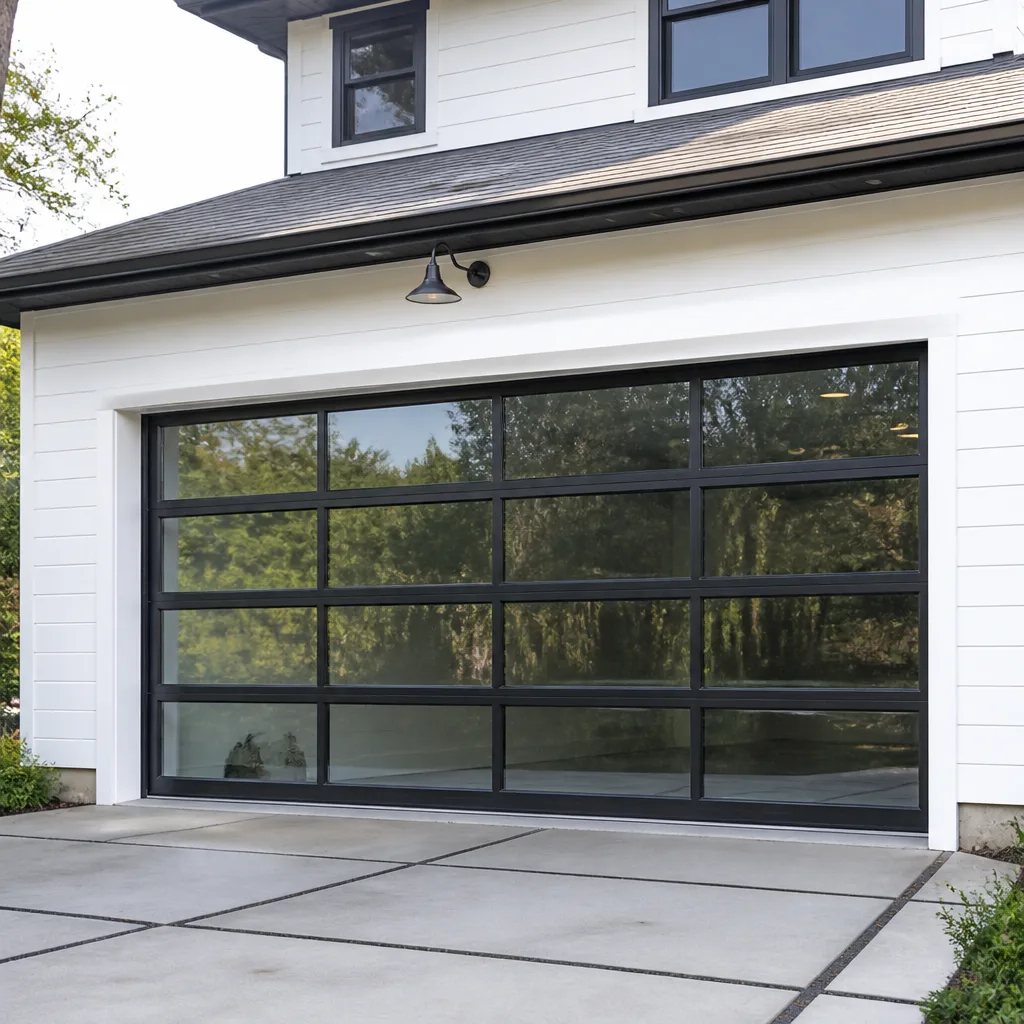 Full-view glass
 LiftMaster openers
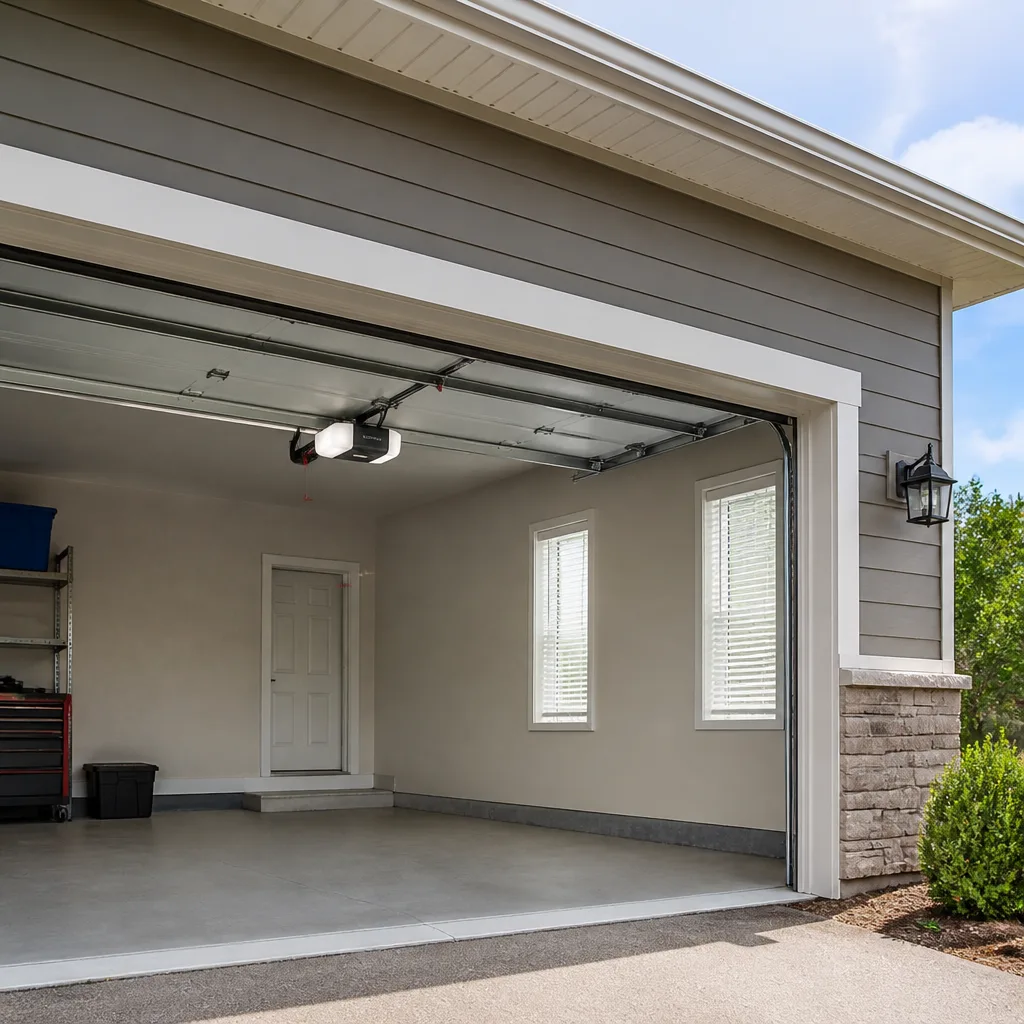 Chamberlain openers
Full 25-point door and opener safety check with every visit - springs, cables, rollers, tracks, and your LiftMaster or Chamberlain opener included
You get a price before we start. It does not change when the pro arrives.
Get your free estimateGarage Door Permits, Codes & Inspections in Indianapolis, IN: What You Need to Know
Most Indianapolis homeowners assume a permit is only for big projects like room additions or full roof replacements, never for the door their car rolls under every morning. And when the job is a repair, that assumption is correct. But a full garage door replacement is a different animal, and the paperwork gap it can create doesn’t show up right away. It tends to surface years later, during a home inspection, at the worst possible moment in a sale. This guide walks through exactly when Marion County requires a permit for garage door work, how the inspection process actually runs, what buyers’ inspectors are trained to flag, and what to do if you’re the buyer who inherited an unpermitted door. If you’re planning a replacement in Indianapolis, the first thing to understand is where repair ends and replacement begins.
Quick Answer
Repairing an existing garage door, replacing springs, tracks, openers, or panels, generally does not require a permit in Indianapolis. Replacing the entire door with a new one, or changing the door’s size, structure, or header, almost always does, and your city’s building department can confirm the current threshold. Skipping the permit on a replacement doesn’t make the work illegal, but it leaves an open permit violation on the property record that a title search or home inspection can surface years later.
Styles & brands we work with
- Raised-panel steel
- Carriage house
- Modern flush
- Full-view glass
- LiftMaster openers
- Chamberlain openers
Table of Contents
- Repair vs. Replacement: Where the Permit Line Falls
- When Does Indianapolis Require a Garage Door Permit?
- Indiana’s Energy Code and Insulated Garage Doors
- What Actually Gets Inspected Under Marion County Workflow
- Step-by-Step: Pulling a Permit for a Door Replacement
- How Unpermitted Work Shows Up on a Title Search
- What to Do If a Previous Owner Skipped the Permit
- Common Mistakes to Avoid
Repair vs. Replacement: Where the Permit Line Falls
The single biggest source of confusion in Indianapolis is the difference between repairing a garage door and replacing one. They feel like the same category of job to a homeowner. To the building department, they can be treated very differently.
A repair keeps the existing door in place and restores it to working order. New torsion springs, new rollers, a straightened track, a fresh opener, or even a single damaged section swapped out all fall under repair. No structural change to the opening happens, and no new door is being installed.
Replacement swaps the whole door for a new one, and this is where things split. Straight replacement of a door with an identical one in the same opening is often the borderline case. But if the replacement changes anything about the opening itself, the picture shifts.
A permit is typically triggered when a garage door project touches:
- The size of the opening (wider, taller, or reconfigured)
- The header above the door, or the framing around it
- The number of doors cut into a wall
- Structural elements of the wall the door is set in
- Any change that alters how the door attaches to the building
Here’s the practical way to think about it: if a crew is simply hanging a new door of the same size into the same frame, ask the city’s building department whether a permit is needed for that specific swap. Most homeowners are surprised at how much the answer depends on whether the opening itself is touched. Since we focus exclusively on garage doors, this is a conversation we’re involved in constantly. Our garage door repair work never requires a permit because nothing structural changes, but replacements occasionally do, and knowing which is which saves homeowners a lot of grief.
When Does Indianapolis Require a Garage Door Permit?
Marion County’s building department sets the permit rules for garage door work within Indianapolis, and the threshold is built around whether the project is structural. A permit is generally required when a garage door replacement changes the opening, the header, or the framing in any way. A straight swap of a door into an unchanged opening falls into a gray zone where the answer depends on the specific scope, which is why a quick call to the city’s building department before work starts is worth the five minutes.
Speaking from our own experience in the trade, the safest rule to work with is this: if the door and opening are identical in size and nothing about the wall is touched, ask. If anything about the opening changes, assume a permit is needed.
Things that almost always trigger a permit in Indianapolis:
- Widening or heightening the door opening
- Replacing or modifying the header above the door
- Reframing the wall around the opening
- Adding or removing a door from the wall
- Any change that affects the structural integrity of the wall
Things that generally don’t:
- Replacing springs, cables, or rollers
- Swapping a broken panel for a matching one
- Replacing or repairing the opener
- Straightening tracks
- Replacing weatherstripping or trim
The stakes aren’t small. An unpermitted structural change on a garage can complicate a home sale, create closing delays, and in some cases require the buyer or seller to commission a retroactive permit before the deal closes. Building departments track this quietly on the property record, and it can surface years after the fact. If you want to know whether the door on your house is already on the record, the building department can pull that history for you. Ask first. It’s the cheapest five minutes in the whole project.
Indiana’s Energy Code and Insulated Garage Doors
Indiana has adopted versions of the International Energy Conservation Code (IECC) over the years, and the specific edition currently in force in Marion County matters for one specific garage door question: insulation. This is where garage door code gets more interesting than most homeowners expect.
The code requirement hinges on how the garage is classified in the building’s design. An unconditioned garage, meaning one that’s not heated or cooled, has different requirements than a garage that shares conditioned space. If the garage wall is part of the home’s thermal envelope because living space sits above or beside it, the door can become part of the energy-conservation picture.
What this means in practice:
- An attached garage that’s open to the living space’s thermal envelope may have insulation requirements on the shared walls and ceiling
- A fully detached or unconditioned garage won’t usually trigger insulation requirements for the door itself
- A conditioned garage, or one converted into living space, is where the energy code starts to matter for the door
The specific R-value requirement depends on the IECC edition the city has adopted, so the only number that matters is the one the building department gives you for your specific project. Don’t let a contractor quote a number from a code edition that wasn’t adopted here.
Insulation isn’t just a code question, either. Indianapolis gets cold enough in winter that an uninsulated door on the living space side of a wall acts like an open window. A well-insulated door from a manufacturer like Clopay or Amarr cuts the draft and quietens the door considerably. When we install a new door, we walk homeowners through both the code requirements and the practical comfort question, so the door that gets ordered is the right one for the house, not just the spec sheet.
What Actually Gets Inspected Under Marion County Workflow
The inspection step surprises people who assume it’s just a formality. It isn’t. A garage door replacement that requires a permit involves at least one inspection, and possibly more depending on the scope. Here’s the general shape of the process, and what the inspector is actually there to see.
What inspectors check:
- The door’s attachment to the framing, and the framing’s condition
- The header above the door, if it was modified
- The opening size and whether it matches the permitted scope
- Clearances around the door and whether the door operates without binding
- The safety features on the opener, including the reversal mechanism and photo-eye sensors on doors with openers
- Compliance with the specific scope described in the permit
What inspectors generally don’t check:
- The brand of the door or opener
- Cosmetic details like paint or panel style
- The specific spring type or count
- The aesthetic quality of the trim work
- Whether the door was installed by a specific company
The inspection is about code compliance and safety, not workmanship quality. If the door operates, the opening matches the permit, and the safety features work, the inspection usually passes. If anything is off, the inspector will flag it and require corrections before closing out the permit.
This is where using a specialist saves real time. Because we exclusively install and repair garage doors, our technicians know exactly what an inspector is looking for and can prepare a door for inspection without discovering a problem the day of. Our garage door opener repair work is often where the safety-feature side of the inspection comes together, since the reversal and photo-eye checks live in the opener, not the door itself.
Step-by-Step: Pulling a Permit for a Door Replacement
If your replacement requires a permit, the process is more straightforward than most homeowners expect. Here’s the general sequence, and this is the workflow the building department in Indianapolis follows for garage door work.
- Confirm the requirement. Call the city’s building department with your address and the specific scope of the replacement, and ask whether a permit is required. Note the name of who you spoke to and the answer you got.
- Gather the paperwork. You’ll typically need the property address, a description of the work, the door’s dimensions, and sometimes a drawing showing the opening and header.
- Submit the permit application. The building department will tell you the specific form and submission method. The application fee varies, so ask before you submit.
- Schedule and pass the inspection. Once the door is installed, the inspector reviews the work against the scope. Correction items, if any, are typically re-inspected after the correction is made.
- Close out the permit. On a successful inspection, the permit closes and the property record shows the work as permitted. This is the record that matters years later during a sale.
Two things worth knowing before you start. First, the permit is tied to the property, not the door company, so if you move, the record stays with the house. Second, “the contractor will handle it” is not something to assume, so confirm in writing who is pulling the permit before work starts. In our experience, the clearest arrangement is to have the installing company pull the permit as part of the job, which keeps the paperwork, inspection, and closeout in one place.
How Unpermitted Work Shows Up on a Title Search
This is where unpermitted garage door work creates real consequences, and where the timing catches homeowners off guard. The problem rarely shows up when the work is done. It shows up at the title search, usually two or three years later, during a sale or refinance.
Title searches flag open permits and recorded code violations. If the garage door replacement pulled a permit but never had the inspection closed out, that open permit lands on the title search. If the replacement was done without a permit at all, the record simply shows nothing, and that’s often worse because it means the change was never on the record.
Here’s what buyers’ inspectors are trained to flag on a garage door:
- Mismatched doors of different sizes or styles on the same house
- An opening size larger than the surrounding structure supports well
- An obvious replacement that doesn’t match the surrounding architecture in age or style
- A header or framing modification without visible reinforcement
- Missing or improperly installed safety features on an opener
- Documented work that doesn’t match the property record
None of these are automatically a deal-breaker. But they trigger questions, and questions trigger delays. A buyer’s agent will ask for the permit history, and if the answer is “there isn’t one,” you’re now negotiating from a weak position. In Indianapolis, we’ve seen this story play out enough times to know that the cheapest time to fix an unpermitted door is before the sale, not during it.
What to Do If a Previous Owner Skipped the Permit
If you’ve just discovered that the door on your newly purchased Indianapolis home was replaced without a permit, you’re not in a crisis, but you do have a task ahead of you. The path forward is called a retroactive permit, and it’s designed for exactly this situation.
The general process:
- Pull the property record. Ask the building department for the permit history on your address. This tells you what was permitted historically and what wasn’t.
- Request a retroactive permit. The city’s building department handles these, and the application usually requires a description of the existing work and sometimes a site visit from an inspector.
- Pass the inspection. The inspector reviews the existing door installation against current code. If the door was installed reasonably and safely, this usually goes smoothly. If something is out of code, you’ll be asked to correct it.
- Close out the permit. Once the inspection passes, the property record shows the door as permitted work.
The actual cost of a retroactive permit varies with the scope and the specific fee schedule, and the inspection may reveal corrections that weren’t part of the original install. That’s the part most homeowners don’t expect. A retroactive permit on a door that was installed poorly can cost more to correct than the original installation saved. The written estimate from the building department, plus a repair estimate if corrections are needed, is the number to plan against.
The good news is that retroactive permits are routine. Building departments process them regularly. If you’re not sure where to start, our Indianapolis team can help you understand what a correction would involve, and we can quote on the door work separately from the city’s permit fee.
Common Mistakes to Avoid
- Assuming a repair needs a permit. Replacing springs, rollers, an opener, or a single panel doesn’t trigger a permit in Indianapolis, and pulling one for a repair is a waste of time and money.
- Assuming a replacement doesn’t need a permit. The opposite mistake. If the opening, header, or framing changes in any way, a permit is almost always required, even if it feels like a simple swap.
- Trusting a handshake to “handle the paperwork.” Confirm in writing who is pulling the permit, and check that it’s actually pulled before work starts. A verbal “we’ll take care of it” is not a permit.
- Skipping the inspection closeout. The permit isn’t done when the door hangs. It’s done when the inspection passes and the permit closes. An open permit on record is a problem.
- Not asking about the energy code. If the garage shares a wall with conditioned space, the insulation requirement on the new door matters, and it comes from the current IECC edition adopted by the city. Ask the building department for the applicable number rather than assuming.
- Ignoring a previous owner’s work. If the door on your house was replaced without a permit, the retroactive path is straightforward, but starting it early is much cheaper than starting it mid-sale.
- Hiring a generalist for an inspection-critical job. A handyman who dabbles in garage doors won’t know what an inspector looks for on a door replacement. A specialist does, and that’s what keeps the inspection moving.
See the difference
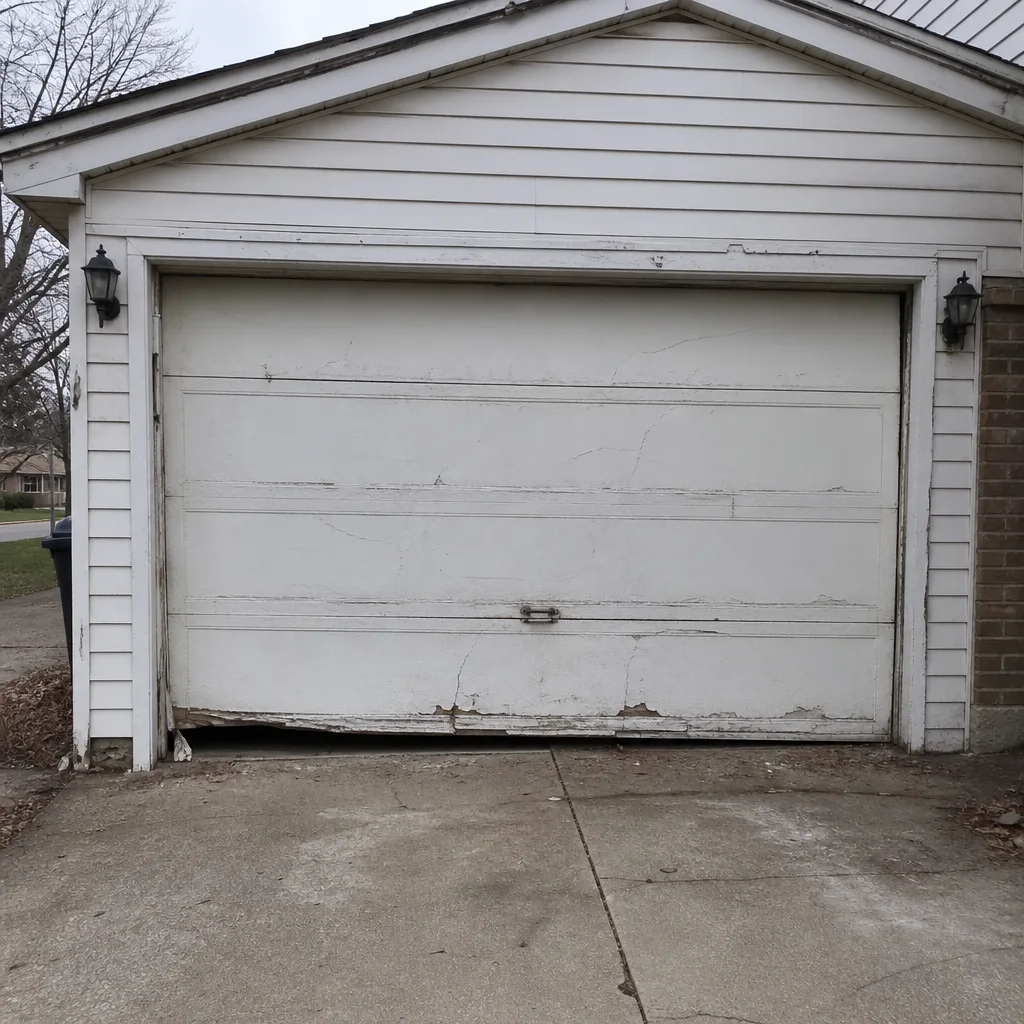 Before
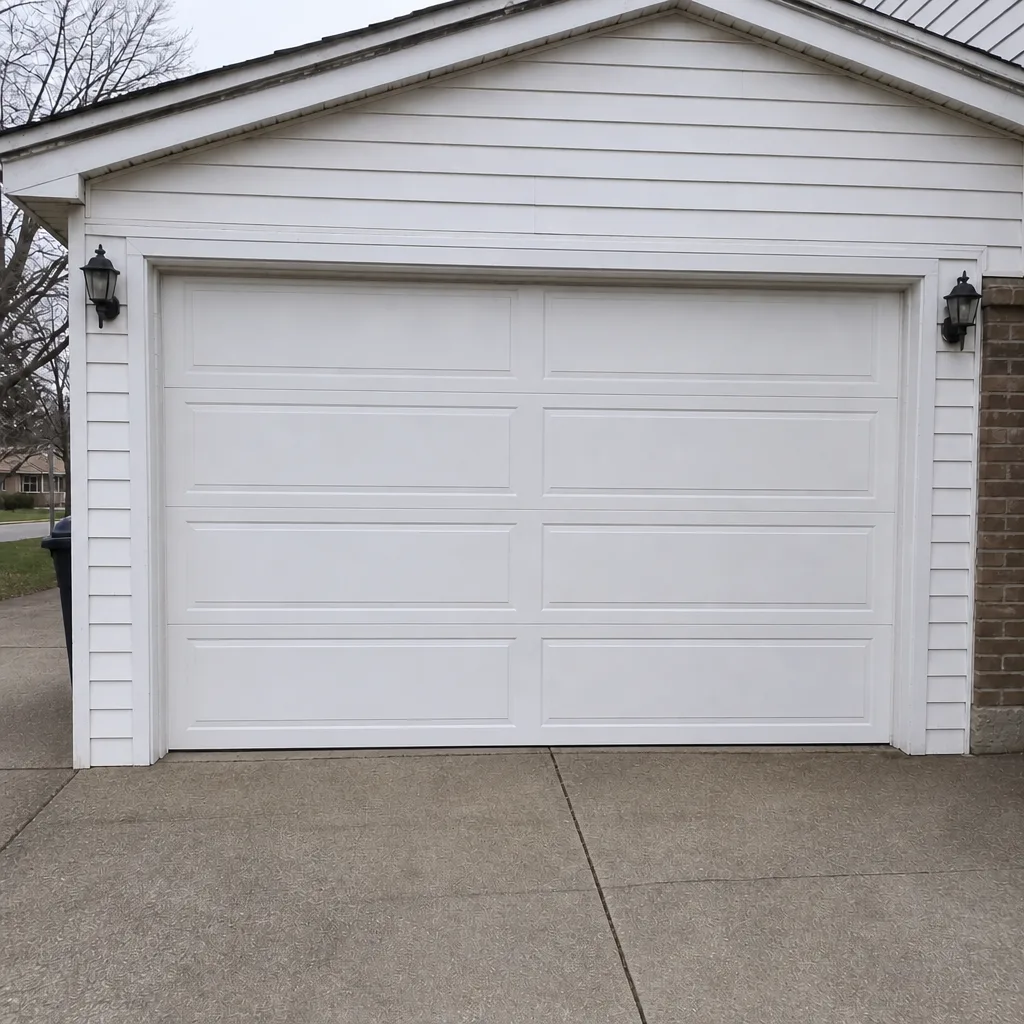 After
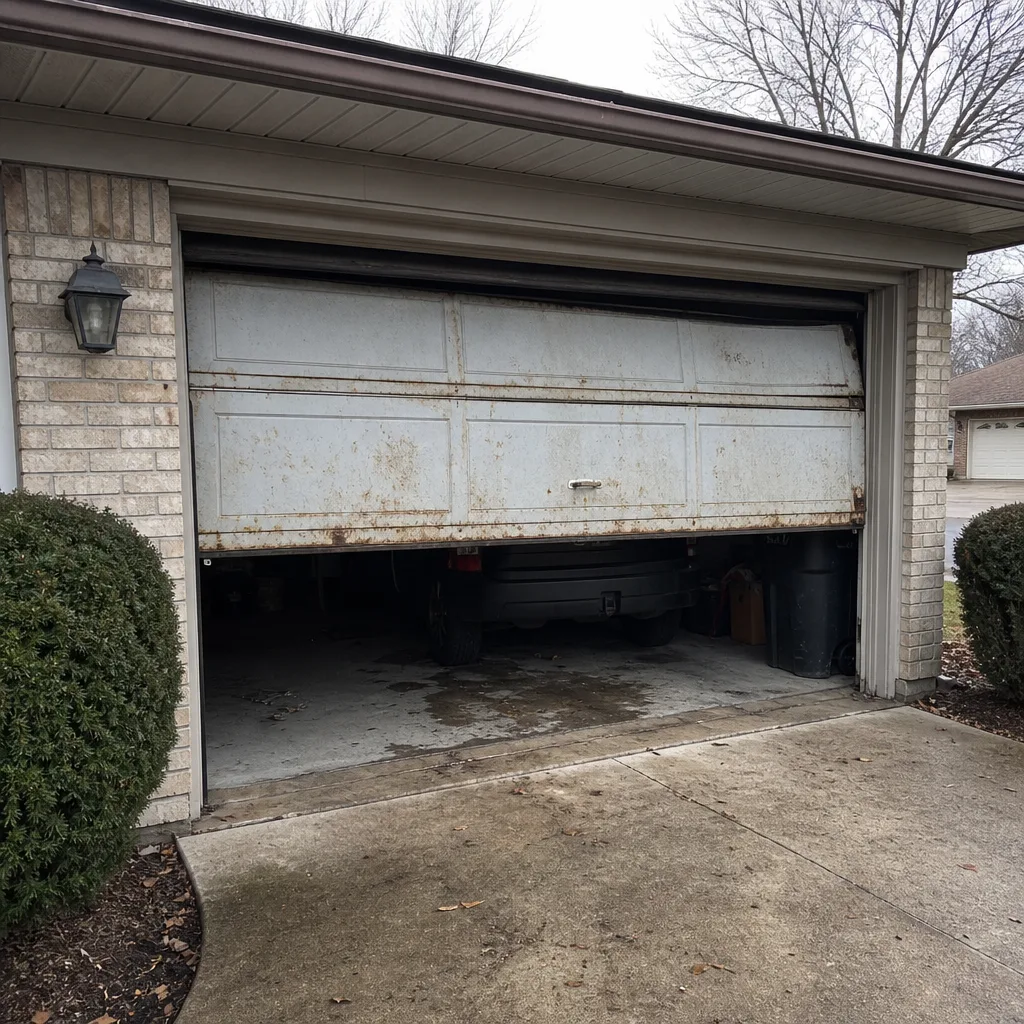 Before
 After
 Before
 After
When to Call a Professional
If your garage door replacement touches the opening, the header, or the framing, you’re in permit territory, and that’s not a job to hand off to a general handyman. The work itself has to pass inspection, the safety features have to be in code, and the permit closeout has to be handled correctly to protect the property record. Beyond that, there are moments in every garage door’s life where a trained eye saves both time and money: an opener that reverses in the wrong direction, a door that binds near the top of its travel, springs that are overdue, a retrofit that needs to integrate with the home’s system. Springs and cables under tension are genuinely dangerous to work on, so leave that work to a trained professional.
Ironwood Garage Door Repair offers free estimates in Indianapolis, and we handle the permit questions as part of the conversation. We work on your brand across the full system, from the spring to the smart opener, including LiftMaster, Genie, Clopay, Amarr, Wayne Dalton, Craftsman, Chamberlain, and Raynor. Garage doors are all we do, so a door replacement on our plate is diagnosed correctly the first time, inspected cleanly, and built to last. Call (844) 834-1874. We answer 24/7. Fast dispatch from 7am to 7pm, Sunday through Friday.
Frequently Asked Questions
It depends on whether the opening, header, or framing changes. A straight replacement into an unchanged opening may or may not require one, so ask the city’s building department with your specific scope. Any change to the opening or structure almost always requires a permit. Call (844) 834-1874 for a free estimate and we’ll walk through the scope with you.
No. Spring, roller, cable, opener, and single-panel replacements are repair work and generally do not require a permit in Indianapolis. That said, springs and cables are under high tension and are dangerous to handle without the right tools and training. Call (844) 834-1874 to schedule a repair estimate.
Nothing immediate, but the property record ends up showing the door as unpermitted work, and that can surface years later during a title search or home inspection. The buyer’s inspector can flag a replacement that doesn’t match the property record, which can delay or complicate a sale. The fix is a retroactive permit through the building department. Call (844) 834-1874 to talk through your options before a sale.
The cost depends on the specific fee schedule and the scope of the work, and corrections required by the inspector can add to that. The building department can quote the permit fee for your address. Any door work the corrections require is quoted separately by a written estimate before work starts. Call (844) 834-1874 for a free estimate on the door side.
It can, if the garage shares conditioned space with the home. Indiana has adopted versions of the IECC, and the specific edition in force determines the insulation requirement for the door. Ask the building department for the applicable requirement for your project before you order a door. Call (844) 834-1874 and we’ll help you match the right door to the requirement.
Yes, on a permitted replacement, the inspector typically checks the safety reversal and photo-eye sensors on the opener. Those features are a code requirement. Opener diagnostics and repair are part of our scope, so a door that passes the door inspection but fails the opener check isn’t a problem we leave sitting. Call (844) 834-1874 to schedule.
The Bottom Line
The permit question on garage door work comes down to one line: repair generally doesn’t need a permit in Indianapolis, replacement sometimes does, and any change to the opening, header, or framing almost certainly does. Pulling the permit, passing the inspection, and closing it out keeps the property record clean, which matters more than most homeowners realize until a sale is on the table. If you’ve inherited an unpermitted door, the retroactive path is routine and worth starting early. If you’re about to replace a door, confirm the permit requirement with the city’s building department before the work begins, and get the estimate in writing before any work starts so the price is agreed in advance. Ironwood Garage Door Repair works on nothing but garage doors, which makes permit questions, inspection prep, and the door work itself one conversation instead of three.
Written by the team at Ironwood Garage Door Repair.