
Last updated November 15, 2026
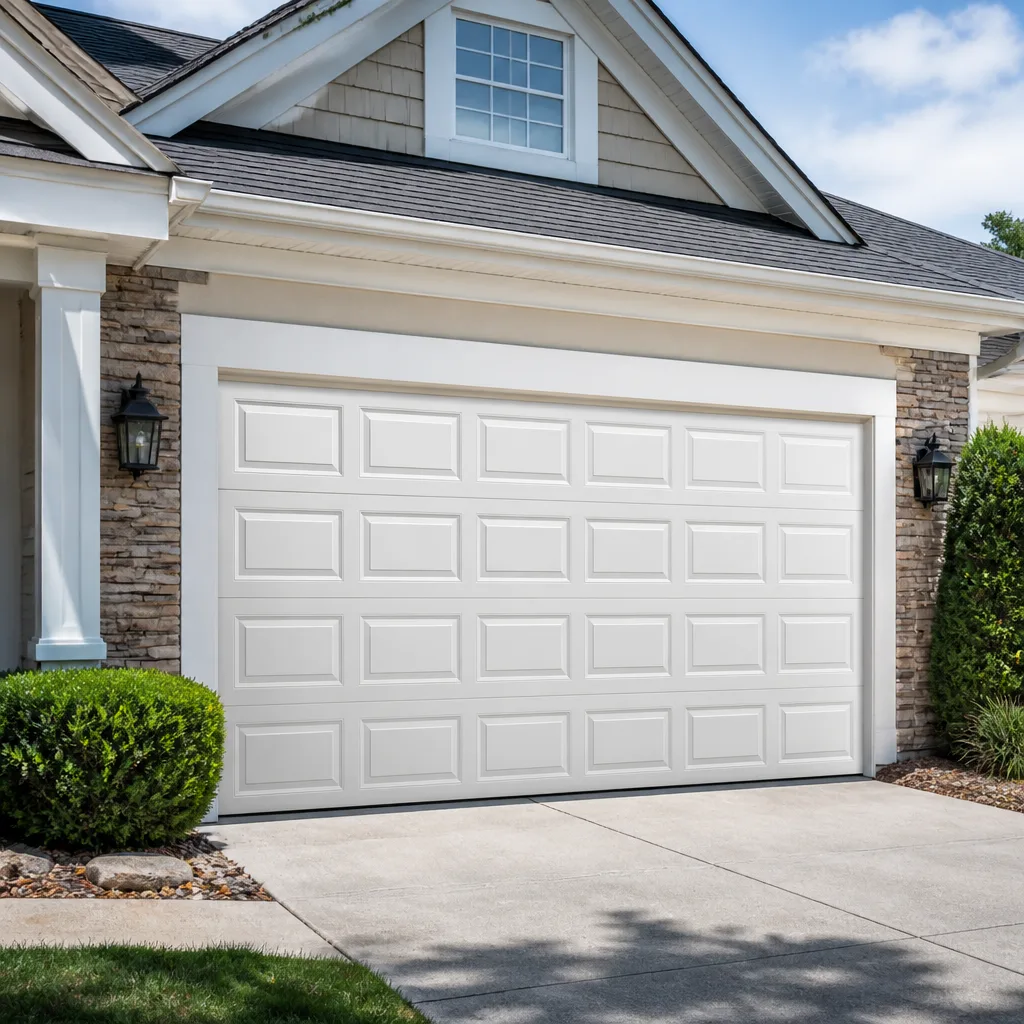 Raised-panel steel
 Carriage house
 Modern flush
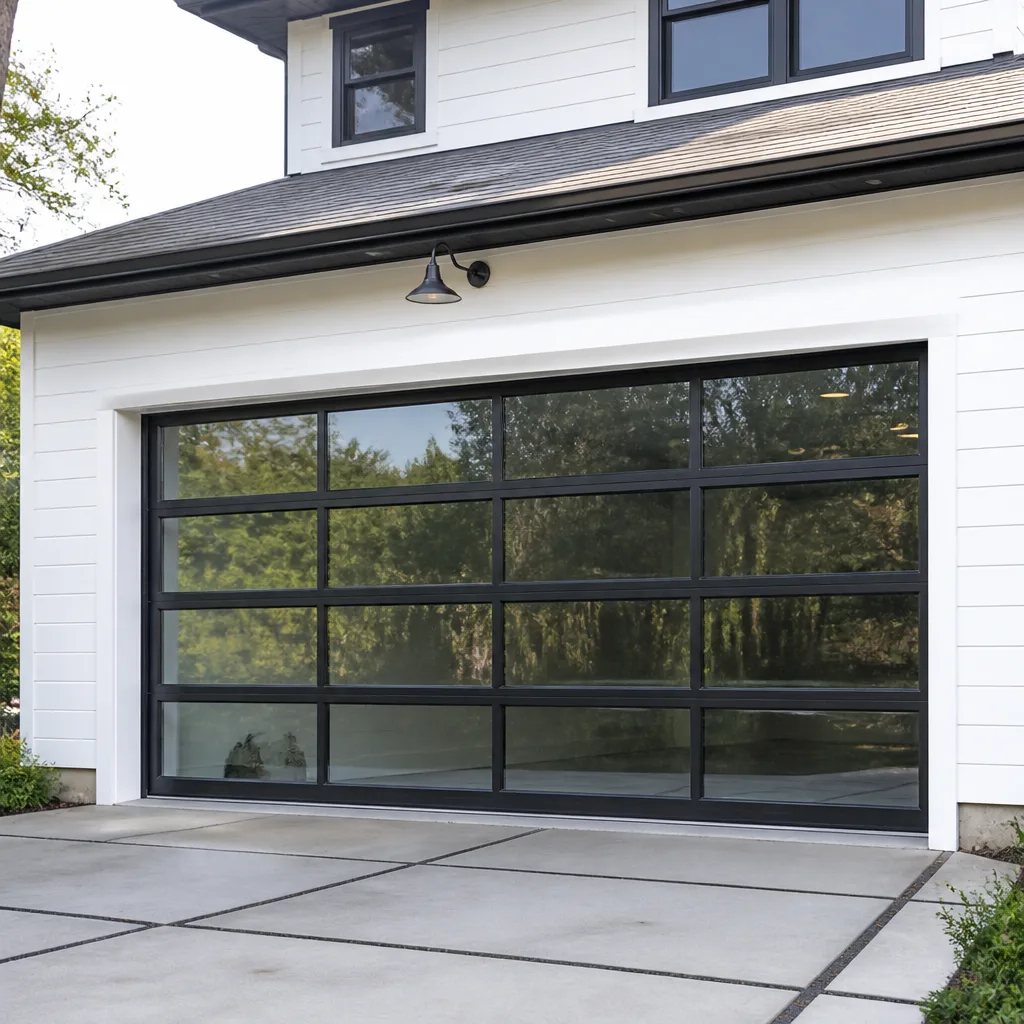 Full-view glass
 LiftMaster openers
 Chamberlain openers
Full 25-point door and opener safety check with every visit - springs, cables, rollers, tracks, and your LiftMaster or Chamberlain opener included
You get a price before we start. It does not change when the pro arrives.
Get your free estimateGarage Door Repair Maintenance Checklist for Indianapolis Homeowners
If your maintenance checklist doesn’t mention February or July by name, it wasn’t written for Indianapolis. Most garage door advice gets recycled from national blogs that treat every season the same, and that generic approach is how a small seal problem turns into a much bigger spring repair. A garage door in this city faces a first hard freeze that stiffens grease, a spring thaw that shifts the concrete under the bottom seal, and summer attic-level heat that cooks openers mounted near unconditioned space. This guide walks through a month-by-month maintenance calendar built around those exact conditions. You’ll learn what to check, when to check it, and how to tell a do-it-now item from a watch-it item so you’re not paying for a service call you didn’t need.
Quick Answer
A garage door maintenance checklist for Indianapolis should be organized around the local climate calendar, not arbitrary quarters: lubricate and seal-check before the first hard freeze, inspect tracks and concrete after the spring thaw, and test opener performance and balance before peak summer heat. The highest-value tasks are bottom seal inspection, hinge and roller lubrication with the right cold-weather product, and a monthly balance and safety-reverse test. Most of this takes under twenty minutes per check and prevents the failures that lead to expensive repairs.
Styles & brands we work with
- Raised-panel steel
- Carriage house
- Modern flush
- Full-view glass
- LiftMaster openers
- Chamberlain openers
Table of Contents
- Why Generic Checklists Fail in Indianapolis
- The Fall Freeze-Prep Window (October-November)
- Winter: The Deep Freeze Months (December-February)
- Spring Thaw: Concrete, Tracks, and Seals (March-April)
- Summer Heat and Opener Stress (May-August)
- The Winter Lubrication Mistake Most Homeowners Make
- How to Test Bottom Seal Compression Without Tools
- Do It Now vs. Watch It: Sorting Your List
Why Generic Checklists Fail in Indianapolis
Indianapolis sits in a climate band that runs from hard freezes in winter to humid, sticky summers, sometimes within the same season. A garage door is a mechanical system of steel, springs, rubber, and grease, and every one of those materials responds to temperature. Cold makes steel contract and grease thicken. Heat makes springs lose tension and rubber seals soften and compress. Humidity drives moisture into concrete and into the joints around your door’s bottom seal.
A quarterly reminder to “check your door” ignores all of it. What actually matters is timing. A lubrication task in October with the wrong product does more harm than good by February. A seal check in April catches the damage the freeze-thaw cycle did; the same check in November misses it entirely.
This is also why the approach that works for a Genie opener in a milder climate doesn’t hold up the same way here. Opener motors, chain drives, and belt drives in Indianapolis attached garages spend part of the year pushing against a colder, stiffer door and part of the year running in heat. Your maintenance calendar has to account for both. When we talk about brand familiarity at Ironwood Garage Door Repair, it’s grounded in this kind of system-level thinking: the door, the springs, the tracks, and the opener all interact, and each responds to Indianapolis weather on its own schedule.
The Fall Freeze-Prep Window (October-November)
The six weeks before the first hard freeze are the most important maintenance window of the year in Indiana. Cold-hardening is the goal: get every moving part into a state that survives a sub-freezing night without seizing up. In our experience, most winter failure calls trace back to a fall that slipped by without a few minutes of prep.
Work through this list before the first sustained cold snap:
- Lubricate with cold-rated grease. Use a product designed for garage door use, not a general-purpose grease that thickens below 20°F. We’ll cover this in detail further down.
- Test the bottom seal against the floor. Run the flush test described later. Any crack where light or cold air gets through signals a seal that needs attention before freeze weather.
- Tighten the track fasteners. Loose lag bolts are easy to catch in mild weather. In freezing temperatures, a track that’s already vibrating will rattle more.
- Check hinges for play. A hinge with a worn pin in October will rattle loudly by December. Replace any hinge that feels loose or shows rust at the pin.
- Inspect weatherstripping around the frame. The side and top seals are what keep cold air and moisture out of the garage.
If any part of that check reveals a failing spring, that’s the exception to the “watch it” rule. A spring that’s lost tension in October doesn’t become safer in January snow. Call it in. This is the moment for a real garage door repair conversation rather than a wait-and-see.
Winter: The Deep Freeze Months (December-February)
Winter is when Indianapolis garage doors earn their keep and when small problems reveal themselves. The job in December through February is simple: listen, watch, and don’t make things worse.
Here’s what to monitor through the cold months:
- Noise. A sudden groan, a grinding sound, or a thumping on one side of the door suggests a failing roller, a binding track, or a cable problem. Note it and watch for a pattern over several cycles.
- Uneven movement. If the door rises or lowers at an angle, a spring is likely unbalanced. Don’t force it through repeated cycles.
- Opener strain. An opener that runs longer or sounds louder than usual in the cold is working against a stiff door. That’s a symptom worth investigating.
- Ice and snow buildup at the bottom seal. Clear it away so the door doesn’t close on hard-packed ice or force the seal to compress unevenly.
One thing you should not do in winter is apply a thick, general-purpose grease to the track. The viscosity question matters enough that it has its own section later. For now: cold-rated lubricant only, lightly applied.
If you have a Raynor or Wayne Dalton opener mounted near a garage ceiling with little insulation above it, expect the motor itself to run hotter in summer and colder in winter than a well-insulated unit. That’s less a winter hazard and more a reason to do the summer inspection outlined further down.
Spring Thaw: Concrete, Tracks, and Seals (March-April)
The spring thaw is the season of discovery. Indianapolis concrete goes through repeated freeze-thaw cycles from late winter into early spring, and your garage floor is part of that. The slab shifts, heaves, and settles, and the bottom seal absorbs all of it.
This is the moment to check exactly that.
The flush test: open the door fully, then slowly lower it until it’s about an inch from the floor. Look at the gap between the bottom seal and the concrete. If you can see daylight anywhere along the length of the door, the seal isn’t compressing correctly. Lower the door fully, then watch what the rubber does at the corners and along any crack in the concrete. It should flatten evenly and stay flat. If one section lifts, or if a crack runs under the seal and the rubber doesn’t fill it, that’s a seal that needs replacing or a slab that needs a different kind of correction.
Also check in spring:
- Track alignment. Freeze and thaw can move the slab and slightly shift how the door sits in the track. Look for a gap between track and door on one side only.
- Rust and moisture at the hinge plates. Rust blooms are a sign of moisture ingress. Check the lower hinges most closely since they’re closest to the concrete.
- Cable and spring condition. Lift the door manually (with the opener disconnected) about halfway and let it rest. It should hold. If it drifts down, the spring has lost tension over winter.
If the balance test fails, don’t run the door through repeated cycles while you think about it. Book a professional check. Spring work involves high-tension parts that are genuinely dangerous to handle. The details below explain why.
Summer Heat and Opener Stress (May-August)
Indianapolis summers can push an attached garage into the 90s or higher, and many garages have a section near the roofline that functions as unconditioned space. If your opener hangs from that ceiling area, the motor and control board are running in heat all summer.
What to check in the summer months:
- Gap between door and opener arm. Heat causes parts to expand. If the opener arm looks strained at full open or full close, there may be a limit adjustment issue.
- Safety reverse test. With the door descending, place a small object in its path (a roll of paper towels works). The door should reverse immediately on contact. Repeat monthly.
- Photo-eye alignment. The small sensors on either side of the opening should have their lights solid (not blinking). Blinking means a misaligned beam or a dirty lens. Wipe them and realign until both lights are steady.
- Motor heat and duty cycle. If your opener runs noticeably hot after several open-close cycles on a hot day, let it rest between cycles. A Clopay or Amarr door with a properly balanced spring system puts less load on the opener, which helps here.
- Panel condition. Heat and humidity can stress the paint and seals on steel panels. Look at the seams for bubbling or cracking and touch up if needed.
If the opener itself is failing, that’s a separate service call from door repair. Garage door opener repair covers motor, board, and drive system issues that a door tune-up won’t address.
The Winter Lubrication Mistake Most Homeowners Make
Using the wrong grease in fall is the single most common cold-weather mistake we see on Indianapolis doors. The default product in most garages is an all-purpose grease or a heavy motor oil that works fine in summer but stiffens below 20°F. When it stiffens, it stops lubricating. Even worse, it can turn into a tacky substance that collects grit, which wears rollers and hinges at an accelerated rate.
What to use instead: a cold-rated garage door lubricant, typically a white lithium or silicone-based product rated for low temperatures. Apply it sparingly to hinges, rollers, and the torsion spring coils. Do not lubricate the tracks. Tracks need to be clean and dry so rollers can roll freely rather than sliding.
The winter-specific lubrication points:
- Hinge pins and roller stems. A light spray of cold-rated lubricant at each hinge point and each roller stem.
- Spring coils. A light application on torsion springs (not extension springs) reduces coil friction and quiets the door considerably.
- Do not over-lubricate. More grease isn’t better. Excess attracts dirt and causes a paste that worsens in cold temperatures.
This one detail is enough to prevent a high percentage of cold-weather noise complaints, and it’s why the fall window matters.
How to Test Bottom Seal Compression Without Tools
The bottom seal is the rubber strip along the bottom of the door. It’s the first line of defense against drafts, moisture, and small pests, and it’s the part that wears out fastest in a freeze-thaw climate. You can test it with nothing but your hands and eyes.
- Close the door and walk to the inside. Look at the junction where the bottom seal meets the floor along the full width of the door.
- Look for light. A gap anywhere along that line means the seal isn’t making contact. Small gaps at the middle are common when the slab is crowned. Gaps at the ends can mean a track issue.
- Slide a sheet of paper under the seal. At several points along the width, try to slide a piece of paper under the seal. If it slides out easily, the seal is not compressing hard enough to do its job.
- Press the rubber by hand. It should feel firm and spring back, not crumbly or flattened. A hard, cracked, or flattened rubber strip has lost its ability to seal.
- Check for concrete cracks. Cracks and heaves in the concrete under the seal create gaps the rubber can’t reach. A seal replacement can help; in a severe heave, a floor-level correction or a threshold product may be the right move.
Replacing a damaged seal is a low-cost job. It’s the repair that prevents bigger problems by keeping moisture out of the door’s gap during spring thaw cycles.
Do It Now vs. Watch It: Sorting Your List
The hardest call in garage door maintenance is knowing when something needs attention today versus when it can wait. Here’s how we sort it.
Do it now (stop using the door and call):
- A visible break or gap in a torsion spring or extension spring.
- A cable that’s come off its drum or looks frayed or slack.
- A door that won’t stay in position when lifted halfway and released (spring failure).
- A door that moves at a significant angle or sits crookedly in the track.
- Anything that reveals broken hardware at a hinge or roller assembly, or a bent track.
Watch it (note it, monitor, address within the next maintenance window):
- Mild noise that comes and goes with weather changes.
- Rust spots on hinges that haven’t affected function.
- Slight unevenness at the bottom seal at one corner that hasn’t worsened.
- Opener sensitivity that occasionally needs adjustment.
- Cosmetic panel damage to a Wayne Dalton or similar steel door without structural effect.
The distinction is functional. If something is breaking, failing, or dangerous, it’s a do-it-now. If it’s a symptom that could worsen over the next season, put it on the watch list. In our experience, most homeowners who call unnecessarily are dealing with watch-list items. But the calling threshold is genuinely low on spring and cable issues: a broken torsion spring is a high-tension component under tremendous load, and attempting a DIY fix is where many serious injuries occur. A trained technician has the winding bars, the tension knowledge, and the insurance backing to do it safely. Call the professional.
Common Mistakes to Avoid
- Using summer-grade grease in fall. The most common mistake in Indianapolis garages. General-purpose grease stiffens below 20°F and turns tacky. Use cold-rated garage door lubricant.
- Lubricating the tracks. Tracks need to be clean and dry. Grease on the tracks makes rollers slide instead of roll, and sliding rollers wear fast and damage the tracks.
- Skipping the spring thaw inspection. Indianapolis concrete shifts in March and April. If you don’t check the seal after the thaw, you won’t see the gap until next winter.
- Testing the safety reverse only once a year. That’s an annual test in most checklists; it needs to be monthly, since the photo-eyes and limit settings can drift over summer heat.
- Assuming a single service call fixed everything. We’ve seen repairs that get the door moving again but leave a worn seal or a slightly bent track that fails again within weeks. A proper inspection after any repair, including on a name-brand Genie opener, catches the second issue before it becomes another call.
- Trying DIY spring repairs. This is the most serious mistake and the one we can’t warn about strongly enough. Springs are under extreme tension. A slipped winding bar or a suddenly released spring causes serious injury. That’s not a job to do at home.
- Ignoring the impact of unusually hot, dry summers. Indianapolis summers can dry out and crack bottom seals and stiffen older springs. Seasonal checks don’t stop when summer ends.
See the difference
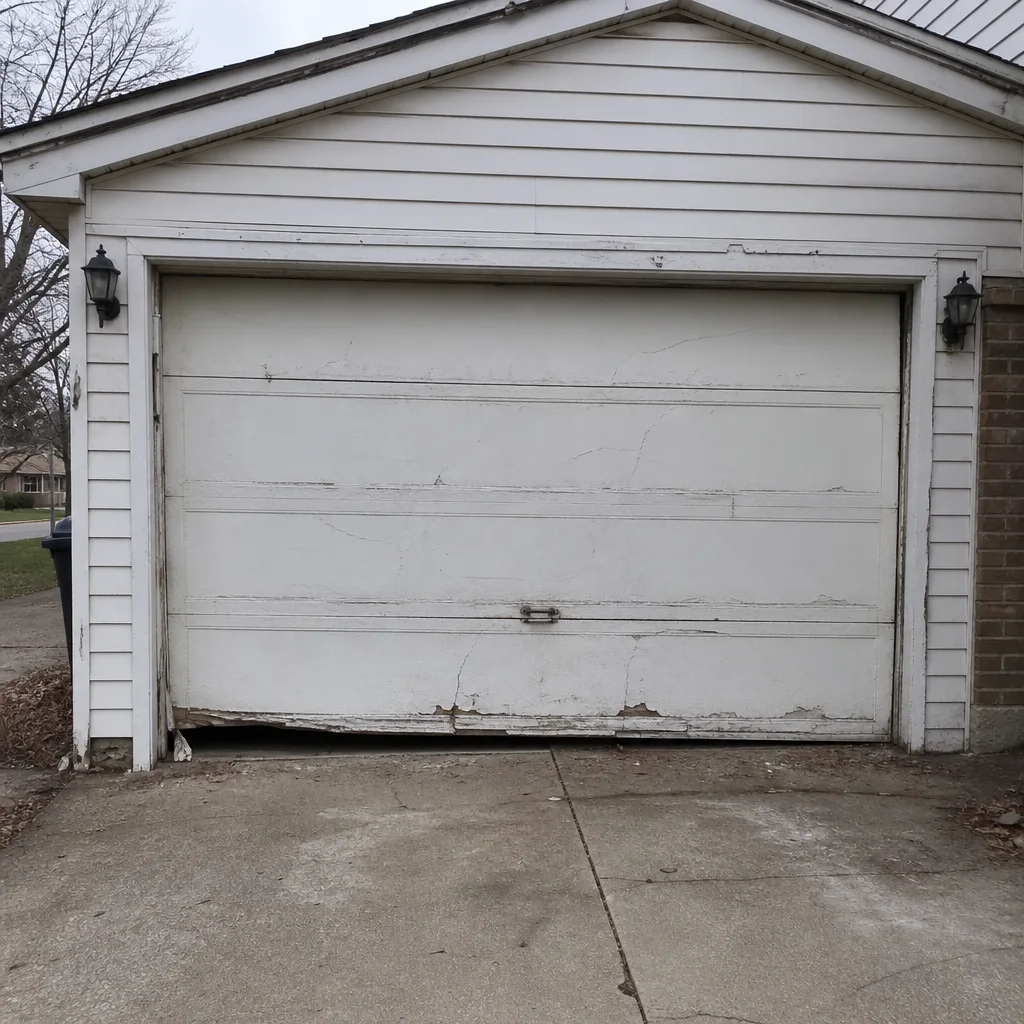 Before
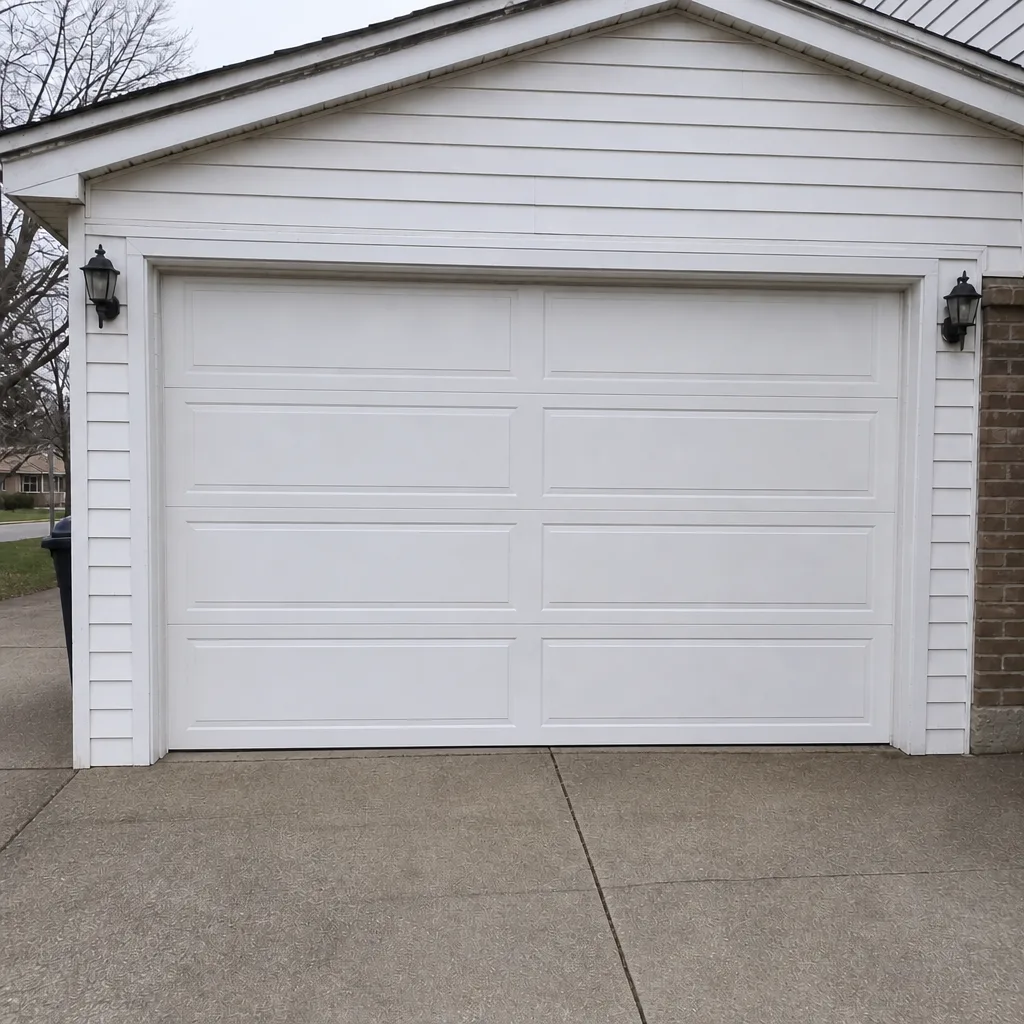 After
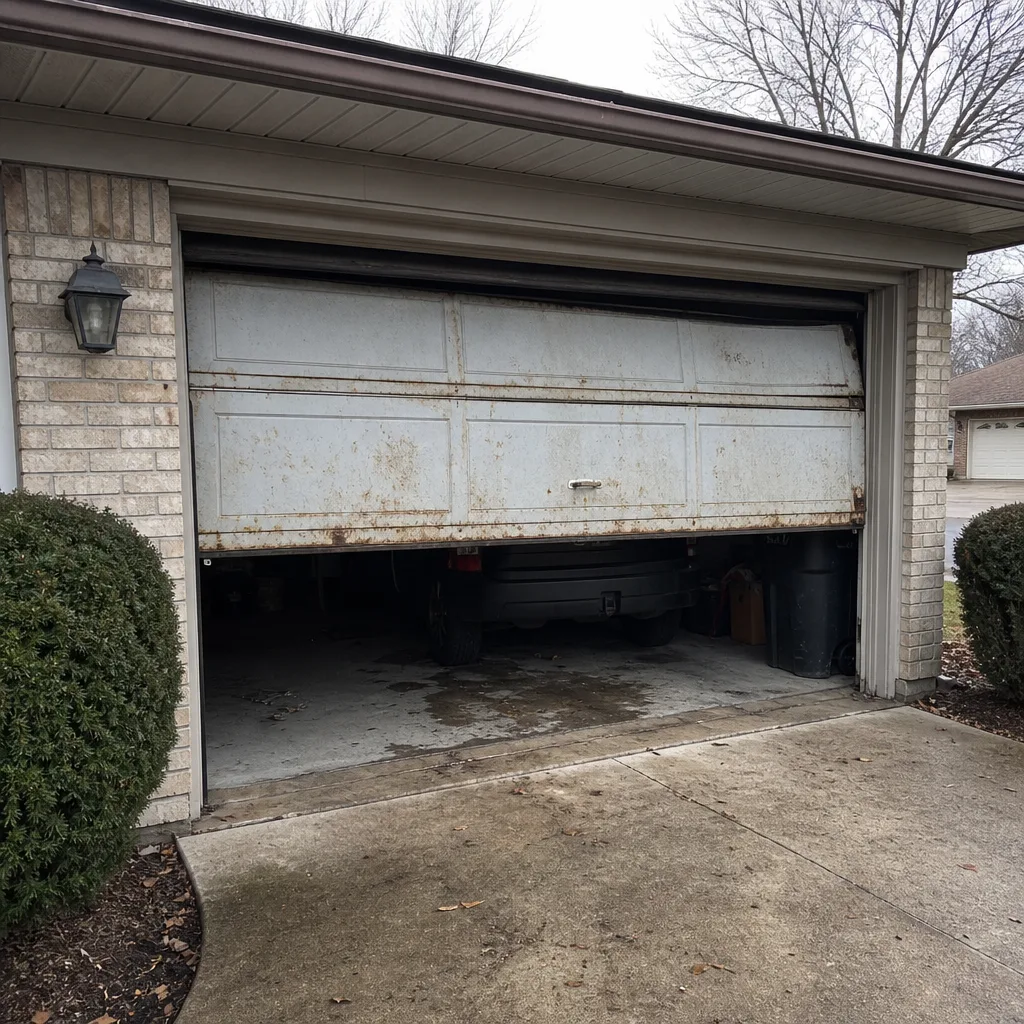 Before
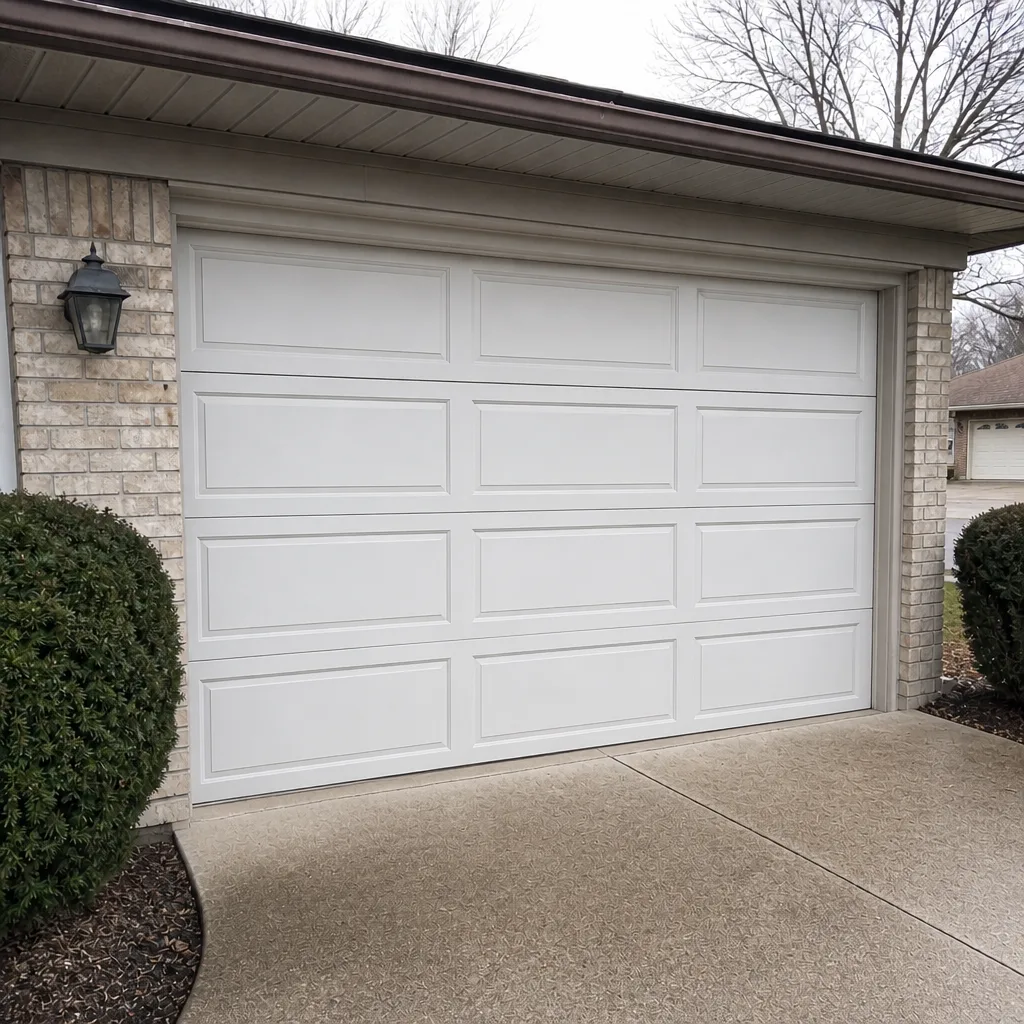 After
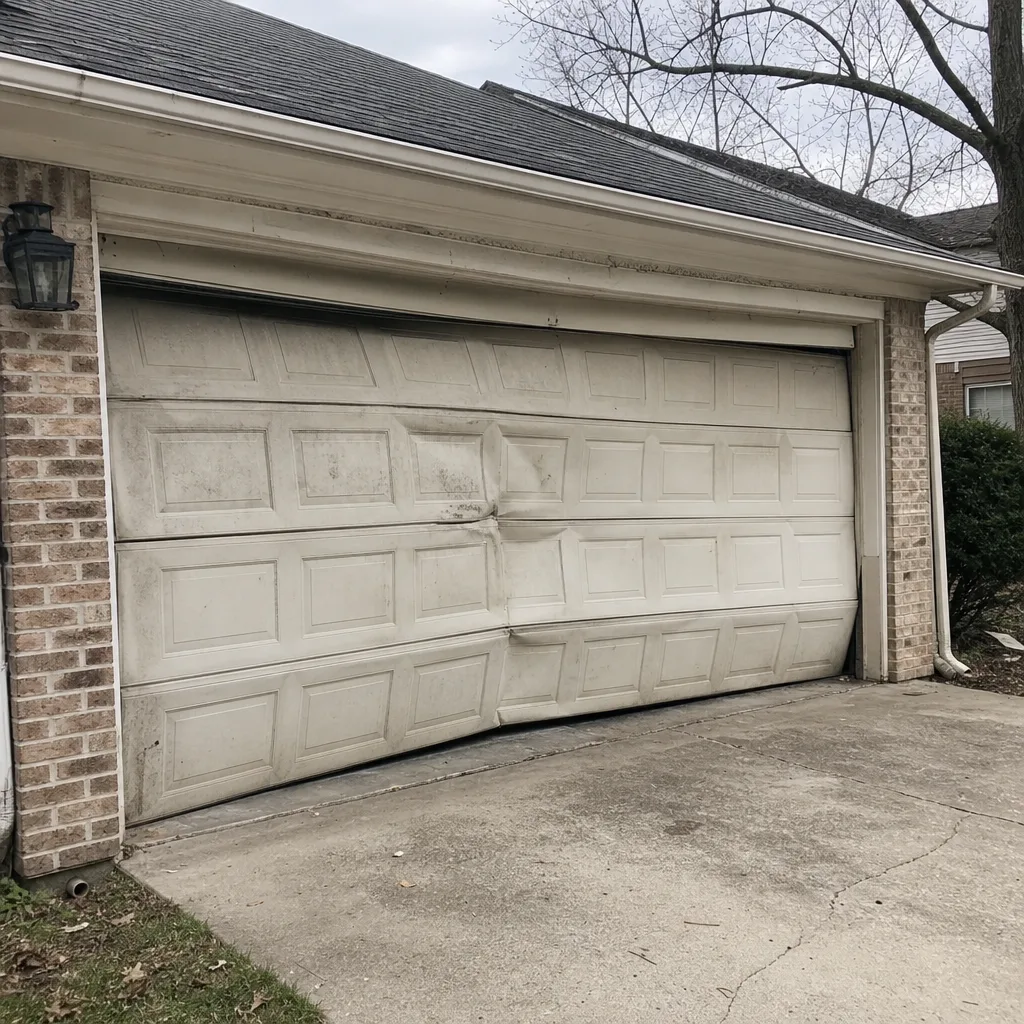 Before
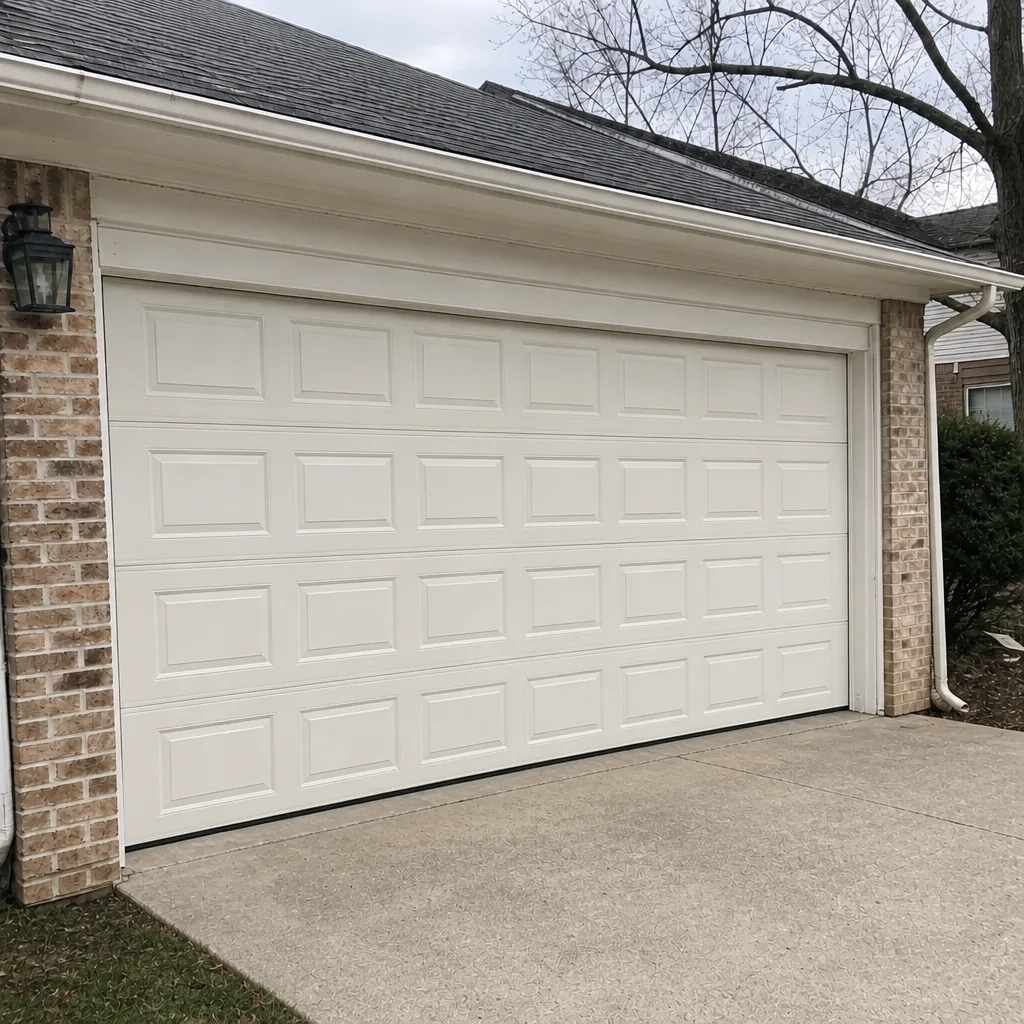 After
When to Call a Professional
Call us when any of the following is true: a spring has visibly broken; a cable is off the drum, frayed, or slack; the door lifts crooked or won’t stay open when tested manually; a track is bent or dented; the door closes unevenly or fails the safety reverse test after you’ve checked the photo-eyes; or the opener motor runs but the door doesn’t move. If you’re uncomfortable testing any of these, that itself is a reason to have a technician look at the door. Ironwood Garage Door Repair offers free estimates across Indianapolis; call (844) 834-1874. We answer 24/7. Fast dispatch from 7am to 7pm, Sunday through Friday. The written estimate sets your price before any work begins, so you’ll know the cost before we start.
Frequently Asked Questions
A full inspection at least twice a year: once in the fall freeze-prep window (October-November) and once in the spring thaw window (March-April), plus a quick monthly safety-reverse and balance test. The fall and spring inspections are timed to the specific local climate stresses, so those two windows matter more than any generic quarterly schedule.
Lubricate hinges, rollers, and torsion spring coils with cold-rated garage door grease, test the bottom seal for compression, tighten track fasteners, and check hinges and rollers for wear. This is the critical window because the wrong lubricant, or a seal that’s already failing, causes problems that only show up when the first freeze hits.
No. Torsion and extension springs are under extreme tension, and if they release unexpectedly they cause serious injuries. Any spring or cable work should be done by a trained technician with the right tools. Everything else on the checklist – lubrication, seal testing, track tightening, and opener checks – is safe for a homeowner to do.
Any of the following means stop using the door and call: a visible spring break, a frayed or slack cable, a door that won’t stay open when lifted halfway, a door that closes crooked, or a door that moves at an angle. A single strange noise or a light rust spot on a hinge is usually a watch-list item rather than an emergency.
Use a cold-rated garage door lubricant, typically white lithium or silicone-based, not general-purpose grease. General grease thickens below 20°F and stops lubricating. Apply it lightly to hinges, roller stems, and torsion spring coils. Do not use it on the tracks; tracks should stay clean and dry.
Yes. Monthly safety-reverse testing, photo-eye cleaning, and limit adjustment are opener tasks, while lubrication and seal checks are door tasks. If the opener itself shows a motor issue, board fault, or drive malfunction, that’s a separate service from door maintenance. We handle both the mechanical door and the opener, including familiarity with LiftMaster and Chamberlain units, so there’s no handoff to another trade.
The Bottom Line
A garage door maintenance checklist for Indianapolis only works if it follows the local weather calendar: freeze-prep in October and November, monitoring through the deep cold, a thorough post-thaw inspection in March and April, and heat-stress checks on the opener before summer. The highest-value tasks are simple – the right cold-weather lubricant, a bottom-seal compression test, and a monthly safety-reverse check – and the biggest mistake is skipping them. Save the do-it-yourself work for the watch-list items. Anything involving a spring, cable, or track movement belongs to a professional.
If any item on this checklist has you wondering whether it’s a do-it-now or a watch-it, call Ironwood Garage Door Repair at (844) 834-1874 for a free estimate. We answer 24/7. Fast dispatch from 7am to 7pm, Sunday through Friday. Our technicians have up to 9 years of experience, and garage doors are all we do. We can walk you through the repair options, give you a clear written price before any work begins, and make sure the fix holds through the next Indianapolis freeze.
Written by the team at Ironwood Garage Door Repair.